


Hey there! As a supplier of sewage trucks, I've seen a whole lot of people scratching their heads when it comes to picking the right one. It's not an easy decision, that's for sure. There are so many factors to consider, and it can feel like you're navigating through a maze. But don't worry, I'm here to break it down for you and make this process a whole lot easier.
First off, let's talk about capacity. This is a biggie. The capacity of a sewage truck determines how much waste it can hold at one time. You need to think about the volume of sewage you'll be dealing with on a regular basis. If you're working in a small, residential area, a smaller capacity truck might do the trick. Maybe something in the range of 1,000 to 2,000 gallons. These trucks are more maneuverable and can easily get into tight spaces.
On the other hand, if you're handling large commercial sites or industrial areas, you'll want a truck with a much larger capacity. We're talking 3,000 gallons or more. These beasts can handle a ton of waste, which means fewer trips back and forth to the disposal site. But keep in mind, larger trucks are also bigger and heavier, so they might not be as easy to drive around narrow streets or in congested areas.
Another important factor is the type of vacuum system. There are two main types: positive displacement blowers and liquid ring pumps. Positive displacement blowers are great because they're reliable and can handle a wide range of materials. They work by trapping air or gas in a chamber and then forcing it out. This creates a strong vacuum that can suck up thick sludge and other debris.
Liquid ring pumps, on the other hand, use a liquid (usually water) to create a seal and generate the vacuum. They're known for their high efficiency and ability to handle wet and dry materials. However, they do require a constant supply of liquid, so you need to make sure you have a way to refill it.
When it comes to the body of the sewage truck, you have a few options. Stainless steel is a popular choice because it's durable and resistant to corrosion. It can withstand the harsh chemicals and substances found in sewage. Aluminum is another option. It's lighter than stainless steel, which means better fuel efficiency. But it might not be as strong or long - lasting as stainless steel.
Now, let's talk about the features and accessories. Some sewage trucks come with additional features that can make your job a whole lot easier. For example, a hydraulic lift system can make it easier to empty the tank. You don't have to rely on gravity alone, which can save you a lot of time and effort.
A high - pressure water system is also a great addition. It can be used to clean the inside of the tank after each use, preventing the build - up of debris and bacteria. And if you're dealing with tough clogs, a jetting system can come in handy. It uses high - pressure water to break up the blockages and clear the pipes.
Of course, you also need to think about the brand and reputation of the manufacturer. You want to buy from a company that has a good track record of producing reliable and high - quality trucks. Do some research, read reviews, and talk to other people in the industry. Find out which brands are known for their durability, performance, and customer service.
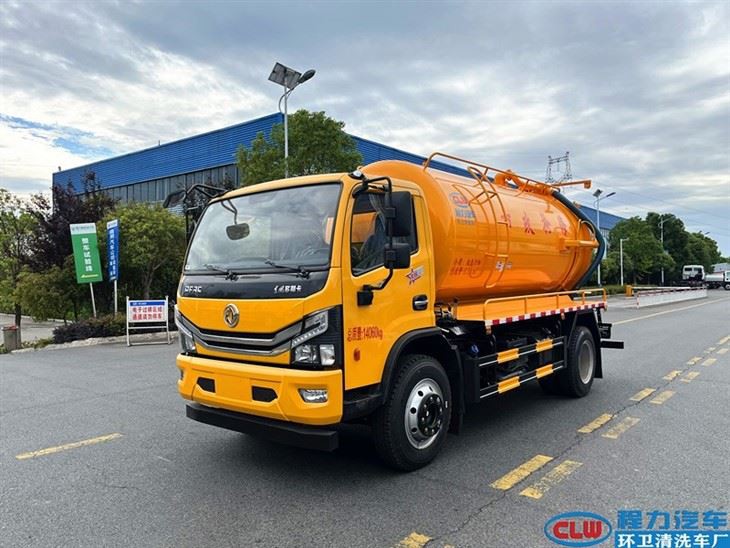
One option you might want to check out is the Sewage Vacuum Truck. It's a great truck with a lot of features that make it a top choice for many customers. It has a powerful vacuum system, a durable tank, and a range of accessories that can make your job more efficient.
Price is always a consideration, too. But remember, the cheapest option isn't always the best. You need to balance the cost with the quality and features of the truck. A more expensive truck might have better performance, longer lifespan, and more advanced features, which can save you money in the long run.
You also need to think about maintenance and support. A good sewage truck should be easy to maintain. Look for trucks that have accessible parts and a simple design. And make sure the manufacturer offers good support, including technical assistance and readily available replacement parts.
Once you've narrowed down your options, it's a good idea to take a test drive. This will give you a feel for how the truck handles on the road and how easy it is to operate. You can also see how the controls work and if the cab is comfortable for long hours of driving.
In conclusion, choosing the right sewage truck is a big decision. You need to consider factors like capacity, vacuum system, body material, features, brand, price, maintenance, and support. By taking the time to do your research and evaluate your options, you can find a truck that meets your needs and helps you get the job done efficiently.
If you're in the market for a sewage truck and have any questions or want to learn more about our products, don't hesitate to reach out. We're here to help you make the right choice and get the best value for your money. Let's start a conversation and see how we can work together to find the perfect sewage truck for you.
References

- Industry knowledge and experience as a sewage truck supplier.
- Conversations with customers and industry professionals.
- Research on sewage truck technology and market trends.


