


When it comes to the transportation of Liquefied Petroleum Gas (LPG), LPG tanker trucks play a pivotal role. As a supplier of LPG tanker trucks, I've witnessed firsthand the importance of conducting a thorough cost - benefit analysis for potential buyers. This analysis can help businesses make informed decisions about whether investing in an LPG tanker truck is the right move for them.
Initial Investment Costs
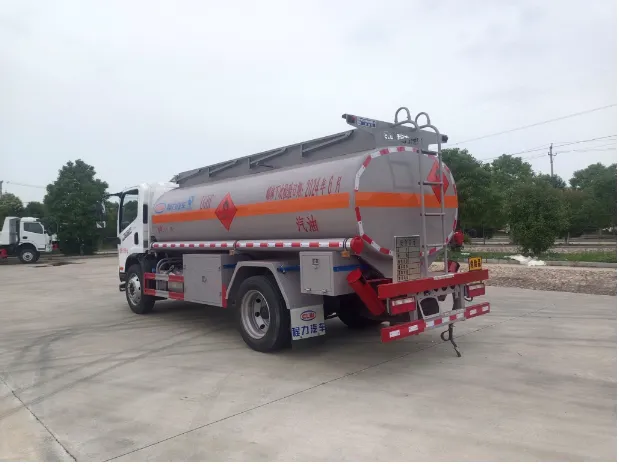
The first significant aspect of the cost - benefit analysis is the initial investment. LPG tanker trucks come in various sizes and configurations, each with its own price tag. For instance, our 9.8 Cubic Meter Tank Truck offers a reasonable capacity for smaller - scale operations. The cost of such a truck includes not only the purchase price but also additional expenses such as taxes, registration fees, and delivery charges.
Larger capacity trucks, like the Dongfeng Furika 9.9 Cubic Meter Tank Truck and the Dongfeng Jincheng 13.4 Cubic Oil Tanker, are generally more expensive. However, they may be more suitable for businesses with high - volume LPG transportation needs. The initial investment also needs to account for any specialized equipment required, such as loading and unloading systems, safety devices, and monitoring equipment.
Operational Costs
Operational costs are another crucial factor in the cost - benefit analysis. Fuel is one of the most significant ongoing expenses. The fuel efficiency of an LPG tanker truck depends on several factors, including the engine type, truck weight, and driving conditions. Regular maintenance is also essential to keep the truck in good working condition. This includes oil changes, tire rotations, brake inspections, and tank inspections. Maintenance costs can vary depending on the age and usage of the truck.
Insurance is another operational cost that cannot be overlooked. LPG tanker trucks carry a high - risk cargo, so insurance premiums are typically higher compared to regular trucks. Additionally, there are costs associated with driver wages, training, and licensing. Drivers of LPG tanker trucks need to have specialized training to handle the cargo safely, which adds to the overall operational costs.

Benefits of Owning an LPG Tanker Truck
Despite the significant costs, there are numerous benefits to owning an LPG tanker truck. One of the primary benefits is the ability to have direct control over the transportation of LPG. This means that businesses can schedule deliveries according to their own needs, rather than relying on third - party carriers. This can lead to more efficient operations and potentially lower costs in the long run.
Owning an LPG tanker truck also provides a competitive advantage. Businesses can offer faster and more reliable delivery services to their customers, which can help attract and retain clients. Moreover, having an in - house transportation fleet can enhance the company's brand image, as it demonstrates a commitment to quality and service.
Another benefit is the potential for cost savings in the long term. If a business has a high volume of LPG transportation needs, owning a tanker truck can be more cost - effective than outsourcing transportation. Over time, the initial investment and operational costs can be offset by the savings from not having to pay third - party carriers.
Revenue Generation
LPG tanker trucks can also be a source of revenue. In addition to using the truck for in - house transportation, businesses can lease or rent out the truck to other companies when it is not in use. This can provide an additional stream of income and help offset the costs of ownership.
Moreover, by having a reliable transportation fleet, businesses can expand their market reach. They can offer LPG delivery services to more customers in different locations, which can lead to increased sales and revenue.
Risk Assessment
When conducting a cost - benefit analysis, it's important to consider the risks associated with owning an LPG tanker truck. The transportation of LPG is a high - risk activity, and there is a potential for accidents, spills, and other safety incidents. These incidents can result in significant financial losses, including property damage, legal liabilities, and damage to the company's reputation.
To mitigate these risks, businesses need to invest in proper safety measures, such as regular safety training for drivers, installation of safety devices on the truck, and compliance with all relevant safety regulations. However, these safety measures also add to the overall costs.
Long - Term Considerations
In the long - term, the value of an LPG tanker truck may depreciate. The rate of depreciation depends on factors such as the make and model of the truck, its usage, and market conditions. When planning for the long - term, businesses need to consider the resale value of the truck. A well - maintained truck with a good reputation can have a higher resale value, which can help offset some of the initial investment.
Furthermore, technological advancements in the LPG transportation industry may render older trucks obsolete. Newer trucks may offer better fuel efficiency, safety features, and operational capabilities. Businesses need to factor in the potential need for future upgrades or replacements when conducting the cost - benefit analysis.
Conclusion
In conclusion, the cost - benefit analysis for an LPG tanker truck is a complex process that requires careful consideration of various factors. While there are significant costs associated with purchasing and operating an LPG tanker truck, there are also numerous benefits, including direct control over transportation, competitive advantage, revenue generation, and long - term cost savings.
If you're considering investing in an LPG tanker truck, I encourage you to conduct a detailed cost - benefit analysis based on your specific business needs. Our team of experts is here to assist you in making an informed decision. We can provide you with more information about our range of LPG tanker trucks, including the 9.8 Cubic Meter Tank Truck, Dongfeng Furika 9.9 Cubic Meter Tank Truck, and Dongfeng Jincheng 13.4 Cubic Oil Tanker. Contact us to start a discussion about your requirements and explore the best options for your business.
References
- "LPG Transportation Safety Guidelines", International LPG Association
- "Trucking Industry Cost Analysis Report", American Trucking Associations
- "Fuel Efficiency in Heavy - Duty Trucks", U.S. Department of Energy


