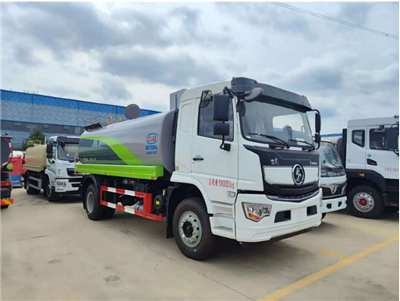
Hey there! As a supplier of flatbed wreckers, I've seen firsthand how important proper lubrication is for these workhorses. A well - lubricated flatbed wrecker not only runs smoothly but also has a longer lifespan, saving you a ton of money and headaches in the long run. So, let's dive into the lubrication requirements for a flatbed wrecker.


Engine Lubrication
The engine is the heart of the flatbed wrecker, and proper lubrication is crucial for its performance. The engine oil is responsible for reducing friction between moving parts, cooling the engine, and preventing wear and tear.
For a flatbed wrecker, you need to choose the right engine oil viscosity. Viscosity is a measure of the oil's resistance to flow. In colder climates, a lower - viscosity oil, like 5W - 30, is better because it flows more easily at low temperatures, ensuring quick lubrication when you start the engine. In warmer climates, a higher - viscosity oil, such as 10W - 40 or 20W - 50, might be more suitable as it maintains its thickness and lubricating properties under high - temperature conditions.
You also need to follow the manufacturer's recommendations for oil change intervals. Typically, for a flatbed wrecker that is used frequently for heavy - duty towing, oil changes might be required every 3,000 to 5,000 miles. However, if you use synthetic oil, the intervals can be extended to 7,500 to 10,000 miles.
Regularly checking the oil level is a must. You can do this using the dipstick. Make sure the engine is off and has cooled down a bit. Pull out the dipstick, wipe it clean, re - insert it fully, and then pull it out again to check the oil level. If it's below the minimum mark, add the appropriate oil.
Transmission Lubrication
The transmission of a flatbed wrecker is another critical component that needs proper lubrication. There are two main types of transmissions: manual and automatic.
For a manual transmission, the gear oil lubricates the gears and synchronizers, reducing friction and noise. The viscosity of the gear oil depends on the transmission design and the operating conditions. Some manual transmissions might require a 75W - 90 gear oil, while others could need a different grade. Just like with engine oil, follow the manufacturer's specs.
Automatic transmissions use transmission fluid. This fluid not only lubricates but also acts as a hydraulic medium to transfer power within the transmission. It needs to be changed at specific intervals, usually every 30,000 to 60,000 miles, depending on the vehicle and usage. Low transmission fluid can lead to rough shifting, overheating, and even transmission failure. You can check the transmission fluid level using a dipstick in some vehicles, or there might be a sight glass in others.
Differential Lubrication
The differential in a flatbed wrecker allows the wheels to rotate at different speeds while turning. It's subjected to high loads and needs proper lubrication. Differential oil is used to lubricate the gears in the differential.
The differential oil should have the right viscosity and additives to handle the extreme pressure and heat generated by the gears. A common viscosity for differential oil is 80W - 90 or 75W - 140. Similar to other lubrication points, the oil change interval for the differential is important. Usually, it's recommended to change the differential oil every 30,000 to 50,000 miles, but this can vary based on the vehicle and how it's used.
Steering System Lubrication
The steering system of a flatbed wrecker needs lubrication to ensure smooth and responsive steering. Power steering fluid is used in power - assisted steering systems.
The power steering fluid lubricates the steering pump, valves, and other components. Over time, the fluid can break down and lose its lubricating properties. You should check the power steering fluid level regularly, usually once a month. The level can be checked using a dipstick or a sight glass on the power steering fluid reservoir. If the level is low, add the recommended power steering fluid. The fluid should be changed every 50,000 to 100,000 miles, depending on the vehicle.
Suspension and Chassis Lubrication
The suspension and chassis components of a flatbed wrecker, such as ball joints, tie - rod ends, and U - joints, also require lubrication. Grease is commonly used for these parts.
Greasing these components helps prevent corrosion, reduces friction, and extends their lifespan. You can use a grease gun to apply grease to the grease fittings on these parts. How often you grease them depends on how the wrecker is used. For heavy - duty use, greasing every 3,000 to 5,000 miles might be necessary.
Lubrication for the Flatbed Mechanism
The flatbed itself has moving parts that need lubrication. For example, the hydraulic cylinders that raise and lower the flatbed need proper lubrication to operate smoothly. The hydraulic fluid in these cylinders not only provides the power to move the flatbed but also lubricates the internal components.
You need to check the hydraulic fluid level regularly and change it according to the manufacturer's recommendations. Usually, the hydraulic fluid should be changed every 20,000 to 30,000 miles or every 2 to 3 years, whichever comes first.
Our Flatbed Wrecker Offerings
At our company, we offer a wide range of high - quality flatbed wreckers. For example, the JAC JunLing 7 - ton Tow Truck is a great option for medium - duty towing. It's reliable, powerful, and designed to meet the toughest towing challenges.
If you're looking for a flatbed that can also be used for delivery purposes, our Flatbed Delivery Truck is a versatile choice. It combines the functionality of a wrecker with the utility of a delivery vehicle.
And for those who need a heavy - duty flatbed with excellent performance, the Dongfeng D3L Flatbed Truck Core Advantages offers features that make it stand out in terms of power, durability, and towing capacity.
Conclusion
Proper lubrication is essential for the optimal performance and longevity of a flatbed wrecker. By following the lubrication requirements for each component, you can keep your wrecker running smoothly and avoid costly breakdowns.
If you're in the market for a flatbed wrecker or have any questions about lubrication or maintenance, don't hesitate to reach out. We're here to help you make the right choice and ensure your flatbed wrecker serves you well for years to come.
References
- Automotive Maintenance Manuals for Flatbed Wreckers
- Industry Reports on Heavy - Duty Vehicle Lubrication
- Manufacturer's Specifications for Flatbed Wrecker Components