


Hey there! I'm a supplier of LPG tanker trucks, and I've seen my fair share of issues with these vehicles over the years. So, I thought I'd share some signs that there might be a problem with an LPG tanker truck.
1. Leaks
One of the most obvious signs of a problem is a leak. You might notice a hissing sound, which could indicate that LPG is escaping from the tank or the piping. Sometimes, you can even see a white cloud near the source of the leak. That's because LPG turns into a gas when it escapes, and it cools the surrounding air, causing moisture to condense.
Leaks can be really dangerous. LPG is highly flammable, so even a small leak can lead to a big problem if it comes into contact with a spark or an open flame. If you suspect a leak, it's crucial to take immediate action. Don't try to fix it yourself unless you're properly trained. Instead, move the truck to a safe area away from people and potential ignition sources, and call in a professional.
2. Unusual Noises
LPG tanker trucks are big machines, and they're going to make some noise as they operate. But if you start hearing strange or loud noises, it could be a sign of trouble. For example, a knocking or rattling sound could mean that there's something loose inside the engine or the tank. A high - pitched whining noise might indicate a problem with the pumps or the valves.
If you notice any unusual noises, it's a good idea to have the truck inspected as soon as possible. Ignoring these sounds could lead to more serious damage down the road, and it could also put the safety of the driver and others at risk.
3. Difficulty in Starting or Running
If the LPG tanker truck is having trouble starting, or if it stalls frequently while running, there could be an issue. This could be due to a problem with the fuel system, such as a clogged filter or a malfunctioning pump. It could also be related to the ignition system.
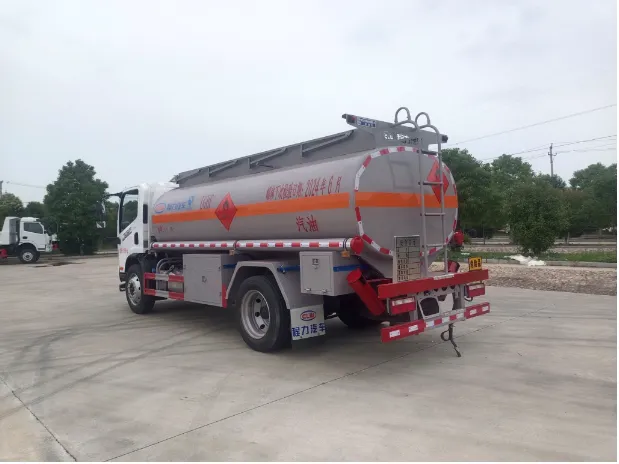

The LPG needs to be properly mixed with air and ignited at the right time for the engine to run smoothly. If there's a problem with this process, the truck won't perform as it should. If you're experiencing starting or running problems, it's best to have a mechanic check it out.
4. Dashboard Warning Lights
Just like in a regular car, LPG tanker trucks have dashboard warning lights. These lights are there to alert you when something is wrong. For example, if the check engine light comes on, it could mean that there's a problem with the engine's sensors or the emissions system.
There might also be warning lights for the tank pressure, the fuel level, or other important systems. Don't ignore these lights. They're designed to give you an early warning so that you can address the problem before it gets worse.
5. Excessive Vibration
A little bit of vibration is normal when the truck is moving, but if you notice excessive vibration, it's a red flag. This could be caused by a problem with the tires, such as uneven wear or a loose wheel. It could also be due to an issue with the suspension system.
Excessive vibration can make the truck uncomfortable to drive, and it can also cause damage to the components over time. If you feel a lot of vibration while driving the LPG tanker truck, pull over safely and check the tires. If everything looks okay with the tires, have the suspension system inspected.
6. Changes in Fuel Consumption
If you notice that the LPG tanker truck is using more fuel than usual, it could be a sign of a problem. This could be due to a number of factors, such as a leak in the fuel system, a malfunctioning engine component, or incorrect tire pressure.
Monitoring the fuel consumption is a good way to keep an eye on the truck's performance. If you see a significant increase in fuel usage, it's worth looking into the cause.
7. Physical Damage
Inspect the LPG tanker truck regularly for any signs of physical damage. This includes dents, scratches, or cracks on the tank, the frame, or the body of the truck. Physical damage can weaken the structure of the truck and increase the risk of a leak or a failure.
Even a small crack in the tank can be extremely dangerous, as it could allow LPG to escape. If you find any physical damage, have it repaired immediately by a qualified technician.
8. Problems with the Gauges
The gauges on the dashboard of an LPG tanker truck are there to provide important information about the truck's operation. For example, the fuel gauge tells you how much LPG is in the tank, and the pressure gauge shows the pressure inside the tank.
If the gauges are giving inaccurate readings, or if they're not working at all, it could be a sign of a problem. This could be due to a faulty sensor or a wiring issue. Without accurate gauge readings, it's difficult to operate the truck safely and efficiently. So, if you notice any problems with the gauges, get them fixed right away.
Now, if you're in the market for a reliable LPG tanker truck, we've got some great options. Check out our Dongfeng Furika 9.9 Cubic Meter Tank Truck. It's a well - built truck with a good capacity, and it's designed to meet high safety standards. We also have the Dongfeng Jincheng 13.4 Cubic Oil Tanker, which is perfect for larger - scale operations. And don't forget about our 9.8 Cubic Meter Tank Truck, a great option for those with specific volume requirements.
If you're interested in learning more about these trucks or if you want to discuss your specific needs, don't hesitate to reach out. We're here to help you find the right LPG tanker truck for your business. Whether you're a small - scale distributor or a large - scale operator, we've got the expertise and the products to meet your requirements. Contact us today to start the conversation about your next LPG tanker truck purchase.
References
- Industry standards and guidelines for LPG tanker trucks
- Manufacturer's manuals for LPG tanker trucks
- Personal experience and knowledge gained from years of supplying LPG tanker trucks


