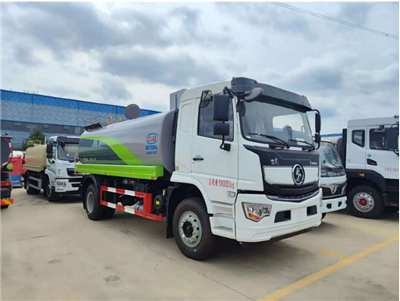
As a seasoned supplier of sewage trucks, I've witnessed firsthand the critical role that steering systems play in the functionality and safety of these specialized vehicles. Sewage trucks are designed to handle the challenging task of collecting, transporting, and disposing of sewage and other liquid waste. A reliable steering system is essential for maneuvering these heavy and often cumbersome vehicles through narrow streets, tight corners, and various working environments. In this blog post, I'll delve into the different types of steering systems commonly found in sewage trucks, their features, and their advantages.
Hydraulic Steering Systems
Hydraulic steering systems are perhaps the most prevalent type of steering system in sewage trucks. These systems use hydraulic fluid to assist the driver in turning the wheels, providing a smooth and responsive steering experience. The basic principle behind a hydraulic steering system is relatively simple. When the driver turns the steering wheel, a hydraulic pump is activated, which pressurizes the hydraulic fluid. This pressurized fluid is then directed to a steering cylinder, which converts the hydraulic force into mechanical force to turn the wheels.
One of the key advantages of hydraulic steering systems is their ability to provide high levels of steering assistance. This is particularly important for sewage trucks, which are often heavy and require significant force to turn. Hydraulic steering systems can reduce the amount of effort required by the driver, making it easier to maneuver the vehicle, especially in tight spaces. Additionally, hydraulic steering systems offer excellent control and precision, allowing the driver to make accurate turns and adjustments.
Another benefit of hydraulic steering systems is their reliability. These systems are designed to withstand the harsh operating conditions typically encountered by sewage trucks, including exposure to dirt, debris, and moisture. The hydraulic components are usually well-sealed and protected, reducing the risk of leaks and other mechanical failures. This reliability translates into fewer maintenance requirements and less downtime for the vehicle, ensuring that it can remain in service for extended periods.
However, hydraulic steering systems also have some drawbacks. One of the main disadvantages is their relatively high energy consumption. The hydraulic pump requires a significant amount of power to operate, which can increase the fuel consumption of the vehicle. Additionally, hydraulic steering systems can be more complex and expensive to repair compared to other types of steering systems. If a hydraulic component fails, it may require specialized tools and expertise to diagnose and fix the problem.
Electric Power Steering (EPS) Systems
In recent years, electric power steering (EPS) systems have gained popularity in the automotive industry, including in sewage trucks. EPS systems use an electric motor to provide steering assistance, eliminating the need for a hydraulic pump and fluid. Instead of relying on hydraulic pressure, the electric motor directly applies torque to the steering column or rack, depending on the design of the system.
One of the primary advantages of EPS systems is their energy efficiency. Unlike hydraulic steering systems, EPS systems only consume power when the driver is actually turning the steering wheel. This means that the electric motor can be powered down when the vehicle is traveling in a straight line, reducing the overall energy consumption of the vehicle. As a result, sewage trucks equipped with EPS systems can achieve better fuel economy, which can lead to significant cost savings over the long term.
Another benefit of EPS systems is their flexibility and ease of integration. These systems can be easily customized and adjusted to meet the specific requirements of different sewage truck models. For example, the level of steering assistance can be programmed to vary depending on the vehicle's speed, providing more assistance at low speeds for easier maneuvering and less assistance at high speeds for better stability. Additionally, EPS systems can be integrated with other vehicle systems, such as electronic stability control (ESC) and lane departure warning systems, to enhance the overall safety and performance of the vehicle.
EPS systems also offer improved reliability and reduced maintenance requirements compared to hydraulic steering systems. Since there are no hydraulic components, there is no risk of hydraulic fluid leaks or other hydraulic-related problems. The electric motor and associated components are generally more durable and require less frequent maintenance. This can result in lower maintenance costs and less downtime for the vehicle, allowing it to stay on the road and in service for longer periods.
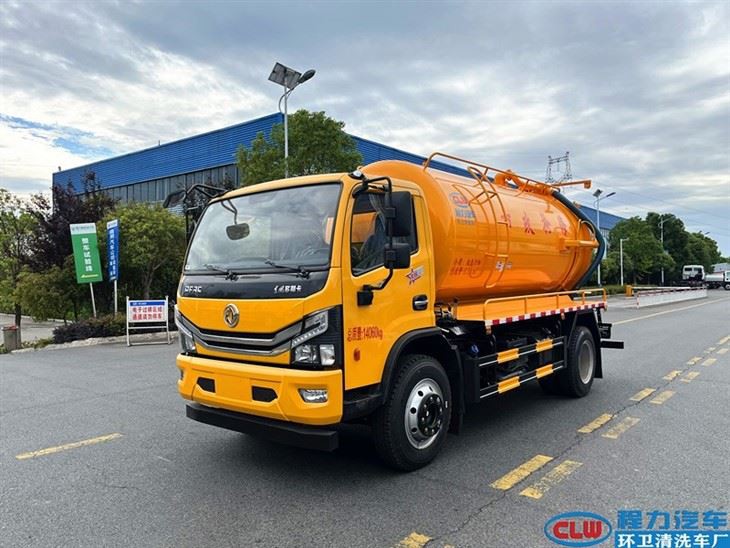

However, EPS systems also have some limitations. One of the main challenges is their ability to provide sufficient steering assistance for heavy-duty sewage trucks. Since these vehicles are typically much heavier than regular passenger cars, they require more force to turn the wheels. Some EPS systems may not be able to generate enough torque to provide adequate steering assistance, especially at low speeds or when the vehicle is carrying a full load. Additionally, EPS systems can be more sensitive to electrical faults and malfunctions, which can affect their performance and reliability.
Electro-Hydraulic Steering Systems
Electro-hydraulic steering systems combine the advantages of hydraulic and electric power steering systems. These systems use an electric motor to drive a hydraulic pump, which then provides hydraulic pressure to assist the driver in turning the wheels. This hybrid approach allows for the benefits of both technologies, offering high levels of steering assistance, energy efficiency, and reliability.
One of the key advantages of electro-hydraulic steering systems is their ability to provide variable steering assistance. The electric motor can be controlled to adjust the amount of hydraulic pressure generated by the pump, depending on the driving conditions and the driver's input. This means that the system can provide more assistance when needed, such as when maneuvering in tight spaces or at low speeds, and less assistance when the vehicle is traveling at high speeds for better stability. This variable steering assistance can enhance the driving experience and improve the overall safety and performance of the sewage truck.
Another benefit of electro-hydraulic steering systems is their energy efficiency. Similar to EPS systems, electro-hydraulic steering systems only consume power when the driver is turning the steering wheel. The electric motor can be powered down when the vehicle is traveling in a straight line, reducing the overall energy consumption of the vehicle. This can result in better fuel economy and lower operating costs for the sewage truck.
Electro-hydraulic steering systems also offer good reliability and durability. The hydraulic components are well-protected and designed to withstand the harsh operating conditions typically encountered by sewage trucks. The electric motor and associated electronics are also relatively robust and less prone to failure compared to some other types of steering systems. This reliability translates into fewer maintenance requirements and less downtime for the vehicle, ensuring that it can remain in service for extended periods.
However, electro-hydraulic steering systems can be more complex and expensive to install and maintain compared to hydraulic or EPS systems. The combination of hydraulic and electric components requires more sophisticated control systems and wiring, which can increase the cost and complexity of the system. Additionally, if a component fails, it may require specialized knowledge and tools to diagnose and repair the problem.
Choosing the Right Steering System for Your Sewage Truck
When selecting a steering system for your sewage truck, there are several factors to consider. The first and most important factor is the size and weight of the vehicle. Larger and heavier sewage trucks will require a steering system that can provide sufficient steering assistance to maneuver the vehicle safely and easily. Hydraulic steering systems are generally a good choice for heavy-duty sewage trucks, as they can provide high levels of steering assistance. However, if fuel efficiency is a major concern, an EPS or electro-hydraulic steering system may be a better option.
Another factor to consider is the operating environment of the sewage truck. If the vehicle will be operating in tight spaces or narrow streets, a steering system that offers good maneuverability and control is essential. EPS and electro-hydraulic steering systems can provide variable steering assistance, which can be beneficial in these situations. On the other hand, if the vehicle will be traveling long distances on highways, a steering system that offers good stability at high speeds is important.
Cost is also an important consideration when choosing a steering system. Hydraulic steering systems are generally the most affordable option, but they may have higher operating costs due to their energy consumption. EPS and electro-hydraulic steering systems may be more expensive to purchase initially, but they can offer significant cost savings in the long term through improved fuel economy and reduced maintenance requirements.
Finally, it's important to consider the reliability and durability of the steering system. Sewage trucks are often subjected to harsh operating conditions, so a steering system that can withstand these conditions and require minimal maintenance is essential. Look for a steering system that is designed and built by a reputable manufacturer and has a proven track record of reliability.
In conclusion, the steering system is a critical component of a sewage truck, and choosing the right system is essential for ensuring the safety, performance, and efficiency of the vehicle. Hydraulic steering systems are a popular choice for their high levels of steering assistance and reliability, while EPS and electro-hydraulic steering systems offer energy efficiency and variable steering assistance. When selecting a steering system, consider the size and weight of the vehicle, the operating environment, the cost, and the reliability and durability of the system.
If you're in the market for a sewage truck or need to upgrade the steering system on your existing vehicle, I encourage you to [contact us](Sewage Vacuum Truck) to discuss your options. Our team of experts can help you choose the right steering system for your specific needs and requirements, and we offer a wide range of high-quality sewage trucks and steering components to meet your needs. We're committed to providing our customers with the best products and services, and we look forward to working with you to find the perfect solution for your sewage truck.
References
- Automotive Engineering Handbook, Society of Automotive Engineers (SAE)
- Vehicle Dynamics: Theory and Application, Rajesh Rajamani
- Modern Automotive Technology, James D. Halderman