


Hey there! I'm in the concrete mixer truck business, and today I wanna talk about something super important: the effect of over - loading on a concrete mixer truck. As a supplier, I've seen firsthand how over - loading can mess things up for these vehicles.
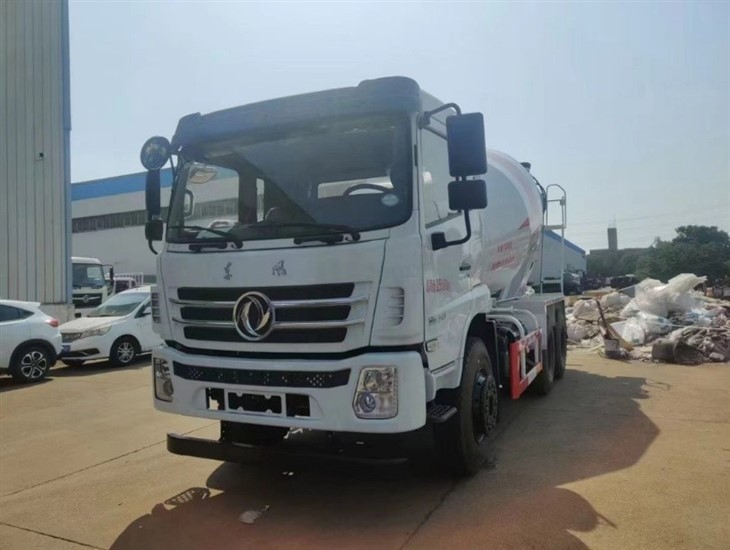
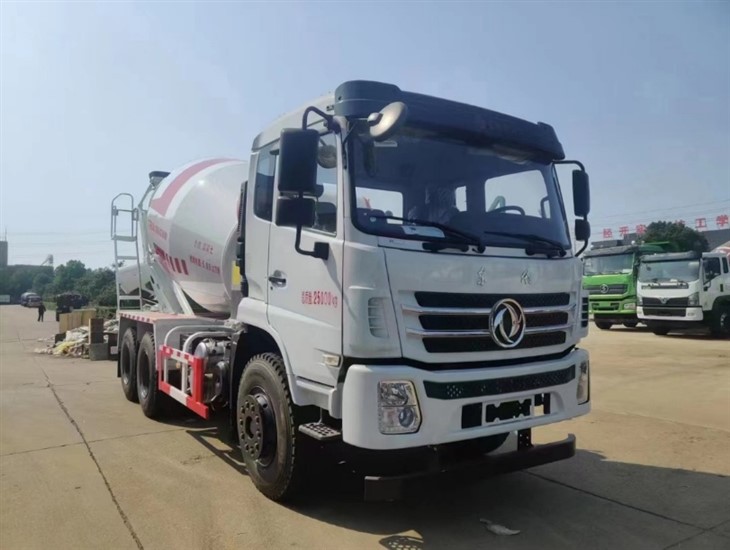
Let's start with the basics. A concrete mixer truck is a workhorse on construction sites. It's designed to transport and mix concrete, making it a crucial part of any building project. But like any machine, it has its limits. When you start over - loading it, you're pushing those limits and asking for trouble.
One of the most obvious effects of over - loading is on the truck's tires. Tires are like the shoes of a vehicle, and when you put too much weight on them, they start to wear out quickly. The extra pressure can cause uneven wear patterns, which means you'll have to replace the tires more often. Not only is this an added cost, but it can also be a safety hazard. Worn - out tires are more likely to blow out, especially when the truck is on the road. Imagine being on a busy highway and having a tire blowout because the truck was over - loaded. It's a nightmare scenario that can lead to serious accidents.
The suspension system of a concrete mixer truck also takes a beating when it's over - loaded. The suspension is responsible for keeping the truck stable and comfortable to drive. But when there's too much weight, the suspension components have to work overtime. Springs can become compressed, and shock absorbers can wear out faster. This can lead to a bumpy ride, which not only affects the driver's comfort but also the integrity of the concrete inside the mixer. A rough ride can cause the concrete to separate or settle unevenly, which is a big no - no in the construction world.
Another area that's affected by over - loading is the engine. The engine has to work harder to move the extra weight. This means it consumes more fuel, which is bad for your bottom line. Over time, the extra strain on the engine can also lead to mechanical problems. Parts can wear out faster, and you might end up with issues like overheating or reduced power. And let's not forget about the emissions. A stressed - out engine is likely to produce more pollutants, which is not only bad for the environment but can also get you in trouble with environmental regulations.
The transmission is also at risk when a concrete mixer truck is over - loaded. The transmission is responsible for shifting gears and transferring power from the engine to the wheels. When there's too much weight, the transmission has to work harder to handle the load. This can cause the gears to wear out faster, and you might experience problems like slipping gears or difficulty shifting. A faulty transmission can leave your truck stranded on the side of the road, which can delay construction projects and cost you a lot of money in repairs.
Now, let's talk about the legal implications of over - loading a concrete mixer truck. In many places, there are strict weight limits for commercial vehicles. If you're caught over - loading your truck, you can face hefty fines. These fines can add up quickly and eat into your profits. Plus, repeated violations can lead to more serious consequences, like having your truck taken out of service or losing your operating license.
But it's not all doom and gloom. There are ways to avoid over - loading your concrete mixer truck. First of all, make sure you know the weight limits of your truck. These limits are usually specified by the manufacturer and are based on the truck's design and capabilities. Use a reliable weighing system to accurately measure the weight of the concrete and any other materials you're carrying. And don't be tempted to cut corners. It might seem like a good idea to squeeze in a little extra concrete to save a trip, but in the long run, it's just not worth it.
As a concrete mixer truck supplier, I offer a range of trucks with different weight capacities. Whether you're working on a small residential project or a large commercial development, I can help you find the right truck for your needs. And if you're looking for a high - quality option, check out the Concrete Agi Truck. It's a great choice that combines durability and performance.
If you're in the market for a new concrete mixer truck or have any questions about over - loading and how to avoid it, don't hesitate to get in touch. I'm here to help you make the right decision and keep your construction projects running smoothly. Contact me to start a conversation about your specific requirements and let's work together to find the perfect solution for your business.
References
- "Commercial Vehicle Weight Regulations in the United States." Federal Motor Carrier Safety Administration.
- "Tire Wear and Safety." National Highway Traffic Safety Administration.
- "Engine Performance and Efficiency." Society of Automotive Engineers.


