


Can a foam fire truck be used for residential fires? This is a question that many people, especially those in the fire safety and residential communities, often ask. As a supplier of Foam Fire Trucks, I am well - versed in the capabilities and limitations of these specialized vehicles, and I'm here to provide a comprehensive answer.
Understanding Foam Fire Trucks
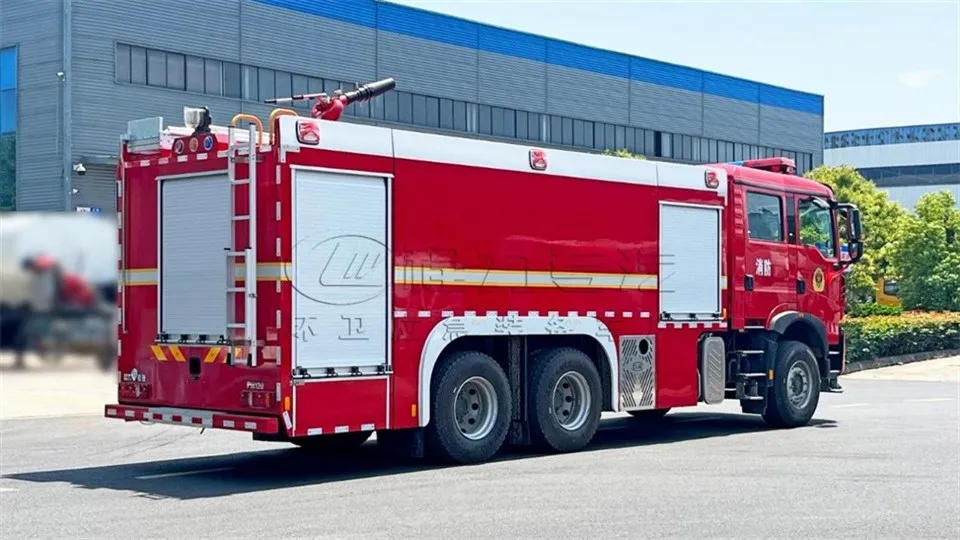
First, let's understand what a foam fire truck is. A Foam Fire Truck is a type of fire - fighting vehicle equipped with a foam generation system. The foam used in these trucks is a special mixture that can be highly effective in suppressing fires. There are different types of foam, such as AFFF (Aqueous Film - Forming Foam) and FFFP (Film - Forming Fluoroprotein Foam). These foams work by creating a layer over the fuel source, preventing oxygen from reaching the fire and thus extinguishing it.
The Nature of Residential Fires
Residential fires can have various causes and characteristics. Common causes include cooking accidents, electrical malfunctions, heating equipment failures, and smoking. The materials involved in residential fires are often a mix of combustibles such as wood, paper, fabric, and plastics. These fires can spread quickly and generate a large amount of heat and smoke, posing a significant threat to the lives and property of the residents.
Advantages of Using Foam Fire Trucks for Residential Fires
1. Rapid Fire Suppression
One of the main advantages of using a foam fire truck for residential fires is its ability to suppress fires rapidly. The foam can quickly cover the burning materials, cutting off the oxygen supply and reducing the intensity of the fire. This is particularly important in residential settings where there may be limited time to prevent the fire from spreading to other parts of the house.
2. Cooling Effect
Foam also has a cooling effect on the burning materials. As the foam breaks down, it releases water, which helps to lower the temperature of the fire. This can prevent the re - ignition of the materials and reduce the risk of the fire flaring up again.
3. Versatility
Foam fire trucks can be used for different types of residential fires. Whether it's a fire in the kitchen caused by grease or an electrical fire in the living room, the appropriate type of foam can be selected to deal with the specific situation. For example, AFFF foam is very effective against flammable liquid fires, which could occur if there is a spill of cooking oil in the kitchen.
4. Reducing Smoke and Toxic Fumes
By suppressing the fire quickly, foam fire trucks can also reduce the amount of smoke and toxic fumes generated. This is crucial for the safety of the residents and the firefighters, as smoke inhalation is one of the leading causes of death in residential fires.
Limitations and Considerations
1. Cost
Foam fire trucks are generally more expensive than traditional water - only fire trucks. The cost of the foam itself, as well as the specialized equipment required to generate and apply the foam, adds to the overall expense. This may be a consideration for smaller fire departments or residential areas with limited budgets.
2. Training
Using a foam fire truck requires specialized training for the firefighters. They need to know how to select the right type of foam, how to operate the foam generation system, and how to apply the foam effectively. Without proper training, the performance of the foam fire truck may be compromised.

3. Environmental Impact
Some types of foam, especially those containing fluorochemicals, can have environmental impacts. These chemicals can persist in the environment and may be harmful to wildlife and human health. However, there are now more environmentally friendly foam options available, and it's important to choose the right type of foam to minimize these impacts.
Comparing with Other Fire Trucks
Let's take a look at how a foam fire truck compares with a traditional pumper - tanker like the Sinotruk HOWO 16 - ton Pumper - Tanker. A pumper - tanker mainly uses water to fight fires. While water is a very effective extinguishing agent for many types of fires, it may not be as efficient as foam in some cases.
For example, in a grease fire in the kitchen, water can cause the grease to splatter and spread the fire, while foam can quickly smother the fire. On the other hand, a pumper - tanker is generally more straightforward to operate and may be more cost - effective in terms of initial purchase and maintenance.
Real - World Applications
In many real - world scenarios, foam fire trucks have been used successfully in residential fires. Fire departments in areas with a high risk of certain types of fires, such as those prone to wildland - urban interface fires or areas with a large number of restaurants (where grease fires are more common), often rely on foam fire trucks.
For instance, in a recent residential fire in a suburban area, a foam fire truck was able to quickly extinguish a fire that had started in the garage due to a gasoline spill. The foam was able to prevent the fire from spreading to the main house, saving the property and the lives of the residents.
Conclusion
In conclusion, a foam fire truck can indeed be used for residential fires, and it offers several significant advantages in terms of rapid fire suppression, cooling, versatility, and reducing smoke. However, there are also limitations such as cost, training requirements, and environmental concerns that need to be considered.
If you are a fire department, a property management company, or an individual interested in enhancing fire safety in residential areas, I encourage you to consider the use of foam fire trucks. Our company offers a wide range of high - quality Foam Fire Trucks that are designed to meet your specific needs. We can also provide training and support to ensure that your firefighters can operate the trucks effectively.
If you have any questions or would like to discuss your purchase options further, please don't hesitate to reach out to us. We look forward to the opportunity to work with you and help you keep your residential areas safe from fires.
References
- "Fire Protection Handbook" by the National Fire Protection Association (NFPA).
- Various technical reports on foam fire - fighting systems from leading fire - safety research institutions.


