


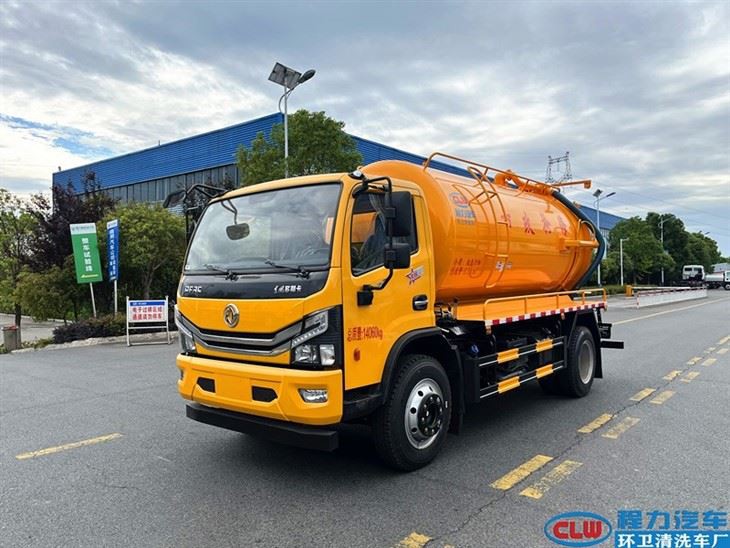
As a sewage truck supplier, I often get asked whether our sewage trucks can be used in rural areas. The answer is a resounding yes! In fact, sewage trucks can play a crucial role in maintaining proper sanitation and hygiene in rural communities. In this blog post, I'll delve into the various aspects of using sewage trucks in rural areas, including the needs, benefits, challenges, and how our Sewage Vacuum Truck can be the ideal solution.
The Sanitation Needs in Rural Areas
Rural areas often face unique sanitation challenges. Unlike urban areas with extensive sewer systems, many rural households rely on septic tanks or pit latrines to manage their wastewater. Septic tanks are designed to hold and treat sewage on-site, but they need to be pumped out regularly to prevent overflow and contamination. Pit latrines, on the other hand, require periodic emptying to maintain a safe and hygienic environment.
Moreover, rural areas may also have community facilities such as schools, clinics, and public restrooms that generate a significant amount of sewage. Without proper waste management, these facilities can become breeding grounds for diseases, posing a threat to the health of the local population.
Benefits of Using Sewage Trucks in Rural Areas
1. Improved Health and Hygiene
One of the primary benefits of using sewage trucks in rural areas is the improvement in public health. By regularly emptying septic tanks and pit latrines, sewage trucks prevent the spread of harmful bacteria, viruses, and parasites that can cause diseases such as cholera, typhoid, and diarrhea. This is especially important in rural communities where access to clean water and healthcare may be limited.
2. Environmental Protection
Proper sewage management is also essential for protecting the environment. When septic tanks and pit latrines overflow, untreated sewage can contaminate groundwater, rivers, and soil. This not only affects the quality of drinking water but also harms aquatic life and ecosystems. Sewage trucks help to prevent such contamination by safely collecting and transporting sewage to treatment facilities.
3. Convenience for Rural Residents
Using sewage trucks provides a convenient solution for rural residents. Instead of having to manually empty their septic tanks or pit latrines, which can be a time-consuming and unpleasant task, they can simply call a sewage truck service. This allows them to focus on their daily activities without having to worry about sewage management.
4. Support for Rural Development
Good sanitation is a key factor in rural development. By improving the health and hygiene of rural communities, sewage trucks can contribute to increased productivity and economic growth. Healthy residents are more likely to be able to work and attend school, which in turn can lead to better education and employment opportunities.
Challenges of Using Sewage Trucks in Rural Areas
While there are many benefits to using sewage trucks in rural areas, there are also some challenges that need to be addressed.
1. Accessibility
One of the main challenges is the accessibility of rural areas. Many rural roads are unpaved or in poor condition, which can make it difficult for sewage trucks to reach certain locations. Additionally, some rural properties may be located in remote areas with limited access, requiring the use of specialized equipment or alternative transportation methods.
2. Cost
The cost of sewage truck services can be a barrier for some rural residents. In some cases, the cost of pumping out a septic tank or pit latrine may be relatively high, especially for low-income households. This can make it difficult for them to afford regular sewage management services.
3. Lack of Awareness
Another challenge is the lack of awareness about the importance of proper sewage management in rural areas. Some residents may not be aware of the health risks associated with untreated sewage or the need for regular septic tank pumping. This can lead to a lack of demand for sewage truck services and a failure to address sanitation issues.
How Our Sewage Vacuum Truck Can Help
At our company, we understand the unique challenges of using sewage trucks in rural areas, and we have designed our Sewage Vacuum Truck to overcome these challenges.
1. High Mobility and Adaptability
Our sewage vacuum trucks are equipped with powerful engines and robust suspension systems, allowing them to navigate rough rural roads with ease. They also have a high ground clearance, which enables them to access properties in remote areas. Additionally, our trucks can be customized with different tank sizes and configurations to meet the specific needs of rural customers.
2. Cost-Effective Solutions
We offer cost-effective sewage truck services to rural customers. Our pricing is competitive, and we work with customers to find the most suitable solution for their budget. We also offer flexible payment options to make it easier for rural residents to afford our services.
3. Awareness and Education
We believe that education is key to promoting proper sewage management in rural areas. That's why we provide awareness and education programs to rural communities, highlighting the importance of regular septic tank pumping and proper sewage disposal. We also offer training to local technicians to ensure that they have the skills and knowledge to operate our sewage trucks safely and effectively.

Conclusion
In conclusion, sewage trucks can be a valuable asset in rural areas. They offer a practical solution for maintaining proper sanitation and hygiene, protecting the environment, and improving the quality of life for rural residents. While there are some challenges to using sewage trucks in rural areas, our Sewage Vacuum Truck is designed to overcome these challenges and provide cost-effective and reliable sewage management services.
If you're a rural resident or a local government agency looking for a sewage truck solution, we'd love to hear from you. Contact us today to discuss your needs and find out how our sewage trucks can help you improve sanitation in your community.
References
- World Health Organization. (2021). Sanitation and health. Retrieved from https://www.who.int/news-room/fact-sheets/detail/sanitation-and-health
- United Nations. (2021). Sustainable Development Goal 6: Clean water and sanitation. Retrieved from https://sdgs.un.org/goals/goal6


