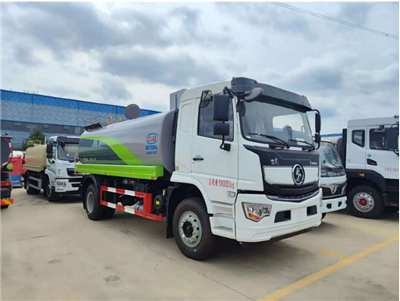
As a supplier of Sprinkler Tankers, I often get asked whether these vehicles can be effectively used for park maintenance. In this blog post, I'll delve into the various aspects of using a Sprinkler Tanker for park upkeep, exploring its capabilities, limitations, and the overall benefits it brings to park management.


The Functionality of Sprinkler Tankers
Sprinkler Tankers are specialized vehicles designed to carry and distribute water over a large area. They are equipped with a water tank, a pumping system, and a series of nozzles or sprayers. The water can be sprayed in different patterns, such as a wide - spread mist or a targeted stream, depending on the specific needs of the task.
When it comes to park maintenance, the primary functions of a Sprinkler Tanker include watering plants, cleaning pathways, and controlling dust. For watering, the tanker can cover a large expanse of grass, flower beds, and trees in a relatively short time. This is particularly useful for large parks where manual watering would be extremely time - consuming and labor - intensive.
The cleaning function of a Sprinkler Tanker is also crucial for park maintenance. Parks often have a lot of foot traffic, which can lead to the accumulation of dirt, leaves, and other debris on pathways. The high - pressure water spray from the tanker can effectively remove this debris, keeping the paths clean and safe for visitors. Additionally, the dust - control feature is beneficial in areas where there is construction or heavy vehicle movement within the park. By spraying water, the tanker can suppress dust particles, improving air quality and reducing the risk of respiratory problems for park visitors.
Advantages of Using Sprinkler Tankers in Park Maintenance
- Efficiency: One of the most significant advantages of using a Sprinkler Tanker is its efficiency. These vehicles can cover large areas quickly, reducing the time and labor required for park maintenance. For example, a single Sprinkler Tanker can water an entire park lawn in a fraction of the time it would take a team of gardeners with hoses.
- Consistent Watering: Sprinkler Tankers are designed to provide a consistent and even distribution of water. This is essential for the health of plants in the park. Uneven watering can lead to some areas being over - watered while others are under - watered, which can cause plant stress and even death. With a Sprinkler Tanker, the water is distributed in a controlled manner, ensuring that all plants receive the right amount of moisture.
- Cost - Effectiveness: In the long run, using a Sprinkler Tanker can be cost - effective. While the initial investment in a Sprinkler Tanker may be significant, the savings in labor costs and the improved health of park plants can offset this expense. Moreover, the durability of these vehicles means that they can be used for many years, providing a good return on investment.
- Versatility: Sprinkler Tankers are highly versatile. They can be used for a variety of tasks in park maintenance, from watering and cleaning to dust control. This means that park managers can use a single vehicle to address multiple maintenance needs, reducing the need for multiple pieces of equipment.
Limitations and Considerations
- Water Source: One of the main limitations of using a Sprinkler Tanker is the need for a reliable water source. The tanker needs to be refilled regularly, and if there is no nearby water supply, it can be a challenge to keep the vehicle operational. Park managers need to ensure that there are adequate water sources within the park or in the vicinity.
- Terrain and Accessibility: The terrain of the park can also pose a challenge. Sprinkler Tankers are relatively large vehicles, and they may have difficulty accessing some areas of the park, especially those with narrow pathways or uneven ground. In such cases, additional equipment or manual labor may be required to reach these areas.
- Weather Conditions: Weather conditions can also affect the effectiveness of a Sprinkler Tanker. For example, strong winds can disperse the water spray, reducing its accuracy and coverage. Similarly, heavy rain may make the use of a Sprinkler Tanker unnecessary or even counterproductive.
Real - World Applications
Many parks around the world have successfully incorporated Sprinkler Tankers into their maintenance routines. For instance, in large urban parks, Sprinkler Tankers are used to water the extensive lawns and gardens. They are also used to clean the walkways and plazas, ensuring a clean and inviting environment for visitors.
In some cases, Sprinkler Tankers are used in combination with other maintenance equipment. For example, they may be used to water the plants, while a 10cbm Sewage Suction Truck is used to remove any standing water or debris from low - lying areas. This integrated approach to park maintenance can lead to more efficient and effective results.
Conclusion
In conclusion, a Sprinkler Tanker can be a valuable asset for park maintenance. Its efficiency, consistent watering, cost - effectiveness, and versatility make it a suitable choice for many park management tasks. However, park managers need to consider the limitations, such as water source availability, terrain, and weather conditions, when deciding whether to use a Sprinkler Tanker.
If you are a park manager or involved in park maintenance and are interested in learning more about how a Sprinkler Tanker can benefit your park, or if you are considering purchasing a Sprinkler Tanker, we are here to help. Our team of experts can provide you with detailed information about our products and assist you in finding the right solution for your park maintenance needs. We also offer a wide range of Sprinkler Trucks that can be customized to meet your specific requirements.
Contact us today to start a discussion about how our Sprinkler Tankers can enhance your park maintenance operations.
References
- "Park Maintenance Best Practices" by the National Park Service.
- "The Role of Sprinkler Systems in Landscape Maintenance" in the Journal of Horticultural Science.