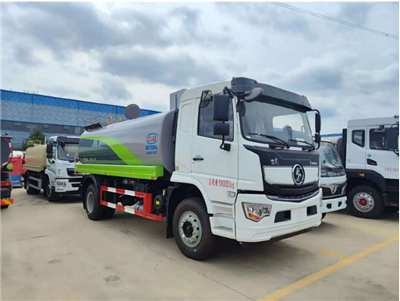
In the realm of waste management and sanitation, the role of sanitation trucks is indispensable. These vehicles are the unsung heroes that keep our cities clean and hygienic. As a leading supplier of sanitation trucks, I've often been asked a crucial question: Do sanitation trucks have a communication system for drivers? In this blog, I'll delve into this topic, exploring the significance, types, and benefits of communication systems in sanitation trucks.
The Need for Communication Systems in Sanitation Trucks
Sanitation trucks operate in dynamic and often challenging environments. They cover vast areas, from residential neighborhoods to commercial districts, and interact with various stakeholders, including waste management crews, traffic controllers, and residents. Effective communication is essential for ensuring the smooth operation of these trucks and the overall efficiency of the sanitation process.
One of the primary reasons for having a communication system is safety. Sanitation trucks often operate in busy streets, making it crucial for drivers to stay informed about traffic conditions, road hazards, and other potential risks. A reliable communication system allows drivers to receive real - time updates, such as traffic jams or road closures, enabling them to adjust their routes accordingly and avoid accidents.
Another important aspect is coordination. Sanitation operations involve multiple teams, including collection crews, transfer station operators, and supervisors. A communication system facilitates seamless coordination between these teams. For example, drivers can communicate with collection crews to ensure that all waste bins are emptied efficiently. They can also report any issues, such as equipment malfunctions or uncollected waste, to supervisors in a timely manner.
Types of Communication Systems in Sanitation Trucks
There are several types of communication systems that can be installed in sanitation trucks, each with its own advantages and limitations.
Radio Communication
Radio communication is one of the most common types of communication systems used in sanitation trucks. It allows drivers to communicate with other trucks, collection crews, and supervisors using two - way radios. Radio communication is reliable, easy to use, and can cover a wide area. It is particularly useful for short - range communication within a specific geographic area, such as a city or a district.
Mobile Communication
With the widespread use of mobile phones, many sanitation truck drivers now rely on mobile communication. Mobile phones offer greater flexibility and connectivity compared to radios. Drivers can make phone calls, send text messages, and even use mobile apps to access real - time information, such as route maps and traffic updates. However, mobile communication is dependent on network coverage, which can be a problem in some areas, especially in rural or remote locations.
Telematics Systems
Telematics systems combine GPS technology with communication capabilities. These systems can track the location of sanitation trucks in real - time and transmit data, such as speed, mileage, and fuel consumption, to a central server. Telematics systems also allow for two - way communication between drivers and supervisors. For example, supervisors can send instructions to drivers via the telematics system, and drivers can report their status and any issues they encounter.


Benefits of Communication Systems in Sanitation Trucks
The implementation of communication systems in sanitation trucks brings numerous benefits to waste management companies and the communities they serve.
Improved Efficiency
Communication systems enable drivers to optimize their routes, reduce idle time, and improve the overall efficiency of waste collection operations. By receiving real - time traffic updates and coordination with other teams, drivers can complete their routes more quickly and with fewer stops. This not only saves time and fuel but also increases the capacity of waste collection.
Enhanced Safety
As mentioned earlier, communication systems play a crucial role in ensuring the safety of sanitation truck drivers and other road users. By staying informed about traffic conditions and potential hazards, drivers can take appropriate measures to avoid accidents. Additionally, in case of an emergency, drivers can quickly communicate with emergency responders, which can save lives and reduce the severity of injuries.
Better Customer Service
Communication systems also improve customer service. Drivers can communicate with residents to address their concerns, such as missed collections or improper waste disposal. They can also provide residents with information about waste collection schedules and any changes to the service. This helps to build trust and improve the relationship between waste management companies and the communities they serve.
Our Sanitation Truck Offerings
As a sanitation truck supplier, we understand the importance of communication systems in modern sanitation operations. That's why all our 4X4 Dump Truck models come equipped with state - of - the - art communication systems. Whether you need a radio communication system for short - range communication or a mobile - based telematics system for real - time tracking and data analysis, we have the right solution for you.
Our Aerial Work Platform Vehicle models also feature advanced communication capabilities. These vehicles are often used for tasks such as street cleaning and graffiti removal, which require close coordination with ground crews. Our communication systems ensure that drivers can communicate effectively with their teams, improving the efficiency and safety of these operations.
In addition, our Sinotruk HOWO TX7 Flatbed Trailer is designed with communication in mind. These trailers are used for transporting waste and other materials, and effective communication is essential for ensuring the smooth flow of goods. Our communication systems allow drivers to stay in touch with transfer station operators and other stakeholders, ensuring that the trailers are loaded and unloaded efficiently.
Conclusion
In conclusion, communication systems are an essential component of modern sanitation trucks. They play a crucial role in ensuring the safety, efficiency, and coordination of sanitation operations. As a sanitation truck supplier, we are committed to providing our customers with the latest communication technologies to meet their specific needs.
If you are in the market for a sanitation truck or are looking to upgrade your existing fleet with advanced communication systems, we invite you to contact us. Our team of experts is ready to assist you in choosing the right truck and communication system for your waste management needs. We look forward to working with you to make your sanitation operations more efficient and effective.
References
- Waste Management Association of North America. (20XX). Best Practices in Sanitation Truck Operations.
- Transportation Research Board. (20XX). Safety and Efficiency in Urban Sanitation Vehicle Operations.
- International Telecommunication Union. (20XX). Mobile and Radio Communication Technologies for Transportation.