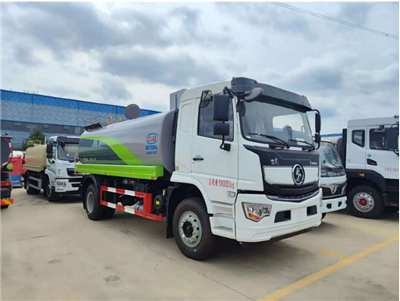
Hey there! I'm a supplier of Aerial Work Trucks, and today I wanna talk about the environmental impacts of these awesome machines. Aerial work trucks are super useful in various industries, like construction, maintenance, and utility work. They help workers reach high places safely and efficiently. But like any piece of equipment, they also have an impact on the environment.
Fuel Consumption and Emissions
One of the most obvious environmental impacts of aerial work trucks is their fuel consumption and emissions. Most of these trucks run on diesel or gasoline engines, which burn fossil fuels. When these fuels are burned, they release a bunch of pollutants into the air, including carbon monoxide (CO), nitrogen oxides (NOx), particulate matter (PM), and hydrocarbons (HC).
Carbon monoxide is a colorless, odorless gas that can be really dangerous. It reduces the amount of oxygen that can be carried by the blood, which can lead to headaches, dizziness, and even death in high concentrations. Nitrogen oxides contribute to the formation of smog and acid rain, and they can also cause respiratory problems. Particulate matter consists of tiny particles that can be inhaled deep into the lungs, causing irritation and long - term health issues. Hydrocarbons are also involved in the formation of smog.
The amount of emissions depends on several factors, such as the size of the engine, the age of the truck, and how it's used. Newer trucks are generally more fuel - efficient and produce fewer emissions than older ones. For example, modern engines are equipped with advanced emission control technologies like diesel particulate filters (DPF) and selective catalytic reduction (SCR) systems. These technologies can significantly reduce the amount of pollutants released into the atmosphere.
However, even with these technologies, aerial work trucks still consume a fair amount of fuel. And as long as we're using fossil fuels, we're contributing to greenhouse gas emissions and climate change. Carbon dioxide (CO₂) is the main greenhouse gas, and the more fuel a truck burns, the more CO₂ it releases.
Noise Pollution
Another environmental impact is noise pollution. Aerial work trucks can be quite noisy, especially when the engine is running and the hydraulic systems are in use. The noise can be a nuisance to people living or working nearby. It can also have a negative impact on wildlife, especially in areas close to natural habitats.
Animals rely on sound for communication, finding food, and avoiding predators. Excessive noise can disrupt these natural behaviors. For example, birds may be unable to hear the calls of their mates or the warning calls of other birds. This can lead to a decrease in their ability to reproduce and survive.
Resource Consumption and Waste Generation
Aerial work trucks require a lot of resources to manufacture. The materials used include steel, aluminum, rubber, and various plastics. Extracting and processing these materials can have a significant environmental impact. For example, mining for iron ore (used to make steel) can cause habitat destruction, soil erosion, and water pollution.
During the lifespan of an aerial work truck, there's also waste generation. This includes used engine oil, filters, and worn - out parts. If these wastes aren't disposed of properly, they can contaminate the soil and water. For instance, used engine oil contains heavy metals and other toxic substances that can seep into the ground and eventually reach water sources.
Positive Environmental Aspects
But it's not all bad news. Aerial work trucks also have some positive environmental aspects. For one thing, they can improve efficiency in many industries. By allowing workers to reach high places quickly and safely, they can reduce the time and effort required for tasks like building maintenance and tree trimming. This means less fuel is consumed overall compared to using less - efficient methods.
Also, some aerial work trucks are being developed to be more environmentally friendly. For example, there are electric - powered aerial work trucks available on the market. These trucks produce zero tailpipe emissions, which is a huge plus for the environment. They're also generally quieter than their diesel or gasoline counterparts.
Solutions and Mitigation Strategies
As a supplier, we're always looking for ways to reduce the environmental impact of our aerial work trucks. One of the things we can do is to promote the use of more fuel - efficient models. We can also educate our customers about proper vehicle maintenance. Keeping the engine tuned, the tires properly inflated, and the filters clean can improve fuel efficiency and reduce emissions.
We can also encourage the use of alternative fuels. For example, some trucks can run on biodiesel, which is made from renewable resources like vegetable oils and animal fats. Biodiesel produces fewer emissions than traditional diesel, especially in terms of particulate matter and carbon monoxide.
In addition, we can work on reducing noise pollution. This can be done by using quieter engines and hydraulic systems, and by installing noise - reducing materials on the trucks.
Different Types of Aerial Work Trucks and Their Impacts
Let's take a look at some specific types of aerial work trucks and their environmental impacts.
The Aerial Work Platform Vehicle is a common type. These vehicles are often used for tasks like window cleaning and building inspections. Their environmental impact is similar to other aerial work trucks in terms of fuel consumption and emissions. However, because they're often used in urban areas, the noise pollution can be a more significant issue.
The ISUZU Aerial Boom Truck is known for its reliability and performance. ISUZU engines are designed to be relatively fuel - efficient, but like all diesel - powered trucks, they still produce emissions. The size and power of the boom also play a role in fuel consumption. A larger boom may require more energy to operate, which means more fuel is burned.
The Insulated Boom Truck is mainly used in the electrical utility industry. These trucks need to be well - insulated to protect workers from electrical hazards. The insulation materials may have their own environmental impacts during the manufacturing process. Also, since they're often used for long - term projects, the cumulative fuel consumption and emissions can be substantial.
Conclusion
In conclusion, aerial work trucks have both positive and negative environmental impacts. While they're very useful in many industries, we need to be aware of their impact on the environment and take steps to mitigate it. As a supplier, I'm committed to providing more environmentally friendly options to our customers.
If you're in the market for an aerial work truck, I encourage you to consider the environmental aspects. Look for trucks with advanced emission control technologies, or even better, consider electric - powered models. We're here to help you make the right choice for your business and the environment.
If you have any questions or are interested in purchasing an aerial work truck, feel free to reach out and start a conversation with us. We can discuss your specific needs and find the best solution for you.


References
- Environmental Protection Agency (EPA). "Mobile Source Emissions."
- Society of Automotive Engineers (SAE). "Fuel Efficiency and Emission Standards for Commercial Vehicles."
- Noise Pollution Clearinghouse. "The Impact of Noise on Wildlife."