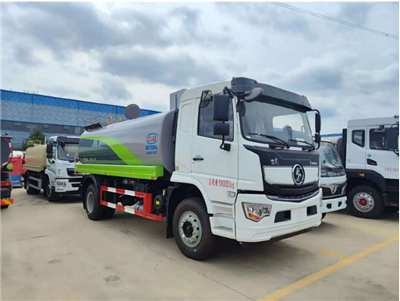
Handling emergency situations while using a flatbed wrecker requires a combination of preparation, knowledge, and quick decision-making. As a supplier of flatbed wreckers, I understand the importance of equipping operators with the skills and tools necessary to respond effectively to unexpected challenges. In this blog post, I will share some insights on how to handle emergency situations when operating a flatbed wrecker.
Preparing for Emergencies
The first step in handling emergency situations is to be prepared. This involves ensuring that your flatbed wrecker is in good working condition and equipped with the necessary safety features. Regular maintenance and inspections are crucial to identify and address any potential issues before they become emergencies.
- Vehicle Maintenance: Schedule routine maintenance checks for your flatbed wrecker, including engine tune-ups, brake inspections, and tire rotations. Follow the manufacturer's recommended maintenance schedule to keep your vehicle in optimal condition.
- Safety Equipment: Make sure your flatbed wrecker is equipped with essential safety equipment, such as fire extinguishers, first aid kits, warning triangles, and reflective vests. Regularly check and replenish these supplies to ensure they are in good working order.
- Training and Certification: Provide comprehensive training to your operators on emergency response procedures, including how to handle accidents, fires, and other unexpected situations. Ensure that your operators are certified in relevant areas, such as CPR and first aid.
Assessing the Situation
When an emergency occurs, the first thing you need to do is assess the situation quickly and accurately. This involves gathering information about the nature of the emergency, the location, and the potential risks involved.
- Safety First: Your primary concern should always be the safety of yourself, your operators, and any other individuals involved in the emergency. Take immediate steps to secure the area and prevent further accidents or injuries.
- Gather Information: Collect as much information as possible about the emergency, including the type of vehicle involved, the extent of the damage, and any hazardous materials present. This information will help you determine the appropriate response and the resources needed.
- Evaluate the Risks: Assess the potential risks associated with the emergency, such as traffic hazards, fire hazards, or the presence of hazardous materials. Take appropriate measures to mitigate these risks and protect yourself and others.
Responding to Emergencies
Once you have assessed the situation, it's time to take action. The specific response will depend on the nature of the emergency, but there are some general guidelines that can help you handle most situations effectively.
- Accidents: In the event of an accident, the first priority is to ensure the safety of all individuals involved. Check for injuries and provide first aid if necessary. Call for emergency medical services if needed. Once the scene is safe, you can begin the process of towing the damaged vehicle to a repair facility.
- Fires: If a fire breaks out, immediately evacuate the area and call the fire department. Use a fire extinguisher to try to extinguish the fire if it is safe to do so. Do not attempt to fight a large fire on your own.
- Hazardous Materials Spills: If a hazardous materials spill occurs, it is important to take immediate action to contain the spill and prevent it from spreading. Wear appropriate protective equipment, such as gloves and goggles, and follow the proper procedures for cleaning up the spill. Call the appropriate authorities, such as the environmental protection agency or the hazardous materials response team, for assistance.
- Mechanical Failures: If your flatbed wrecker experiences a mechanical failure, such as a flat tire or an engine problem, pull over to a safe location and turn on your hazard lights. Use a warning triangle to alert other drivers of your presence. If you are unable to fix the problem yourself, call for roadside assistance or a tow truck.
Using the Right Equipment
In addition to being prepared and responding quickly, using the right equipment is essential for handling emergency situations effectively. As a supplier of flatbed wreckers, I offer a range of high-quality vehicles and equipment that are designed to meet the needs of emergency responders.
- HOWO Flatbed Towing Truck: The HOWO Flatbed Towing Truck is a powerful and reliable vehicle that is ideal for towing a variety of vehicles, including cars, trucks, and SUVs. It features a sturdy flatbed design, a powerful engine, and advanced towing technology, making it a popular choice among emergency responders.
- Sinotruk HOWO TX7 Flatbed Trailer: The Sinotruk HOWO TX7 Flatbed Trailer is a versatile and durable trailer that can be used for a variety of towing applications. It features a large flatbed surface, a high payload capacity, and a reliable braking system, making it a great choice for transporting heavy equipment and vehicles.
- Flatbed Wrecker: Our Flatbed Wrecker is a specialized vehicle that is designed specifically for towing and recovery operations. It features a hydraulic lifting system, a winch, and a variety of other tools and equipment, making it a powerful and effective tool for handling emergency situations.
Conclusion
Handling emergency situations while using a flatbed wrecker requires a combination of preparation, knowledge, and quick decision-making. By following the guidelines outlined in this blog post, you can increase your chances of responding effectively to unexpected challenges and ensuring the safety of yourself, your operators, and others.


If you are in the market for a high-quality flatbed wrecker or other towing equipment, I encourage you to contact us to learn more about our products and services. We offer a wide range of vehicles and equipment that are designed to meet the needs of emergency responders and towing professionals. Our team of experts can help you choose the right equipment for your specific needs and provide you with the support and training you need to operate it safely and effectively.
References
- Federal Emergency Management Agency (FEMA). (2023). Emergency Response Guidebook.
- National Fire Protection Association (NFPA). (2023). Fire Safety Standards.
- Occupational Safety and Health Administration (OSHA). (2023). Hazardous Materials Standards.