


Hey there! I'm a supplier of LPG tanker trucks, and I've seen a lot when it comes to getting these bad boys through customs. It's not always a walk in the park, but with the right know - how, it can go smoothly. So, let's dig into how an LPG tanker truck handles customs procedures.

Pre - Departure Preparations
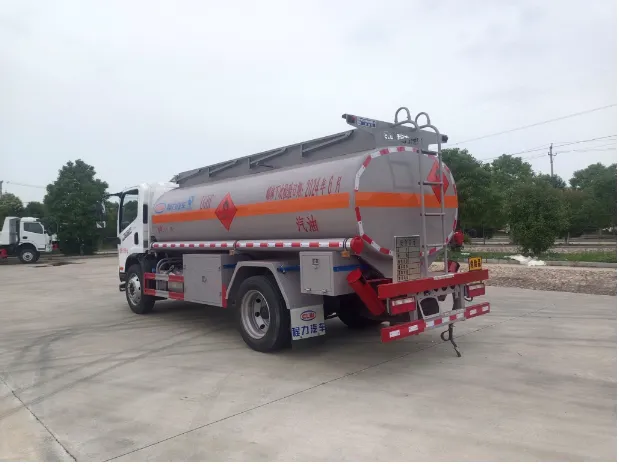
Before the LPG tanker truck even hits the road towards the border, there's a ton of paperwork to sort out. First off, we need to have all the technical details of the truck ready. This includes the truck's specifications like its capacity, the materials used in the tank construction, and its safety features. For example, our Dongfeng Jincheng 13.4 Cubic Oil Tanker has specific dimensions and safety mechanisms that need to be documented.
We also need to prepare the bill of lading. This document lists all the goods being transported, in this case, the LPG tanker truck itself. It includes details like the manufacturer, the model number, and the destination. The packing list is another crucial piece of paper. It outlines how the truck is packed, whether it's on a flat - bed trailer or in a container. This helps customs officials understand the physical state of the shipment.
Then there's the commercial invoice. This shows the value of the LPG tanker truck. It's important to be accurate here because customs duties are often calculated based on the declared value. We need to make sure the price reflects the actual market value of the truck.
At the Border
When the LPG tanker truck reaches the border, it's time to face the customs inspection. The first thing customs officers will do is check the documents we've prepared. They'll compare the bill of lading, packing list, and commercial invoice to make sure everything matches up. Any discrepancies can lead to delays, so it's super important to double - check our paperwork before we get to the border.
Next, they'll take a look at the truck itself. They're going to check for any signs of damage or tampering. They'll also inspect the safety features of the tanker. For instance, they'll make sure the pressure relief valves on our 9.8 Cubic Meter Tank Truck are working properly. This is because LPG is a flammable substance, and safety is a top priority.
Customs officers may also conduct a measurement of the tank's capacity. They want to ensure that the declared capacity on the documents matches the actual capacity of the tanker. If there's a significant difference, it could raise some red flags.
Paying Duties and Taxes
Once the inspection is done and everything checks out, it's time to deal with duties and taxes. The amount we have to pay depends on a few factors. The first is the country of origin of the LPG tanker truck. Different countries have different trade agreements, which can affect the duty rates.
The type of truck also matters. For example, our Dongfeng Furika 9.9 Cubic Meter Tank Truck might have a different duty rate compared to other models because of its specific features and value.
We usually calculate the duties based on the customs value, which is often the value stated on the commercial invoice. There could also be additional taxes, like value - added tax (VAT), depending on the destination country's tax laws. It's important to have a clear understanding of these costs before we ship the truck so we can factor them into our pricing for the customers.
Post - Clearance
After we've paid the duties and taxes, and the customs officers are satisfied, the LPG tanker truck gets the green light to enter the country. But our work doesn't stop there. We need to keep records of all the customs - related documents for a certain period. This is for compliance purposes and in case there are any audits or inquiries later on.
We also need to make sure that the customer on the receiving end has all the necessary information about the truck and the customs clearance process. This helps them with any local regulations they might need to follow once the truck arrives at their facility.
Tips for a Smooth Process
One of the best tips I can give is to work with a customs broker. These guys are experts in navigating the complex world of customs procedures. They know all the rules and regulations, and they can help us fill out the paperwork correctly. They can also represent us at the border if there are any issues with the customs inspection.
Another tip is to stay updated on the latest customs regulations. These rules can change pretty often, especially when it comes to safety and environmental standards for LPG tanker trucks. By keeping an eye on these changes, we can make sure our trucks meet all the requirements.
It's also a good idea to build a good relationship with the customs authorities. Being honest and cooperative can go a long way. If there are any minor issues, they're more likely to work with us to find a solution if we've been good partners in the past.
Conclusion
Handling customs procedures for an LPG tanker truck is definitely a challenge, but it's not impossible. With proper pre - departure preparations, a smooth inspection process at the border, and careful management of duties and taxes, we can get our trucks to our customers without too many headaches.
If you're in the market for an LPG tanker truck, we've got a great selection of high - quality trucks like the ones I've mentioned above. We're here to help you through the whole process, from choosing the right truck to getting it through customs and into your hands. Don't hesitate to reach out if you have any questions or if you're ready to start the procurement process. Let's work together to get you the perfect LPG tanker truck for your business.
References
- International Chamber of Commerce (ICC). Incoterms 2020.
- World Customs Organization (WCO). Customs Procedures for Goods in International Trade.


