


Selecting the right sewage vacuum truck is a crucial decision for businesses and municipalities involved in waste management. As a sewage vacuum truck supplier, I understand the importance of making an informed choice that aligns with your specific needs. In this blog post, I'll guide you through the key factors to consider when choosing a sewage vacuum truck, ensuring you get the most suitable vehicle for your operations.
Capacity Requirements
The first step in choosing a sewage vacuum truck is to determine your capacity requirements. Consider the volume of sewage or waste you need to collect during a typical operation. If you're working on small - scale projects, such as residential septic tank clean - outs, a truck with a smaller capacity, perhaps in the range of 1000 - 2000 gallons, might be sufficient. On the other hand, for large - scale municipal projects or industrial waste removal, you'll likely need a truck with a capacity of 3000 gallons or more.
It's important to note that overestimating or underestimating the capacity can lead to inefficiencies. An oversized truck may be more expensive to operate and maintain, while an undersized one may require multiple trips, increasing labor and fuel costs.
Vacuum System Performance
The vacuum system is the heart of a sewage vacuum truck. A high - performance vacuum system ensures efficient waste collection. Look for trucks with powerful vacuum pumps that can generate sufficient suction to handle different types of waste, including thick sludge and solid debris.
There are two main types of vacuum pumps: positive displacement pumps and centrifugal pumps. Positive displacement pumps are known for their high - pressure capabilities and are suitable for handling thick and viscous waste. Centrifugal pumps, on the other hand, are better for handling large volumes of liquid waste quickly. Consider the nature of the waste you'll be dealing with to choose the appropriate pump type.
Tank Material and Construction
The tank of a sewage vacuum truck is exposed to harsh chemicals and corrosive substances. Therefore, the choice of tank material is critical. Common tank materials include steel, aluminum, and polyethylene.
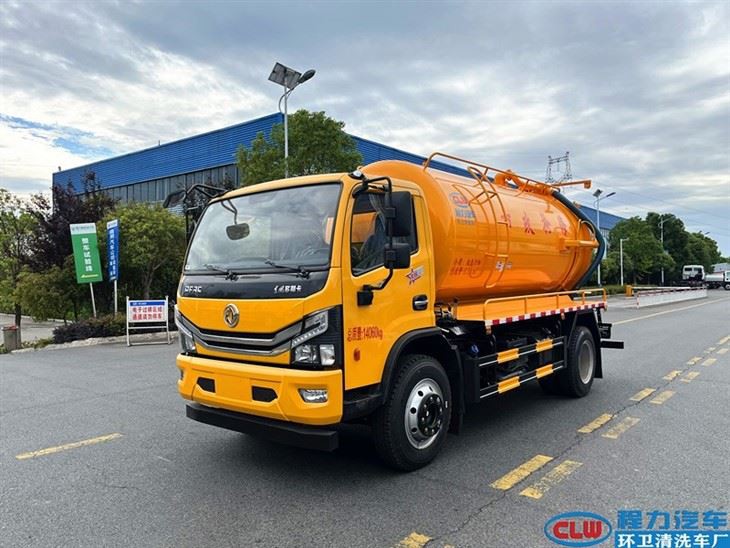

Steel tanks are strong and durable, but they are prone to rust if not properly maintained. Aluminum tanks are lightweight and resistant to corrosion, which can improve fuel efficiency. Polyethylene tanks are corrosion - resistant and offer excellent chemical resistance, but they may not be as strong as steel or aluminum in some cases.
In addition to the material, consider the tank's construction. A well - built tank with proper reinforcement and welding will ensure long - term reliability and safety.
Mobility and Maneuverability
The mobility and maneuverability of the sewage vacuum truck are important, especially if you need to access tight spaces or navigate through congested areas. Consider the truck's wheelbase, turning radius, and overall size. A shorter wheelbase and a smaller turning radius will make the truck easier to maneuver in narrow streets or confined work areas.
Also, pay attention to the truck's suspension system. A good suspension system will provide a smooth ride, reducing wear and tear on the vehicle and improving operator comfort.
Additional Features and Accessories
Many sewage vacuum trucks come with additional features and accessories that can enhance their functionality. Some common features include:
- Hose Reels: Automatic or manual hose reels make it easier to handle and store the suction hoses, saving time and effort during operations.
- Washdown Systems: A washdown system allows you to clean the tank and the truck after each use, preventing the buildup of waste and odors.
- Safety Features: Look for trucks equipped with safety features such as emergency shut - off valves, warning lights, and anti - spill devices to ensure the safety of the operator and the environment.
Cost Considerations
Cost is an important factor when choosing a sewage vacuum truck. However, it's important to look beyond the initial purchase price. Consider the long - term operating costs, including fuel consumption, maintenance, and repair costs. A more expensive truck with better fuel efficiency and lower maintenance requirements may be more cost - effective in the long run.
Also, compare the prices of different models and brands. Don't be afraid to negotiate with the supplier to get the best deal.
After - Sales Support
After - sales support is crucial when purchasing a sewage vacuum truck. A reliable supplier should offer comprehensive after - sales services, including maintenance, repair, and parts availability. Look for a supplier with a good reputation for customer service and a network of service centers.
When you have a reliable after - sales support system, you can minimize downtime in case of any issues with the truck, ensuring continuous operation of your waste management business.
Environmental Considerations
In today's environmentally conscious world, it's important to choose a sewage vacuum truck that meets environmental standards. Look for trucks with advanced emission control systems to reduce harmful pollutants. Some trucks are also designed to recycle and treat the collected waste, minimizing the environmental impact.
Conclusion
Choosing the right sewage vacuum truck requires careful consideration of various factors, including capacity, vacuum system performance, tank material, mobility, additional features, cost, after - sales support, and environmental impact. As a [Your Company's Position] at [Your Company Name], I'm here to help you make an informed decision. If you're interested in learning more about our Sewage Vacuum Truck or have any questions regarding your specific needs, please feel free to reach out. We're committed to providing you with the best solutions for your waste management requirements.
References
- Environmental Protection Agency. (Year). Guidelines for Waste Management Equipment.
- Industry Research Reports on Sewage Vacuum Trucks. (Year).
- Manufacturer's Manuals for Sewage Vacuum Trucks.


