


Hey there! As a supplier of Sewage Vacuum Trucks, I've seen my fair share of these beasts in action. And let me tell you, keeping the interior of a sewage vacuum truck clean is no joke. It's not just about making it look good; it's crucial for the truck's performance, longevity, and, most importantly, for the health and safety of everyone involved. So, in this blog, I'm gonna walk you through the steps on how to clean the interior of a sewage vacuum truck like a pro.
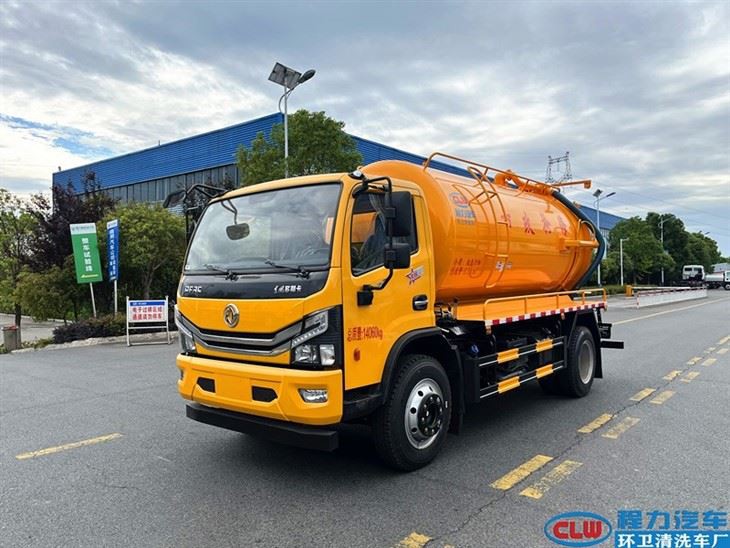

First things first, let's talk about why cleaning the interior of a sewage vacuum truck is so important. Sewage is full of all sorts of nasty stuff - bacteria, viruses, chemicals, and debris. If you don't clean the truck regularly, all this gunk can build up inside the tank, hoses, and other components. This can lead to clogs, corrosion, and even damage to the truck's pumping system. Plus, it can create a breeding ground for harmful pathogens, which can pose a serious health risk to the operators and anyone else who comes into contact with the truck.
Now that we've covered the why, let's get into the how. The cleaning process can be broken down into a few key steps: preparation, pre - cleaning, main cleaning, and post - cleaning.
Preparation
Before you start cleaning, you need to make sure you have all the right tools and equipment. You'll need personal protective equipment (PPE) like gloves, goggles, a face mask, and a protective suit. This stuff is non - negotiable; it's there to keep you safe from the sewage and the cleaning chemicals. You'll also need cleaning agents. There are specialized sewage tank cleaners on the market that are designed to break down organic matter and kill bacteria. Make sure to choose one that's compatible with your truck's materials.
In addition to the cleaning agents, you'll need a pressure washer, a hose, and some scrub brushes. The pressure washer will be your best friend for removing stubborn dirt and debris, while the scrub brushes are great for getting into those hard - to - reach areas.
Once you have your tools and equipment ready, you need to park the truck in a well - ventilated area. This is important because the cleaning process can release fumes, and you don't want to inhale them. Also, make sure the truck is turned off and the engine is cool before you start.
Pre - cleaning
The pre - cleaning step is all about removing as much of the loose sewage as possible. Start by emptying the sewage tank completely. Most sewage vacuum trucks have a valve at the bottom of the tank that you can open to drain the contents. Make sure to follow all the safety procedures when doing this, as the sewage can be under pressure.
After emptying the tank, use a hose to rinse the interior of the tank with water. This will help to loosen any remaining debris and make the main cleaning process easier. Pay special attention to the corners and edges of the tank, as these are the areas where dirt and debris tend to accumulate.
Main cleaning
Now it's time for the main event. Mix your cleaning agent with water according to the manufacturer's instructions. You can use a bucket or a pressure washer's detergent tank to do this.
Once your cleaning solution is ready, use the pressure washer to spray the interior of the tank. Start from the top and work your way down, making sure to cover every surface. The high - pressure water will help to break down the dirt and grime, while the cleaning agent will kill the bacteria.
For the areas that the pressure washer can't reach, like the hoses and the pump, use a scrub brush to apply the cleaning solution. Scrub these areas thoroughly to remove any stubborn stains and debris.
Don't forget about the filters. The filters in a sewage vacuum truck are designed to trap debris and prevent it from entering the pumping system. Over time, these filters can get clogged, which can affect the truck's performance. Remove the filters and soak them in the cleaning solution for a few hours. Then, rinse them with water and let them dry before reinstalling them.
Post - cleaning
After you've finished cleaning the interior of the tank, hoses, and filters, use a clean water rinse to remove any remaining cleaning solution. This is important because leaving the cleaning solution in the truck can cause corrosion over time.
Once you've rinsed the truck, dry the interior with a clean cloth or let it air dry. Make sure that the tank and all the components are completely dry before you start using the truck again.
Finally, inspect the truck for any signs of damage or wear. Check the hoses for cracks, the tank for leaks, and the pump for proper operation. If you notice any issues, make sure to address them before using the truck.
Cleaning the interior of a sewage vacuum truck is a time - consuming and labor - intensive process, but it's essential for the truck's performance and your safety. By following these steps, you can ensure that your sewage vacuum truck stays in top condition for years to come.
If you're in the market for a Sewage Vacuum Truck, or if you have any questions about cleaning or maintaining these trucks, don't hesitate to reach out. You can check out our Sewage Vacuum Truck offerings on our website. We're always here to help you make the right choice and keep your equipment running smoothly. Whether you're a small - scale operator or a large - scale sanitation company, we've got the right truck for you. So, get in touch with us today to start a conversation about your needs.
References
- Industry best practices for sewage vacuum truck maintenance
- Manufacturer's manuals for sewage vacuum trucks
- Safety guidelines for handling sewage and cleaning agents


