


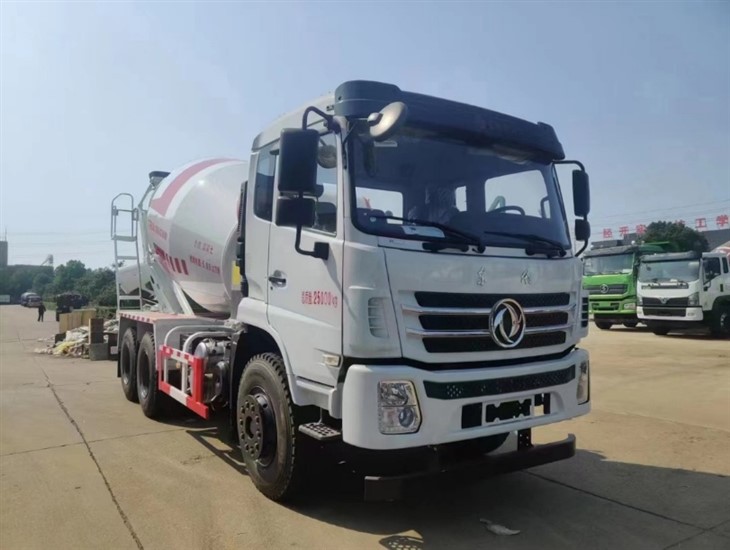
Controlling the rotation speed of the mixing drum of a concrete mixer truck is a crucial aspect of ensuring the quality of the concrete being transported. As a leading supplier of concrete mixer trucks, I understand the importance of this process and have extensive experience in providing solutions that optimize the rotation speed for different applications. In this blog post, I will share some insights on how to control the rotation speed of the mixing drum effectively.
Understanding the Basics of Mixing Drum Rotation
Before delving into the methods of controlling the rotation speed, it is essential to understand the basic principles of mixing drum rotation. The mixing drum of a concrete mixer truck rotates to keep the concrete in a homogeneous state during transportation. The rotation speed affects the mixing efficiency, the quality of the concrete, and the overall performance of the mixer truck.
The rotation speed of the mixing drum is typically measured in revolutions per minute (RPM). The optimal rotation speed depends on several factors, including the type of concrete, the distance of transportation, and the environmental conditions. For example, a higher rotation speed may be required for a longer transportation distance or a more viscous concrete mix.
Factors Affecting the Rotation Speed
Several factors can affect the rotation speed of the mixing drum of a concrete mixer truck. Understanding these factors is crucial for effective control.
Type of Concrete
Different types of concrete have different viscosities and mixing requirements. For example, high-strength concrete or self-compacting concrete may require a higher rotation speed to ensure proper mixing. On the other hand, a less viscous concrete mix may require a lower rotation speed to prevent segregation.
Transportation Distance
The distance of transportation also plays a significant role in determining the rotation speed. For longer distances, a higher rotation speed may be necessary to keep the concrete in a homogeneous state. However, excessive rotation speed can also lead to increased wear and tear on the mixing drum and other components of the mixer truck.
Environmental Conditions
Environmental conditions, such as temperature and humidity, can affect the properties of the concrete and, consequently, the required rotation speed. In hot weather, the concrete may set faster, requiring a higher rotation speed to prevent premature hardening. In cold weather, a lower rotation speed may be sufficient to maintain the concrete's workability.
Methods of Controlling the Rotation Speed
There are several methods available for controlling the rotation speed of the mixing drum of a concrete mixer truck. These methods can be broadly classified into mechanical, hydraulic, and electronic control systems.
Mechanical Control Systems
Mechanical control systems are the simplest and most traditional method of controlling the rotation speed. These systems typically use a gearbox or a pulley system to adjust the speed of the mixing drum. The operator can manually select the desired speed by changing the gear ratio or adjusting the pulley size.
One of the advantages of mechanical control systems is their simplicity and reliability. They are relatively easy to maintain and repair, making them a popular choice for many mixer truck operators. However, mechanical control systems have limited flexibility and may not be suitable for applications that require precise speed control.

Hydraulic Control Systems
Hydraulic control systems use hydraulic pumps, motors, and valves to control the rotation speed of the mixing drum. These systems offer greater flexibility and precision compared to mechanical control systems. The operator can adjust the speed of the mixing drum by controlling the flow rate and pressure of the hydraulic fluid.
Hydraulic control systems are commonly used in modern concrete mixer trucks due to their ability to provide smooth and accurate speed control. They can also be integrated with other systems, such as the engine management system, to optimize the overall performance of the mixer truck. However, hydraulic control systems are more complex and expensive than mechanical control systems, and they require regular maintenance to ensure proper operation.
Electronic Control Systems
Electronic control systems use sensors, controllers, and actuators to monitor and adjust the rotation speed of the mixing drum. These systems offer the highest level of precision and flexibility compared to mechanical and hydraulic control systems. The operator can set the desired rotation speed using a digital display or a control panel, and the system will automatically adjust the speed based on the input parameters.
Electronic control systems can also be programmed to adapt to different operating conditions and concrete mixes. For example, they can automatically adjust the rotation speed based on the temperature, humidity, and transportation distance. This ensures that the concrete is mixed and transported under optimal conditions, resulting in a higher quality product. However, electronic control systems are the most complex and expensive option, and they require specialized knowledge and skills to install and maintain.
Tips for Optimizing the Rotation Speed
In addition to choosing the appropriate control system, there are several tips that can help optimize the rotation speed of the mixing drum of a concrete mixer truck.
Conduct a Concrete Mix Analysis
Before starting the mixing process, it is essential to conduct a concrete mix analysis to determine the optimal rotation speed. This analysis should take into account the type of concrete, the desired workability, and the transportation distance. Based on the analysis, the operator can select the appropriate rotation speed and control system.
Monitor the Rotation Speed Regularly
Once the mixing process has started, it is important to monitor the rotation speed regularly to ensure that it remains within the desired range. This can be done using a tachometer or a speed sensor. If the rotation speed deviates from the set value, the operator should adjust the control system accordingly.
Adjust the Rotation Speed Based on the Operating Conditions
The rotation speed of the mixing drum should be adjusted based on the operating conditions, such as the temperature, humidity, and transportation distance. For example, in hot weather, the rotation speed may need to be increased to prevent premature hardening of the concrete. In cold weather, the rotation speed may need to be decreased to maintain the concrete's workability.
Maintain the Mixer Truck Regularly
Regular maintenance of the mixer truck is essential to ensure the proper operation of the mixing drum and the control system. This includes checking the hydraulic fluid level, inspecting the belts and pulleys, and lubricating the moving parts. By maintaining the mixer truck regularly, the operator can prevent breakdowns and ensure that the rotation speed is controlled accurately.
Conclusion
Controlling the rotation speed of the mixing drum of a concrete mixer truck is a critical factor in ensuring the quality of the concrete being transported. By understanding the basic principles of mixing drum rotation, the factors affecting the rotation speed, and the available control methods, operators can optimize the rotation speed for different applications.
As a [Your Company's Position] at a leading concrete mixer truck supplier, I am committed to providing our customers with the best solutions for controlling the rotation speed of the mixing drum. Our range of mixer trucks is equipped with advanced control systems that offer precise and flexible speed control, ensuring that the concrete is mixed and transported under optimal conditions.
If you are interested in learning more about our concrete mixer trucks or need assistance in choosing the right control system for your application, please [Invitation to Contact for Purchase Negotiation]. We look forward to working with you to meet your concrete transportation needs.
References
- Concrete Technology: Principles, Properties, and Materials by P. Kumar Mehta and Paulo J.M. Monteiro
- Construction Equipment Handbook by Edward W. Farrar
- Concrete Agi Truck


