


Preventing concrete from solidifying in a concrete mixer truck is a crucial aspect of the construction industry. As a leading concrete mixer truck supplier, we understand the challenges that construction companies face in ensuring the quality and workability of concrete during transportation. In this blog post, we will explore various strategies and best practices to prevent concrete from solidifying prematurely in a mixer truck, ensuring that the concrete arrives at the construction site in optimal condition.
Understanding the Solidification Process of Concrete
Before delving into prevention methods, it's essential to understand the factors that contribute to concrete solidification. Concrete is a mixture of cement, water, aggregates (such as sand and gravel), and sometimes additives. When water is added to cement, a chemical reaction called hydration occurs, which causes the concrete to harden over time. The rate of hydration depends on several factors, including temperature, humidity, the type of cement used, and the presence of additives.
In a concrete mixer truck, the rotation of the drum helps to keep the concrete in a fluid state by continuously mixing the ingredients. However, if the truck is stationary for an extended period or if the conditions are unfavorable, the concrete can start to solidify. This can lead to several problems, including reduced workability, blockages in the mixer truck, and a decrease in the strength and durability of the final concrete product.
Strategies to Prevent Concrete Solidification
1. Maintain Proper Mixer Truck Operation
- Continuous Mixing: One of the most effective ways to prevent concrete from solidifying is to keep the mixer truck's drum rotating continuously. The rotation helps to distribute the water evenly throughout the concrete, preventing the formation of dry pockets that can lead to premature solidification. Most modern concrete mixer trucks are equipped with a hydraulic system that allows the drum to rotate even when the truck is stationary.
- Optimal Rotation Speed: The rotation speed of the mixer truck's drum should be set at an optimal level. Too slow a speed may not provide sufficient mixing, while too fast a speed can cause the concrete to separate. Typically, a rotation speed of 2 to 6 revolutions per minute (RPM) is recommended for most concrete mixes.
- Regular Inspection and Maintenance: Regular inspection and maintenance of the mixer truck are essential to ensure its proper operation. This includes checking the drum for any signs of damage or wear, lubricating the moving parts, and ensuring that the hydraulic system is functioning correctly. Any issues should be addressed promptly to prevent downtime and ensure the quality of the concrete.
2. Control the Concrete Mix
- Proper Water - Cement Ratio: The water - cement ratio is a critical factor in determining the workability and setting time of concrete. A higher water - cement ratio generally results in more workable concrete but can also increase the risk of bleeding and segregation. Conversely, a lower water - cement ratio can lead to faster solidification. It's important to use the correct water - cement ratio as specified in the concrete mix design to ensure optimal performance.
- Use of Additives: Additives can be used to control the setting time of concrete. Retarders are additives that slow down the hydration process, allowing the concrete to remain workable for a longer period. They are particularly useful in hot weather or when long transportation times are required. On the other hand, accelerators can be used to speed up the setting time if necessary.
- Quality of Aggregates: The quality and gradation of the aggregates used in the concrete mix can also affect its workability and setting time. Well - graded aggregates with a proper particle size distribution help to reduce the amount of water needed in the mix, improving the overall quality of the concrete.
3. Manage Environmental Conditions
- Temperature Control: Temperature has a significant impact on the rate of hydration of concrete. In hot weather, the hydration process can occur more rapidly, increasing the risk of premature solidification. To mitigate this, measures such as shading the mixer truck, using chilled water in the concrete mix, or adding ice to the mix can be taken. In cold weather, the hydration process slows down, and the concrete may take longer to set. Insulating the mixer truck or using heated water can help to maintain the temperature of the concrete within an acceptable range.
- Humidity: High humidity can also affect the setting time of concrete. In humid conditions, the evaporation of water from the concrete surface is reduced, which can slow down the hydration process. However, excessive humidity can also lead to the formation of surface moisture, which can cause problems such as mold growth and reduced adhesion. It's important to monitor and control the humidity levels during concrete transportation and placement.
4. Plan Efficient Routes and Schedules
- Minimize Transportation Time: The longer the concrete is in transit, the greater the risk of solidification. Therefore, it's important to plan efficient routes and schedules to minimize the transportation time. This may involve using real - time traffic information to avoid congested areas and ensuring that the mixer truck arrives at the construction site promptly.
- Coordinate with the Construction Site: Effective communication between the concrete supplier and the construction site is essential. The construction site should be prepared to receive the concrete as soon as the mixer truck arrives, minimizing the time that the concrete spends in the truck. This may involve ensuring that the necessary equipment and personnel are available and that the pouring area is clean and ready.
The Role of Our Concrete Mixer Trucks
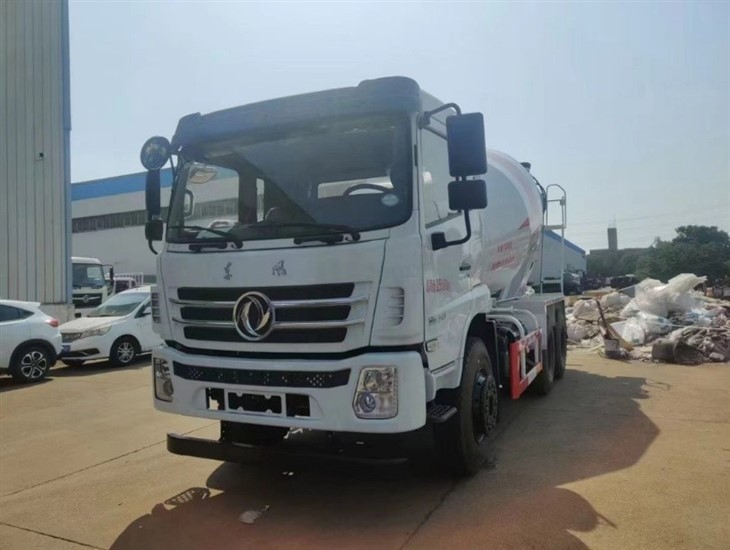
As a concrete mixer truck supplier, we offer a range of high - quality mixer trucks that are designed to prevent concrete solidification. Our Concrete Agi Truck and Dongfeng D17 Engineering Mixer Truck are equipped with advanced features to ensure optimal mixing and transportation of concrete.
Our mixer trucks are designed with a large - capacity drum that provides ample space for the concrete mix. The drum is made of high - strength steel and is lined with wear - resistant materials to ensure long - term durability. The hydraulic system is designed to provide smooth and efficient rotation of the drum, even under heavy loads.
In addition, our mixer trucks are equipped with a water spraying system that can be used to add water to the concrete mix during transportation if necessary. This helps to maintain the workability of the concrete and prevent premature solidification.
Conclusion
Preventing concrete from solidifying in a concrete mixer truck is essential for ensuring the quality and workability of concrete at the construction site. By following the strategies outlined in this blog post, including maintaining proper mixer truck operation, controlling the concrete mix, managing environmental conditions, and planning efficient routes and schedules, construction companies can minimize the risk of premature solidification and ensure the successful completion of their projects.
As a leading concrete mixer truck supplier, we are committed to providing our customers with high - quality products and solutions that meet their specific needs. If you are interested in learning more about our concrete mixer trucks or have any questions about preventing concrete solidification, please feel free to contact us for a consultation. We look forward to working with you to ensure the success of your construction projects.

References
- Neville, A. M. (1995). Properties of Concrete. Pearson Education.
- ACI Committee 211. (2014). Standard Practice for Selecting Proportions for Normal, Heavyweight, and Mass Concrete. American Concrete Institute.
- Mindess, S., Young, J. F., & Darwin, D. (2014). Concrete: Microstructure, Properties, and Materials. Wiley.


