


As a provider of concrete mixer trucks, I've frequently encountered concerns from customers about the noise generated by these powerful machines. Noise not only affects the living environment of nearby residents but also poses risks to the health of operators. In this blog, I'll share some effective strategies to reduce the noise of concrete mixer trucks based on my years of experience in the industry.
Understanding the Sources of Noise in Concrete Mixer Trucks
Before we delve into the solutions, it's crucial to understand where the noise comes from. The main sources of noise in a concrete mixer truck include:
- Engine Noise: The engine is the heart of the truck, and it generates a significant amount of noise during operation. The combustion process, mechanical vibrations, and the exhaust system all contribute to engine noise.
- Transmission Noise: The transmission system, including the gearbox and driveshaft, can also produce noise. This noise is often caused by gear meshing, bearing friction, and vibrations.
- Mixing Drum Noise: The rotating mixing drum is another major source of noise. The movement of the concrete inside the drum, as well as the friction between the drum and the concrete, creates a loud, continuous noise.
- Hydraulic System Noise: The hydraulic system, which is responsible for powering the mixing drum and other components, can also generate noise. This noise is typically caused by fluid flow, valve operation, and pump vibrations.
Strategies for Reducing Noise
1. Engine Noise Reduction
- Engine Design and Tuning: Modern engines are designed with noise reduction in mind. Advanced engine technologies, such as direct injection, variable valve timing, and turbocharging, can help reduce engine noise. Additionally, proper engine tuning can optimize the combustion process, reducing noise and improving fuel efficiency.
- Exhaust System Upgrades: The exhaust system plays a crucial role in reducing engine noise. Installing a high-quality muffler can significantly reduce the noise emitted by the engine. Some mufflers are designed with advanced noise-canceling technology, which can further reduce noise levels.
- Engine Enclosure: Enclosing the engine can help isolate the noise and prevent it from spreading. Engine enclosures are typically made of sound-absorbing materials, such as fiberglass or foam, which can reduce noise levels by up to 20 decibels.
2. Transmission Noise Reduction
- Gearbox Design and Lubrication: A well-designed gearbox with high-quality gears and bearings can reduce transmission noise. Additionally, using the right lubricant can help reduce friction and noise. Synthetic lubricants are often recommended for their superior performance and noise reduction properties.
- Driveshaft Balancing: An unbalanced driveshaft can cause vibrations and noise. Regularly balancing the driveshaft can help reduce noise levels and improve the overall performance of the truck.
3. Mixing Drum Noise Reduction
- Drum Design and Material: The design and material of the mixing drum can have a significant impact on noise levels. Using a drum with a smooth interior surface and a thick wall can help reduce the noise generated by the movement of the concrete. Additionally, using a high-quality rubber lining inside the drum can further reduce noise levels.
- Drum Speed Control: Reducing the speed of the mixing drum can help reduce noise levels. However, it's important to ensure that the concrete is still being mixed effectively. Some concrete mixer trucks are equipped with variable speed controls, which allow the operator to adjust the drum speed based on the specific requirements of the job.
4. Hydraulic System Noise Reduction
- Hydraulic Pump Selection: Choosing a high-quality hydraulic pump with low noise levels is essential. Some hydraulic pumps are designed with advanced noise reduction technology, which can significantly reduce the noise generated by the hydraulic system.
- Hydraulic Hose Routing and Support: Proper routing and support of the hydraulic hoses can help reduce noise levels. Avoiding sharp bends and kinks in the hoses can prevent fluid flow restrictions and reduce noise. Additionally, using vibration-dampening mounts to support the hoses can further reduce noise levels.
Additional Tips for Noise Reduction
- Regular Maintenance: Regular maintenance is essential for keeping the concrete mixer truck in good condition and reducing noise levels. This includes changing the oil, filters, and spark plugs, as well as inspecting and tightening all the bolts and nuts.
- Operator Training: Proper operator training can also help reduce noise levels. Operators should be trained to operate the truck in a smooth and efficient manner, avoiding sudden acceleration and deceleration. Additionally, operators should be aware of the noise levels and take steps to reduce them whenever possible.
- Noise Monitoring and Testing: Regularly monitoring and testing the noise levels of the concrete mixer truck can help identify any potential noise problems and take corrective action. This can be done using a sound level meter or other noise monitoring equipment.
Conclusion
Reducing the noise of a concrete mixer truck is not only important for the environment and the health of operators but also for the reputation of the company. By implementing the strategies outlined in this blog, you can significantly reduce the noise levels of your concrete mixer trucks and improve the overall performance of your fleet.
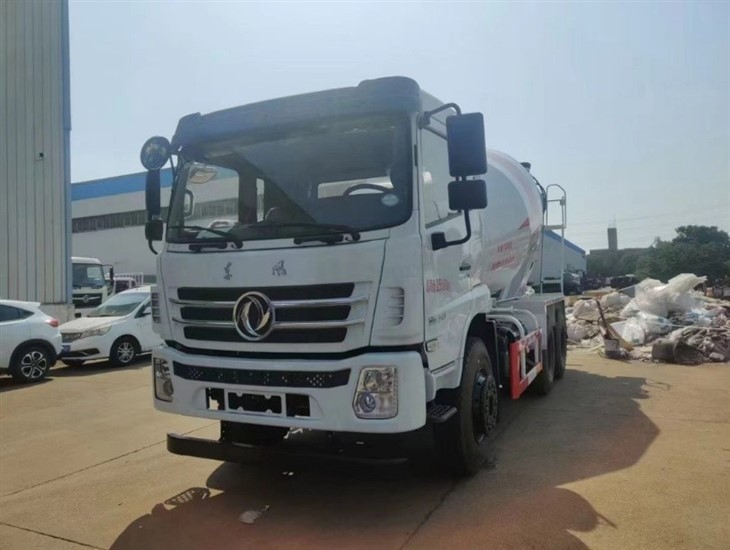
If you're interested in learning more about our Concrete Agi Truck or other concrete mixer trucks, please feel free to contact us. We're always happy to answer your questions and provide you with more information.

References
- "Noise Control in Construction Equipment" - Construction Equipment Magazine
- "Engine Noise Reduction Techniques" - SAE International
- "Transmission Noise and Vibration" - ASME Journal of Mechanical Design


