


When it comes to sewage trucks, one of the most significant considerations is the capacity. As a sewage truck supplier, I've witnessed firsthand how the difference in capacity can impact various aspects of sewage management. In this blog, I'll delve into the key differences between small - capacity and large - capacity sewage trucks, helping you make an informed decision when it comes to procurement.
Design and Structure
Small - capacity sewage trucks are typically more compact in design. Their smaller size allows for greater maneuverability, which is crucial in urban areas with narrow streets, alleys, or areas with limited access. For instance, in old city centers where the infrastructure is not designed for large vehicles, a small - capacity sewage truck can easily navigate through tight spaces to reach septic tanks or small - scale sewage collection points.
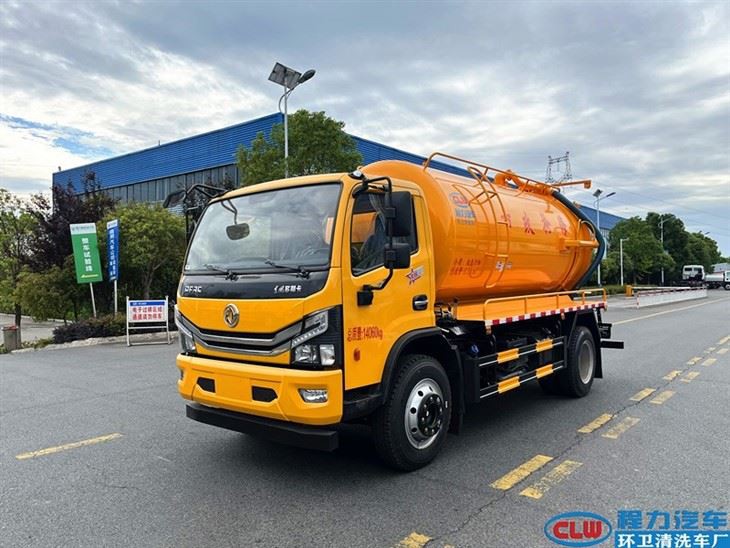
On the other hand, large - capacity sewage trucks are built with a more robust structure. They have larger tanks and more powerful engines to support the transportation of a greater volume of sewage. The chassis of these trucks is often reinforced to handle the additional weight. This means that they are generally larger in size and require more space for operation, including wider roads for turning and larger parking areas.
Capacity and Efficiency
The most obvious difference between the two types of sewage trucks is their capacity. Small - capacity sewage trucks usually have a tank volume ranging from 2 to 5 cubic meters. They are suitable for small - scale sewage collection tasks, such as servicing individual homes, small businesses, or rural areas with low sewage production. For example, in a rural village where the population is small and the sewage generation is relatively low, a small - capacity sewage truck can efficiently collect and transport the sewage without the need for a large - scale vehicle.
Large - capacity sewage trucks, however, can have tank volumes of 10 cubic meters or more. They are designed for large - scale sewage management projects, such as collecting sewage from industrial areas, large residential complexes, or municipal sewage systems. The advantage of a large - capacity truck is that it can cover a larger area and collect more sewage in a single trip. This reduces the number of trips required, saving time and fuel costs in the long run. For a large industrial park with a high volume of sewage production, a large - capacity sewage truck can significantly improve the efficiency of sewage collection and transportation.
Cost Considerations
In terms of upfront cost, small - capacity sewage trucks are generally more affordable. They require less material and simpler technology, which translates to a lower purchase price. This makes them an attractive option for small - scale operators or those on a tight budget. Additionally, the maintenance cost of small - capacity trucks is usually lower as well, as they have fewer components and less complex systems.
Large - capacity sewage trucks, on the other hand, come with a higher upfront cost. The larger tank, more powerful engine, and reinforced structure all contribute to the increased price. However, when considering the long - term cost, large - capacity trucks can be more cost - effective for large - scale operations. As mentioned earlier, their ability to collect more sewage in a single trip reduces the overall fuel and labor costs associated with multiple trips.
Application Scenarios
Small - capacity sewage trucks are ideal for niche applications. They can be used for emergency sewage cleanup, such as after a flood or a sewage spill in a small area. Their compact size allows them to quickly reach the affected area and start the cleanup process. They are also commonly used in areas where the sewage volume is sporadic or unpredictable, such as in some tourist areas where the population fluctuates seasonally.
Large - capacity sewage trucks are better suited for regular and high - volume sewage collection. They are the workhorses of municipal sewage departments, industrial waste management companies, and large - scale sanitation projects. For example, in a big city, large - capacity sewage trucks are used to collect sewage from thousands of households and commercial establishments on a daily basis.
Environmental Impact
From an environmental perspective, both types of sewage trucks have their pros and cons. Small - capacity sewage trucks, due to their smaller engines and lower fuel consumption per trip, may have a relatively lower carbon footprint for small - scale operations. However, if multiple trips are required to collect the same amount of sewage as a large - capacity truck, the overall environmental impact may increase.
Large - capacity sewage trucks, while consuming more fuel per trip, can reduce the total number of trips, which may result in a lower overall carbon footprint for large - scale sewage collection. Additionally, modern large - capacity sewage trucks are often equipped with advanced emission control systems to minimize their environmental impact.
Technical Features
Small - capacity sewage trucks usually come with basic technical features. They are equipped with a vacuum pump to suck up the sewage into the tank, and a simple discharge system to empty the tank at the treatment facility. The control systems are relatively straightforward, making them easy to operate for inexperienced drivers.
Large - capacity sewage trucks, on the other hand, are often equipped with more advanced technical features. They may have a more powerful vacuum pump to ensure efficient sewage collection, even from deep - seated sewage sources. Some large - capacity trucks also come with advanced monitoring systems that can track the level of sewage in the tank, the performance of the engine, and other important parameters. This allows for better management and maintenance of the vehicle.
Mobility and Accessibility
As mentioned earlier, small - capacity sewage trucks offer excellent mobility and accessibility. They can reach areas that are difficult for large vehicles to access, such as the backyards of houses or small alleys in urban areas. This makes them a versatile option for various sewage collection tasks.
Large - capacity sewage trucks, while less mobile in tight spaces, are designed for long - distance transportation. They have a higher cruising range and can travel between different sewage collection points and treatment facilities without the need for frequent refueling. This makes them suitable for large - scale sewage management projects that cover a wide geographical area.
Conclusion
In conclusion, the choice between a small - capacity and large - capacity sewage truck depends on various factors, including the scale of the sewage management project, the geographical location, the budget, and the specific requirements. As a sewage truck supplier, I understand the importance of matching the right vehicle to the right application.
If you are dealing with small - scale sewage collection tasks, a small - capacity sewage truck may be the best choice. It offers affordability, maneuverability, and simplicity. However, for large - scale sewage management projects, a large - capacity sewage truck can provide greater efficiency, cost - effectiveness, and advanced features.
If you are interested in learning more about our sewage trucks or would like to discuss your specific needs, please feel free to contact us. We are committed to providing you with the best sewage truck solutions. You can also visit our website to explore our Sewage Vacuum Truck product range.

References
- Industry reports on sewage management and sewage truck technology
- Case studies of small - and large - scale sewage collection projects
- Interviews with sewage truck operators and industry experts


