


As a supplier of LPG tanker trucks, I understand the critical importance of insurance requirements for these specialized vehicles. LPG (liquefied petroleum gas) is a highly flammable and potentially hazardous substance, and transporting it safely requires not only well - maintained equipment but also comprehensive insurance coverage. In this blog, I will delve into the various insurance requirements for LPG tanker trucks, which are essential for both the safety of the public and the protection of the business.
Liability Insurance
Liability insurance is the cornerstone of insurance for LPG tanker trucks. It provides coverage in case the tanker is involved in an accident that causes bodily injury or property damage to third parties. Given the nature of LPG, the potential for large - scale damage in an accident is significant. For example, if a tanker truck were to be involved in a collision and the LPG were to leak and catch fire, it could cause extensive damage to nearby buildings, vehicles, and harm to individuals in the vicinity.
There are two main types of liability insurance: bodily injury liability and property damage liability. Bodily injury liability insurance covers the medical expenses, lost wages, and pain and suffering of individuals who are injured in an accident caused by the LPG tanker truck. Property damage liability insurance, on the other hand, pays for the repair or replacement of damaged property, such as other vehicles, buildings, or infrastructure.
The amount of liability insurance required for LPG tanker trucks varies by jurisdiction. In many regions, the minimum liability limits are set by law. However, it is often advisable for LPG tanker truck operators to carry higher limits than the minimum requirements. This is because a major accident involving an LPG tanker can result in extremely high costs, and insufficient liability coverage could leave the operator financially vulnerable.
Cargo Insurance
Cargo insurance is another crucial aspect of insuring LPG tanker trucks. It protects the value of the LPG being transported in case of loss or damage. There are several scenarios where cargo insurance would come into play. For instance, if the tanker is damaged in an accident and the LPG is spilled or lost, cargo insurance would reimburse the value of the lost product.
The coverage of cargo insurance typically includes damage caused by accidents, theft, and natural disasters. When insuring LPG, it is important to ensure that the policy covers the full value of the cargo. The value of LPG can fluctuate based on market prices, so the insurance amount should be regularly reviewed and adjusted to reflect the current value of the cargo.
Physical Damage Insurance
Physical damage insurance covers the LPG tanker truck itself in case of damage or loss. This type of insurance can be divided into two main categories: collision and comprehensive coverage.
Collision coverage pays for the repair or replacement of the tanker truck if it is damaged in a collision with another vehicle or object. For example, if the tanker hits a guardrail or is involved in a rear - end collision, collision coverage would cover the costs of repairing the vehicle.
Comprehensive coverage, on the other hand, provides protection against non - collision events. This includes damage caused by fire, theft, vandalism, natural disasters (such as floods, hurricanes, or earthquakes), and animal collisions. Given the high cost of LPG tanker trucks, physical damage insurance is essential to ensure that the operator can afford to repair or replace the vehicle in case of damage.
Pollution Liability Insurance
LPG is a hazardous substance, and a spill or leak can have serious environmental consequences. Pollution liability insurance is designed to cover the costs associated with cleaning up a spill, as well as any damages caused to the environment. This includes the cost of removing the spilled LPG from the ground, water, or air, and restoring the affected area to its original condition.
Pollution liability insurance also covers legal liability in case of claims related to environmental damage. For example, if a spill from an LPG tanker truck contaminates a nearby water source and causes harm to wildlife or affects the health of local residents, the operator could be held legally responsible. Pollution liability insurance would cover the legal defense costs and any settlements or judgments awarded to the claimants.
Equipment Breakdown Insurance
LPG tanker trucks are complex pieces of equipment that rely on various systems to operate safely. Equipment breakdown insurance provides coverage for the repair or replacement of mechanical, electrical, or electronic components of the tanker truck. This includes the engine, pumps, valves, and other critical parts.
If a key component of the tanker truck breaks down, it can not only disrupt the transportation operations but also pose a safety risk. For example, a malfunctioning valve could lead to a leak of LPG. Equipment breakdown insurance ensures that the operator can quickly repair the damaged equipment and get the tanker back on the road as soon as possible.
Insurance Considerations for Our LPG Tanker Trucks
At our company, we offer a range of high - quality LPG tanker trucks, such as the Dongfeng Jincheng 13.4 Cubic Oil Tanker, Dongfeng Furika 9.9 Cubic Meter Tank Truck, and 9.8 Cubic Meter Tank Truck. When purchasing one of our tanker trucks, it is important for our customers to consider the insurance requirements carefully.
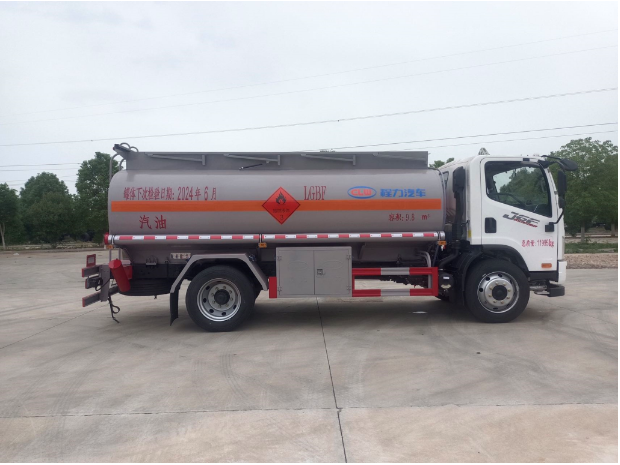

We recommend that our customers work with an experienced insurance broker who specializes in commercial trucking insurance. An experienced broker can help the customers understand the different types of insurance available, and tailor a policy that meets their specific needs. They can also assist in finding the best insurance rates and ensuring that the policy provides adequate coverage.
Conclusion
Insuring an LPG tanker truck is a complex process that requires careful consideration of various factors. Liability insurance, cargo insurance, physical damage insurance, pollution liability insurance, equipment breakdown insurance are all essential components of a comprehensive insurance program. As a supplier of LPG tanker trucks, we are committed to helping our customers understand these insurance requirements and make informed decisions.
If you are interested in purchasing an LPG tanker truck or have any questions about insurance requirements, please feel free to contact us. We are here to provide you with the best solutions for your transportation needs.
References
- Insurance Information Institute. (2023). Commercial Auto Insurance.
- Federal Motor Carrier Safety Administration. (2023). Insurance Requirements for Motor Carriers.
- National Fire Protection Association. (2023). NFPA 58: Liquefied Petroleum Gas Code.


