


As a supplier of refrigerated trucks, I've witnessed firsthand the challenges and potential problems that can arise with these specialized vehicles. Refrigerated trucks play a crucial role in transporting perishable goods, ensuring that products like food, pharmaceuticals, and other temperature - sensitive items reach their destination in optimal condition. However, they are not without their issues. In this blog, I'll delve into some of the potential problems that owners and operators of refrigerated trucks may encounter.
1. Refrigeration System Failures
The heart of any refrigerated truck is its refrigeration system. A malfunction in this system can spell disaster for the cargo. There are several reasons why a refrigeration system might fail.
One common problem is refrigerant leaks. Refrigerants are essential for the cooling process. Over time, the seals and connections in the refrigeration system can wear out, allowing the refrigerant to escape. When the refrigerant level drops, the system loses its ability to cool effectively. This can lead to a rise in the temperature inside the truck, putting the cargo at risk. For example, if a truck is carrying fresh produce, a small temperature increase can accelerate spoilage, leading to significant losses for the shipper.
Another issue is compressor failure. The compressor is responsible for circulating the refrigerant through the system. If it breaks down, the entire refrigeration process comes to a halt. Compressor failures can be caused by factors such as overheating, electrical problems, or mechanical wear and tear. Regular maintenance can help prevent compressor failures, but they can still occur unexpectedly.
Thermostat problems are also a concern. The thermostat regulates the temperature inside the truck. If it malfunctions, the refrigeration system may not turn on or off at the appropriate times, resulting in inconsistent temperatures. For instance, a faulty thermostat might keep the refrigeration system running continuously, leading to excessive energy consumption and unnecessary wear on the equipment.
2. Insulation Issues
Proper insulation is vital for maintaining a stable temperature inside a refrigerated truck. If the insulation is damaged or inadequate, heat can seep into the cargo area, causing the temperature to rise.
Physical damage to the insulation can occur during loading and unloading operations. Forklifts or other equipment can accidentally puncture or tear the insulation material. Once the insulation is compromised, it loses its effectiveness, and the refrigeration system has to work harder to maintain the desired temperature. This not only increases energy consumption but also puts additional stress on the system, increasing the likelihood of breakdowns.
In some cases, the insulation may degrade over time due to exposure to moisture, chemicals, or extreme temperatures. Moisture can cause the insulation to become saturated, reducing its insulating properties. Chemicals, such as cleaning agents used to sanitize the truck, can also damage the insulation material. Extreme temperatures can cause the insulation to expand and contract, leading to cracks and gaps.
3. Electrical Problems
Refrigerated trucks rely heavily on electrical systems to power the refrigeration unit, lights, and other components. Electrical problems can disrupt the normal operation of the truck.
Loose connections are a common electrical issue. Vibration from the truck's movement can cause wires to become loose over time. A loose connection can lead to intermittent power supply, which can affect the performance of the refrigeration system. For example, if the power supply to the compressor is interrupted, the cooling process will be disrupted.
Battery problems can also be a headache. A weak or dead battery can prevent the refrigeration unit from starting or cause it to shut down unexpectedly. Batteries can lose their charge due to age, improper charging, or excessive power consumption. In addition, corrosion on the battery terminals can interfere with the electrical connection, reducing the battery's efficiency.
Faulty wiring is another potential problem. Wiring can become damaged due to abrasion, heat, or rodents chewing on the wires. A short circuit in the wiring can not only damage the electrical components but also pose a fire hazard.
4. Structural Damage
The structure of a refrigerated truck can be subject to various forms of damage, which can affect its performance and safety.
Collision damage is one of the most obvious forms of structural damage. Even a minor collision can cause misalignment of the truck's body, which can lead to problems with the doors, seals, and insulation. If the doors do not close properly, cold air can escape, and warm air can enter the cargo area. Misaligned seals can also allow moisture to enter, leading to rust and corrosion.

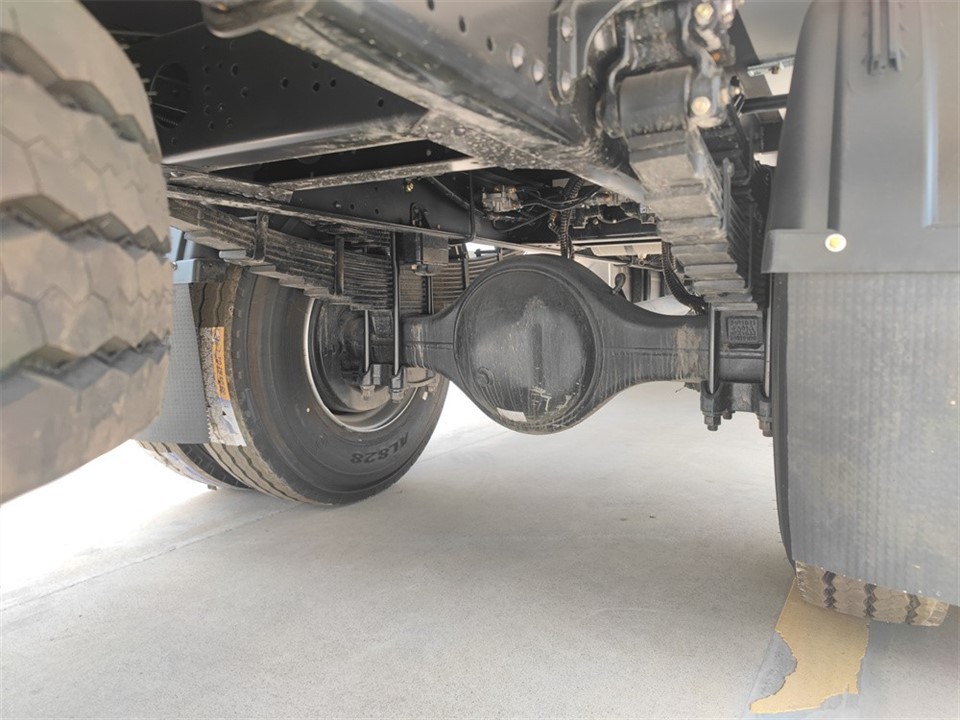
Rust and corrosion are common problems, especially in areas where the truck is exposed to saltwater or harsh chemicals. Rust can weaken the structural integrity of the truck, making it more prone to further damage. Corrosion can also affect the performance of the refrigeration system by damaging the metal components.
Overloading the truck can also cause structural damage. Exceeding the truck's weight capacity can put excessive stress on the frame, axles, and suspension. This can lead to cracks, bends, or even complete failure of these components.
5. Maintenance and Service Neglect
One of the biggest potential problems with refrigerated trucks is the neglect of maintenance and service. Regular maintenance is essential for keeping the truck in good working condition and preventing many of the problems mentioned above.
Some operators may skip or delay maintenance tasks to save time and money. However, this short - term savings can lead to much larger expenses in the long run. For example, failing to change the air filters in the refrigeration system can reduce the system's efficiency and increase the risk of compressor failure.
Lack of proper training for the operators can also contribute to maintenance neglect. If the operators do not know how to perform basic maintenance tasks or recognize the signs of a problem, they may not take appropriate action in a timely manner.
6. Regulatory Compliance Issues
Refrigerated trucks are subject to various regulations regarding temperature control, food safety, and emissions. Failure to comply with these regulations can result in fines, legal issues, and damage to the company's reputation.
For example, in the food industry, strict temperature control requirements are in place to ensure the safety of the products. If a refrigerated truck fails to maintain the required temperature during transportation, the food may be considered unsafe for consumption. This can lead to product recalls, which can be extremely costly for the shipper.
Emissions regulations are also becoming increasingly strict. Refrigerated trucks are required to meet certain emission standards to reduce their environmental impact. Non - compliance with these standards can result in penalties and restrictions on the truck's operation.
Conclusion
While refrigerated trucks are essential for transporting perishable goods, they come with a range of potential problems. From refrigeration system failures and insulation issues to electrical problems and regulatory compliance issues, there are many factors that can affect the performance and reliability of these vehicles.
As a supplier, we offer a range of high - quality refrigerated trucks, such as the Dongfeng Tianjin KR Refrigerated Cargo Van and the 6.8m Refrigerated Cargo Van, which are designed to minimize these problems. However, it's important for owners and operators to be aware of these potential issues and take proactive measures to prevent them.
Regular maintenance, proper training, and compliance with regulations are key to ensuring the smooth operation of refrigerated trucks. If you're in the market for a reliable refrigerated truck or need advice on how to maintain your existing one, don't hesitate to contact us for more information and to start a procurement discussion.
References
- American Trucking Associations. (2023). Refrigerated Trucking Industry Report.
- Federal Motor Carrier Safety Administration. (2023). Regulations for Refrigerated Trucks.
- Society of Automotive Engineers. (2023). Standards for Refrigerated Truck Design and Maintenance.


