


Hey there! As a supplier of concrete mixer trucks, I've seen firsthand how important it is to follow safety precautions when operating these beasts. In this blog, I'll share some key safety tips to keep you and your crew safe on the job.
Pre - operation Checks
Before you even start the engine of your concrete mixer truck, there are a bunch of checks you need to do. First off, take a good look at the tires. Make sure they're properly inflated and there are no signs of excessive wear or damage. A flat tire or a blowout can be a major headache on the road, not to mention dangerous. You don't want to be stuck in the middle of nowhere with a load of wet concrete.
Next, check the brakes. The brakes on a concrete mixer truck are crucial for stopping safely, especially when you're carrying a heavy load. Test the brake pedal to make sure it feels firm and responsive. If you notice any sponginess or if the pedal goes all the way to the floor, that's a big red flag. You'll need to get the brakes checked out by a professional before hitting the road.
Also, take a look at the mixer drum. Check for any cracks or signs of damage. The drum is where the concrete is mixed, so it needs to be in good condition. Make sure the drum rotates smoothly and there are no strange noises. If you hear any grinding or rattling, it could mean there's a problem with the drum's bearings or other components.
On - the - Road Safety
Once you've completed all the pre - operation checks and you're on the road, there are a few things to keep in mind. First, remember that a concrete mixer truck is a large and heavy vehicle. It takes longer to stop than a regular car, so you need to give yourself plenty of space between you and the vehicle in front. Keep a safe following distance, especially when driving on wet or slippery roads.
When turning, be extra careful. The long body of the mixer truck can make it difficult to maneuver, especially in tight spaces. Make wide turns and use your turn signals well in advance. And don't forget to check your mirrors frequently to make sure there are no other vehicles or pedestrians in your blind spots.
Another important thing is to avoid sudden stops or starts. The concrete in the drum is heavy, and sudden movements can cause it to shift, which can affect the stability of the truck. Try to drive smoothly and anticipate stops and starts.
Loading and Unloading
Loading and unloading concrete is a critical part of the job, and it also comes with its own set of safety risks. When loading the mixer truck, make sure the loading area is clean and free of debris. The chute should be properly positioned to ensure that the concrete goes into the drum smoothly.
During unloading, make sure the area is clear of people and obstacles. The concrete can come out of the chute with a lot of force, so you don't want anyone to get in the way. Also, be careful when using the controls to operate the chute. Make sure you understand how the controls work and follow the manufacturer's instructions.
Maintenance and Inspection
Regular maintenance and inspection are essential for the safe operation of a concrete mixer truck. You should have a maintenance schedule in place and stick to it. This includes things like changing the oil, checking the filters, and lubricating the moving parts.
In addition to regular maintenance, you should also conduct daily inspections. Check the hoses, belts, and electrical connections for any signs of wear or damage. If you notice any problems, address them immediately. Don't wait until something breaks down to take action.
Personal Protective Equipment (PPE)
Wearing the right personal protective equipment is a must when operating a concrete mixer truck. This includes things like hard hats, safety glasses, gloves, and steel - toed boots. Hard hats protect your head from falling objects, while safety glasses keep your eyes safe from dust and debris. Gloves provide a better grip and protect your hands from cuts and burns, and steel - toed boots protect your feet from heavy objects.
Training and Certification
All operators of concrete mixer trucks should receive proper training and certification. Training should cover everything from basic operation of the truck to safety procedures. A well - trained operator is less likely to make mistakes and more likely to operate the truck safely.
Our Concrete Mixer Trucks
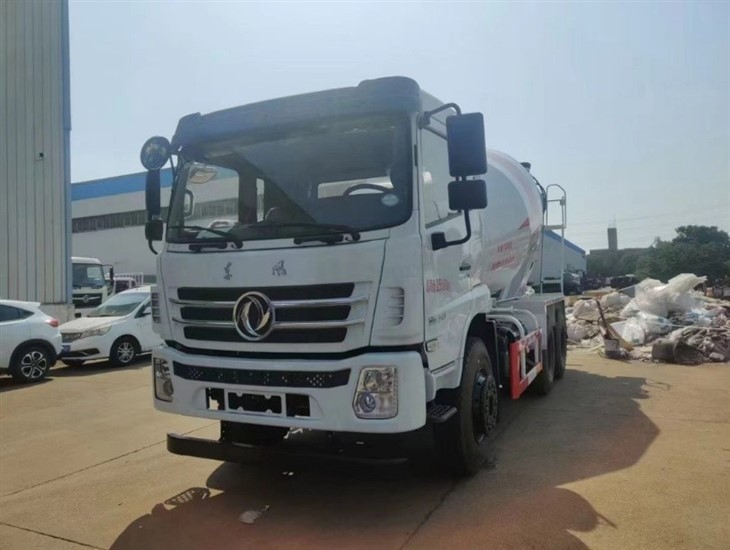
At our company, we offer a range of high - quality concrete mixer trucks, including the Concrete Agi Truck and the Dongfeng D17 Engineering Mixer Truck. These trucks are designed with safety in mind, with features like reliable brakes, sturdy tires, and well - built mixer drums.
If you're in the market for a concrete mixer truck, we'd love to talk to you. Whether you're a small construction company or a large contractor, we can help you find the right truck for your needs. Contact us to start the procurement and negotiation process. We're here to make sure you get the best value for your money and a truck that will serve you well for years to come.

References
- Construction Equipment Safety Manuals
- Concrete Mixer Truck Manufacturer Guidelines


