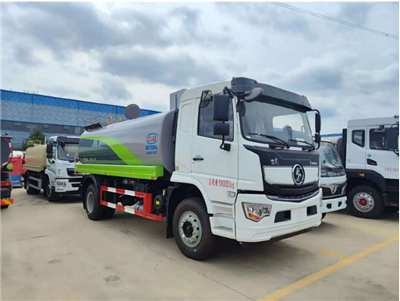
Hey there! As a sewage truck supplier, I often get asked about the difference between a sewage truck and a vacuum truck. It's a common question, and I'm here to break it down for you in a way that's easy to understand.
Let's start with the basics. A sewage truck, as the name suggests, is mainly used for dealing with sewage. Sewage is a mixture of wastewater from homes, businesses, and industrial sources. It contains all sorts of stuff like human waste, food scraps, and chemicals. Sewage trucks are designed to collect, transport, and dispose of this sewage safely and efficiently.
On the other hand, a vacuum truck is a more general - purpose vehicle. It uses a powerful vacuum system to suck up various types of materials. These materials can range from liquids, like sewage, but also include things like mud, sand, sludge, and even some solid debris. Vacuum trucks are often used in a wider variety of industries and applications.
Design and Structure
One of the key differences between the two lies in their design and structure. Sewage trucks are typically built with a large, enclosed tank specifically designed to hold sewage. The tank is usually made of durable materials like steel or fiberglass to prevent leaks and corrosion. The tank has an inlet for the sewage to enter and an outlet for emptying.
The pumping system on a sewage truck is optimized for handling the thick and often smelly sewage. It has a powerful pump that can suck up the sewage from septic tanks, sewer lines, or other collection points. The pump needs to be able to handle the solids and liquids in the sewage without getting clogged easily.
Vacuum trucks, however, can have a more diverse design. They might have different types of tanks depending on what they're going to be used for. For example, if they're used in an industrial setting to collect chemicals, the tank will be made of materials that are resistant to those chemicals.
The vacuum system on a vacuum truck is extremely powerful. It can create a strong suction force to pull in materials from a distance. Some vacuum trucks even have long hoses that can reach into hard - to - access areas. The hoses can be adjusted to different lengths and diameters depending on the job.
Applications
Sewage trucks are mainly used in the sanitation industry. Their primary job is to clean out septic tanks. Septic tanks are underground containers that collect and treat sewage from homes and small businesses that aren't connected to a municipal sewer system. Over time, the solids in the sewage settle at the bottom of the tank, and the liquids flow out. Sewage trucks come in to pump out the accumulated solids and sludge, preventing the tank from overflowing and causing environmental and health problems.
They're also used for cleaning sewer lines. When sewer lines get blocked with debris, roots, or other materials, sewage trucks can be used to remove the blockage. The powerful pump can flush out the blockage and suck it up into the tank.
Vacuum trucks have a much broader range of applications. In the construction industry, they're used to clean up construction sites. They can suck up mud, dirt, and debris left behind after excavation or demolition work. This helps keep the site clean and safe.
In the oil and gas industry, vacuum trucks are used to collect oil spills and contaminated water. They can quickly and efficiently clean up the mess, reducing the environmental impact.
In the manufacturing industry, they can be used to collect waste materials from production processes. For example, in a food processing plant, they can suck up leftover food particles and wastewater.
Capacity and Efficiency
Sewage trucks usually have a relatively large capacity. Since they're dealing with large volumes of sewage, they need to be able to hold a significant amount before they need to make a trip to the disposal site. The capacity can range from a few thousand liters to over ten thousand liters, depending on the size of the truck.
The efficiency of a sewage truck is measured by how quickly it can pump out the sewage. A good sewage truck can pump out a septic tank in a relatively short time, minimizing the disruption to the customer.
Vacuum trucks' capacity can vary widely depending on their application. Some small - scale vacuum trucks used for light - duty jobs might have a capacity of just a few hundred liters. On the other hand, large industrial vacuum trucks can have capacities similar to or even larger than sewage trucks.
The efficiency of a vacuum truck is related to its suction power. A more powerful vacuum can suck up materials faster, reducing the time needed to complete a job.
Cost and Maintenance
Sewage trucks can be quite expensive to purchase. The cost includes not only the vehicle itself but also the specialized pumping and tank systems. However, they're a necessary investment for sanitation companies as they're essential for their day - to - day operations.
Maintenance of sewage trucks is also crucial. The tank needs to be cleaned regularly to prevent the buildup of solids and bacteria. The pumping system requires regular servicing to ensure it's working properly. Filters need to be replaced to prevent clogs.
Vacuum trucks can also be costly, especially those with high - end features and powerful vacuum systems. The cost can vary depending on the size, capacity, and the type of materials they're designed to handle.
Maintenance of vacuum trucks is also important. The vacuum system needs to be checked regularly for leaks and to ensure the suction power is consistent. The hoses and other components also need to be inspected and replaced as needed.
If you're in the market for a sewage truck, you might be interested in our Sewage Vacuum Truck. It's a top - of - the - line product that combines high capacity, powerful pumping, and easy maintenance. Whether you're a small - scale sanitation business or a large - scale industrial operation, our sewage trucks can meet your needs.
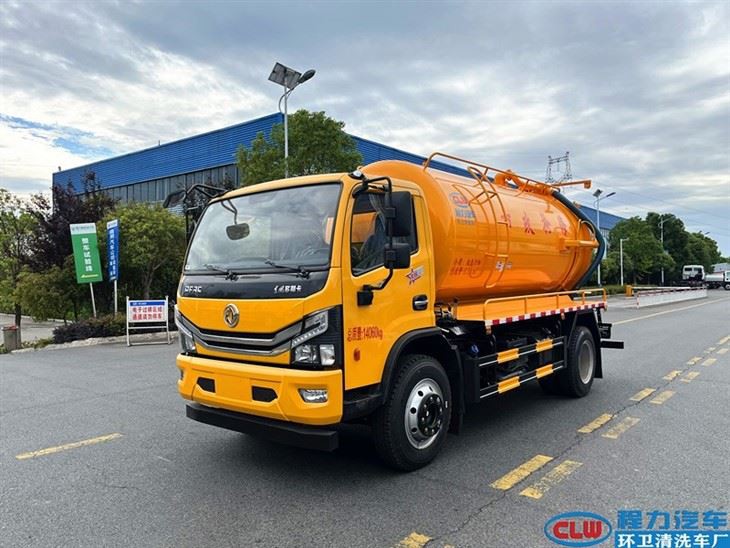

If you have any questions about our sewage trucks or want to discuss a potential purchase, don't hesitate to reach out. We're here to help you find the right solution for your business.
References
- "Sanitation Truck Handbook": A comprehensive guide on the design, operation, and maintenance of sewage and vacuum trucks.
- Industry reports from the sanitation and construction sectors on the use and performance of different types of trucks.