


A foam fire truck is a specialized vehicle designed to combat fires, particularly those involving flammable liquids. One of the critical components of a foam fire truck is its filtration system. As a leading supplier of Foam Fire Truck, I am well - versed in the intricacies of these filtration systems, and I'm excited to share this knowledge with you.
The Basic Function of the Filtration System
The primary function of the filtration system on a foam fire truck is to ensure the purity and proper functioning of the foam and water used in firefighting operations. Impurities in the water or foam concentrate can cause significant problems. For example, debris, sediment, or contaminants in the water can clog the nozzles, hoses, and pumps of the fire truck. This not only reduces the efficiency of the firefighting equipment but can also lead to mechanical failures, putting firefighters and the public at risk.
The filtration system removes these unwanted particles, allowing the foam and water to flow smoothly through the system. It also helps to maintain the quality of the foam. Foam is a crucial element in firefighting as it can smother fires, cool the surrounding area, and prevent re - ignition. Contaminants in the foam can degrade its performance, reducing its ability to extinguish fires effectively.
Types of Filters Used in Foam Fire Trucks
Sediment Filters
Sediment filters are the first line of defense in the filtration system. These filters are designed to remove large particles such as sand, dirt, and rust from the water. They typically use a porous material, such as a mesh or a cartridge, to trap the sediment. Sediment filters are usually installed at the intake of the water supply on the fire truck. This ensures that the water entering the system is relatively clean and free of large debris.
Carbon Filters
Carbon filters are used to remove organic contaminants, such as chlorine, pesticides, and other chemicals, from the water. Chlorine, for example, can react with the foam concentrate, altering its chemical properties and reducing its effectiveness. Carbon filters work by adsorbing these contaminants onto the surface of the carbon. The large surface area of the carbon provides a high capacity for adsorption, allowing it to remove a significant amount of contaminants from the water.
Microbial Filters
Microbial filters are essential for preventing the growth of bacteria, fungi, and other microorganisms in the water and foam system. Microorganisms can cause blockages in the system, produce unpleasant odors, and even damage the equipment. Microbial filters use a fine - pore membrane to trap the microorganisms, preventing them from passing through the system. These filters are often used in combination with chemical disinfectants to ensure the complete elimination of microbial contamination.
Filtration System Maintenance
Proper maintenance of the filtration system is crucial to ensure its continued effectiveness. Filters need to be regularly inspected and replaced when they become clogged or worn out. Sediment filters, for example, may need to be replaced every few months, depending on the quality of the water source. Carbon filters typically have a shorter lifespan and may need to be replaced more frequently.
In addition to filter replacement, the entire filtration system should be cleaned periodically. This involves flushing the system with clean water to remove any accumulated debris or contaminants. Regular maintenance not only ensures the proper functioning of the filtration system but also extends the lifespan of the fire truck's equipment.
The Role of Filtration in Foam Quality
The quality of the foam produced by a foam fire truck is directly related to the effectiveness of the filtration system. High - quality foam has the right consistency, stability, and expansion ratio. Contaminants in the water or foam concentrate can disrupt these properties, resulting in poor - quality foam.
For example, if the water contains a high level of sediment, the foam may have a gritty texture, which can reduce its ability to adhere to surfaces and smother fires. Similarly, chemical contaminants can cause the foam to break down more quickly, reducing its longevity and effectiveness. By removing these contaminants, the filtration system helps to produce high - quality foam that can effectively extinguish fires.
Our Foam Fire Trucks and Filtration Systems
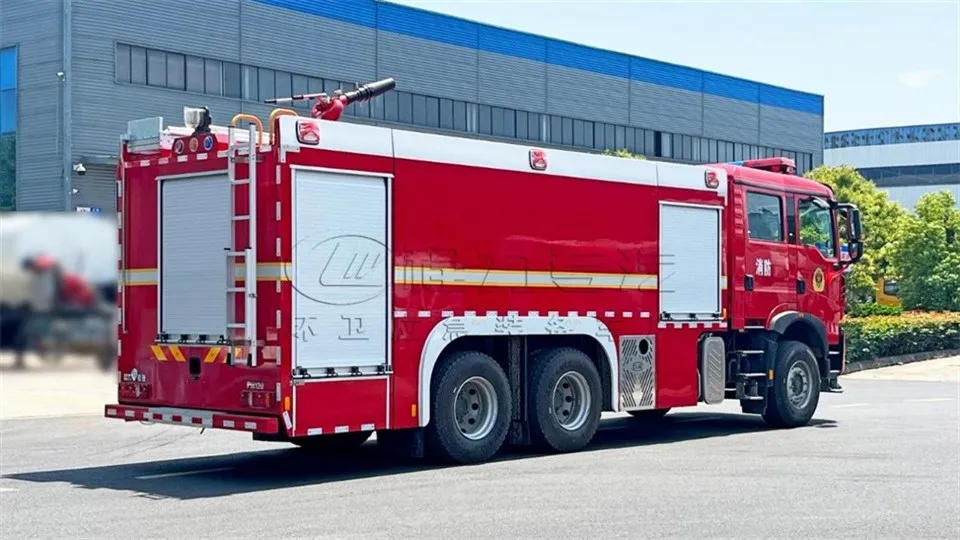
At our company, we take pride in providing foam fire trucks with state - of - the - art filtration systems. Our Sinotruk HOWO 16 - ton Pumper - Tanker is a prime example of our commitment to quality and innovation. This fire truck is equipped with a comprehensive filtration system that includes sediment filters, carbon filters, and microbial filters.
The filtration system in our fire trucks is designed to be easy to maintain, with accessible filter cartridges and a simple flushing mechanism. We also offer training and support to our customers on how to properly maintain the filtration system, ensuring that their fire trucks are always in top - notch condition.
Conclusion
The filtration system on a foam fire truck is a critical component that plays a vital role in the effectiveness of firefighting operations. It ensures the purity of the water and foam, prevents equipment damage, and produces high - quality foam. As a leading supplier of Foam Fire Truck, we understand the importance of a reliable filtration system.
If you are in the market for a foam fire truck or need to upgrade your existing filtration system, we invite you to contact us for a detailed discussion. Our team of experts is ready to provide you with the best solutions tailored to your specific needs. Whether you are a fire department, an industrial facility, or any other organization in need of firefighting equipment, we can help you find the perfect foam fire truck with a top - quality filtration system.

References
- "Firefighting Foam Handbook" by the National Fire Protection Association
- "Vehicle Maintenance and Repair Manual" for foam fire trucks


