


Hey there! As a supplier of sewage trucks, I've always been fascinated by the history of these incredibly useful vehicles. Sewage trucks, also known as vacuum trucks, have come a long way since their inception. Let's take a deep - dive into their past.
Early Beginnings
The need for sewage removal has been around for as long as humans have lived in settlements. In ancient times, waste management was a basic and often unpleasant task. People had to manually collect and dispose of human waste, which was not only time - consuming but also a major health hazard.
Fast forward to the 19th century, and things started to change. The Industrial Revolution brought about significant advancements in technology. With the growth of cities, the volume of sewage increased exponentially. This led to the development of early sewage disposal methods. One of the first steps was the use of horse - drawn carts to collect sewage. These carts were basic containers that were filled with sewage and then transported to disposal sites. However, this method was limited in capacity and efficiency.
The Birth of Vacuum Technology
The real game - changer in the history of sewage trucks was the invention of vacuum technology. In the early 20th century, the concept of using vacuum pressure to suck up liquids and solids was developed. This technology was initially used in industrial applications, but it didn't take long for it to be adapted for sewage removal.
The first sewage vacuum trucks were large, cumbersome machines. They were often built on heavy - duty truck chassis and were powered by large engines. The vacuum system was a complex setup of pumps and hoses that could create enough suction to lift sewage from underground pipes and septic tanks. These early trucks were a significant improvement over the horse - drawn carts, as they could collect larger volumes of sewage in a shorter amount of time.
Post - World War II Developments
After World War II, there was a boom in the construction of new homes and infrastructure. This led to an increased demand for sewage trucks. Manufacturers started to focus on improving the design and functionality of these vehicles. The trucks became more compact, easier to operate, and more reliable.
One of the major advancements during this period was the development of more efficient vacuum pumps. These pumps could generate higher levels of suction, allowing the trucks to clean deeper and more stubborn blockages in sewage pipes. Additionally, the tanks on the trucks were redesigned to be more durable and corrosion - resistant, which extended the lifespan of the vehicles.
Modern - Day Sewage Trucks
Today, sewage trucks are highly sophisticated machines. They are equipped with state - of the - art technology that makes sewage removal a much safer and more efficient process. For example, many modern sewage trucks have automated controls that allow the operator to adjust the vacuum pressure and the flow of sewage with just a few clicks of a button.
The materials used in the construction of sewage trucks have also improved significantly. High - strength steel and lightweight composites are now commonly used, which reduces the weight of the vehicle while maintaining its structural integrity. This, in turn, improves fuel efficiency and reduces operating costs.
Another important development is the integration of environmental protection features. Modern sewage trucks are designed to minimize the release of harmful pollutants during the sewage collection and disposal process. For instance, they are equipped with filters and treatment systems that can remove solids and contaminants from the sewage before it is discharged.
The Role of Sewage Trucks in Public Health
Sewage trucks play a crucial role in maintaining public health. By removing sewage from homes, businesses, and public facilities, they prevent the spread of diseases caused by contaminated water and waste. In areas with poor sewage infrastructure, sewage trucks are often the only means of ensuring proper waste disposal.
Moreover, sewage trucks are essential for the maintenance of sewer systems. They can be used to clean clogged pipes, inspect sewer lines for damage, and perform preventive maintenance. This helps to prevent costly sewer backups and infrastructure failures.
Our Sewage Trucks: A Cut Above the Rest
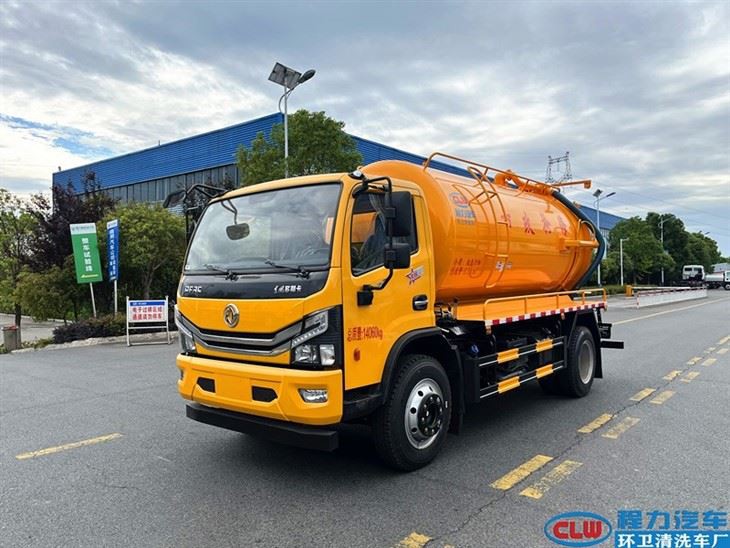
As a sewage truck supplier, we take pride in offering high - quality vehicles that meet the diverse needs of our customers. Our Sewage Vacuum Truck is a prime example of our commitment to innovation and excellence.
Our trucks are built with the latest technology and are designed to be highly efficient and reliable. We understand that our customers rely on our vehicles to get the job done, and we make sure that our sewage trucks can withstand the rigors of daily use. Whether you're a small - scale septic tank service provider or a large municipal waste management company, we have a sewage truck that's right for you.
Why Choose Us?
- Customization: We offer a wide range of customization options for our sewage trucks. You can choose the size of the tank, the type of vacuum system, and other features based on your specific requirements.
- Quality Assurance: Our trucks undergo rigorous quality control tests before they leave our factory. We use only the best materials and components to ensure that our vehicles are built to last.
- After - Sales Support: We provide comprehensive after - sales support to our customers. Our team of experts is available to answer your questions, provide technical assistance, and perform maintenance and repairs on your sewage truck.
Connect with Us for Your Sewage Truck Needs
If you're in the market for a sewage truck, we'd love to hear from you. Whether you have questions about our products, need a quote, or want to discuss your specific requirements, don't hesitate to reach out. We're here to help you find the perfect sewage truck for your business.

References
- “History of Waste Management.” Waste Management Association of Australia.
- “The Development of Vacuum Technology in Industrial Applications.” Journal of Industrial Technology.
- “Advancements in Sewage Truck Design.” International Journal of Sanitation Engineering.


