


Hey there! As a supplier of concrete mixer trucks, I often get asked about all sorts of things related to these machines. One question that comes up quite a bit is, "What is the mixing speed of a concrete mixer truck?" Well, let's dive right into it and break it down.
First off, the mixing speed of a concrete mixer truck is super important. It directly affects the quality of the concrete that gets produced. You see, concrete is made up of cement, water, aggregates (like sand and gravel), and sometimes some additives. And to get a really good - quality concrete, these ingredients need to be mixed thoroughly.
The mixing speed of a concrete mixer truck is usually measured in revolutions per minute (RPM). Most standard concrete mixer trucks have a mixing speed that ranges from about 2 to 18 RPM. Yeah, that's a pretty wide range, and there's a good reason for it.
When the truck is in the loading phase, a slower mixing speed, around 2 - 4 RPM, is often used. This slow speed helps to gently introduce the dry ingredients into the water and start the initial mixing process. It prevents the aggregates from splashing out and also makes sure that the cement starts to dissolve evenly in the water.
Once all the ingredients are loaded, the mixing speed is usually increased to around 6 - 12 RPM. At this speed, the mixer can effectively blend all the components together. The rotating blades inside the drum work to break up any clumps of cement and ensure that the aggregates are coated evenly with the cement - water paste. This is the key to getting a homogeneous mixture, which means that every part of the concrete has the same composition.
As the truck gets closer to the construction site, the mixing speed might be adjusted again. Sometimes, it could be lowered a bit to maintain the mixture without over - mixing. Over - mixing can actually be a bad thing. It can cause the concrete to lose its workability, which means it becomes harder to pour and shape at the construction site.
Now, let's talk about why the mixing speed matters so much. A proper mixing speed ensures that the concrete has the right strength. If the ingredients aren't mixed well, the concrete might have weak spots, which can lead to structural problems down the line. For example, if there are clumps of dry cement in the mixture, those areas won't bond properly with the rest of the concrete, and the overall strength of the structure will be compromised.
Also, the right mixing speed affects the workability of the concrete. Workability is all about how easy it is to handle the concrete. If the concrete is too stiff because of improper mixing, it will be difficult to place it in the forms and smooth it out. On the other hand, if it's too runny, it might not hold its shape as it should.
There are a few factors that can influence the ideal mixing speed. The type of concrete being made is a big one. For example, high - strength concrete might require a different mixing speed compared to regular concrete. High - strength concrete usually has a higher cement content and might need a more intense mixing process to ensure that all the cement particles are fully hydrated.
The size of the aggregates also plays a role. Larger aggregates might need a faster mixing speed to make sure they are properly coated with the cement paste. And the ambient temperature can affect things too. In hot weather, the concrete can start to set faster, so the mixing speed might need to be adjusted to keep the mixture workable.
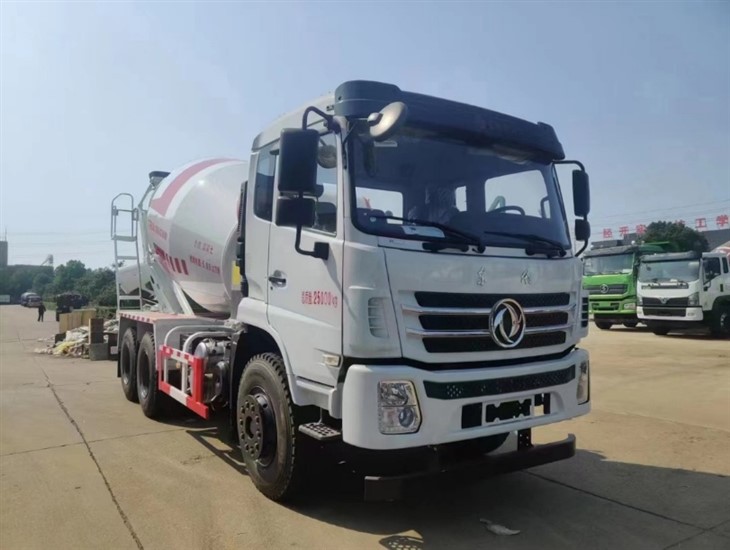
At our company, we offer a variety of concrete mixer trucks, including the Concrete Agi Truck. These trucks are designed with advanced technology to allow for precise control of the mixing speed. Our engineers have worked hard to optimize the mixing process so that you can get the best - quality concrete every time.
The Concrete Agi Truck comes with a state - of - the - art control system. You can easily adjust the mixing speed according to your specific needs. Whether you're making a small batch of concrete for a home project or a large amount for a big construction site, our trucks can handle it.
We also provide training for our customers on how to operate the mixer trucks effectively. Our team of experts can teach you how to set the right mixing speed based on the type of concrete you're making, the environmental conditions, and other factors.
If you're in the market for a reliable concrete mixer truck, you've come to the right place. We understand that every construction project is unique, and we're committed to providing you with the best equipment to meet your needs. Our trucks are built to last, with high - quality materials and components.

So, if you're interested in learning more about our concrete mixer trucks or have any questions about the mixing speed or other aspects of these machines, don't hesitate to reach out. We're here to help you make the right choice for your business. Whether you're a small contractor or a large construction company, we have the perfect solution for you.
Contact us today to start the conversation about how our concrete mixer trucks can improve your construction process. We're looking forward to working with you and helping you achieve great results on your projects.
References
- Concrete Technology: Principles, Properties, and Materials by Mindess, Young, and Darwin
- ACI Manual of Concrete Practice by American Concrete Institute


