


When it comes to the construction industry, concrete mixer trucks play a pivotal role in transporting and delivering ready - mixed concrete to various job sites. As a supplier of concrete mixer trucks, I often receive inquiries from potential customers about the type of driver's license required to operate these heavy - duty vehicles. In this blog post, I'll delve into the details of the necessary driver's licenses and provide some insights into the process.
Understanding Concrete Mixer Trucks
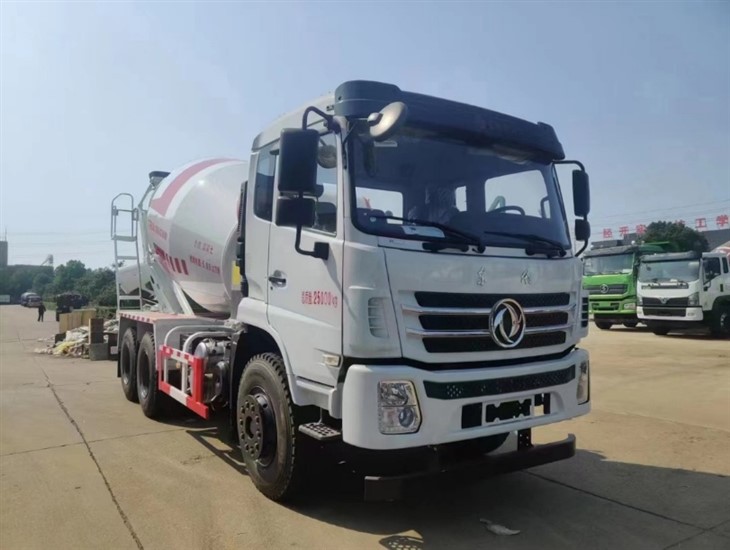
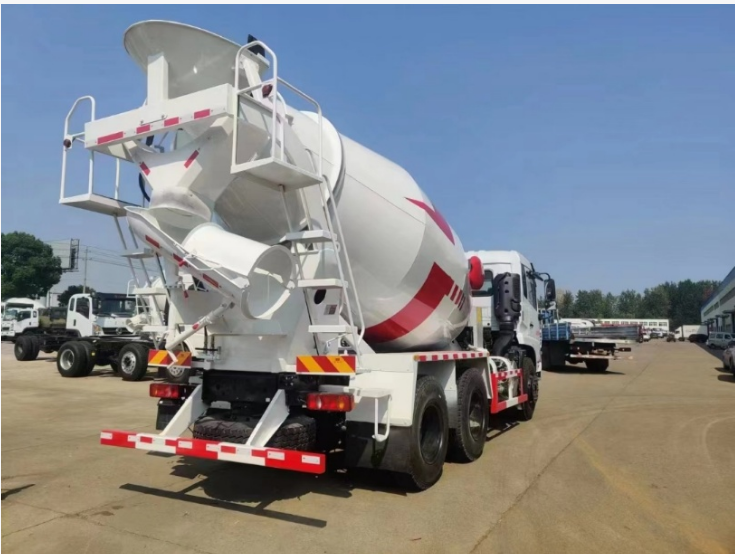
Before discussing the driver's license requirements, it's essential to understand what a concrete mixer truck is. These trucks are specifically designed to mix and transport concrete from the batching plant to the construction site. They come in different sizes and configurations, with capacities ranging from a few cubic meters to over ten cubic meters. The trucks are equipped with a rotating drum that keeps the concrete in a liquid state during transit, ensuring its workability upon arrival at the site.
For instance, we offer the Dongfeng D17 Engineering Mixer Truck, which is known for its reliability and efficiency. This model is popular among construction companies due to its advanced features and robust build. Another option is the Concrete Agi Truck, which is designed for high - volume concrete transportation.
Driver's License Requirements
The driver's license requirements for operating a concrete mixer truck vary from country to country and even from state to state within a country. However, in general, a commercial driver's license (CDL) is required in most regions.
Commercial Driver's License (CDL)
A CDL is a specialized license that allows individuals to operate large, heavy, or placarded hazardous material vehicles. In the United States, for example, a CDL is divided into three classes: Class A, Class B, and Class C.
- Class A CDL: This license is required for driving combination vehicles with a gross combination weight rating (GCWR) of 26,001 pounds or more, provided the towed vehicle has a gross vehicle weight rating (GVWR) of more than 10,000 pounds. Some larger concrete mixer trucks that are part of a tractor - trailer combination may require a Class A CDL.
- Class B CDL: A Class B CDL is needed for driving single vehicles with a GVWR of 26,001 pounds or more, or any such vehicle towing a vehicle not in excess of 10,000 pounds GVWR. Most standard concrete mixer trucks fall into this category. They are single - unit vehicles with a high GVWR due to the weight of the truck itself and the load of concrete it can carry.
- Class C CDL: This license is for driving vehicles that do not meet the criteria for Class A or B but are designed to transport 16 or more passengers (including the driver) or are used to transport hazardous materials that require placarding. Concrete mixer trucks typically do not fall under this category.
Endorsements
In addition to the base CDL class, drivers may also need specific endorsements. For example, if a concrete mixer truck is used to transport hazardous materials (such as certain types of additives), the driver will need a hazardous materials (HazMat) endorsement. This endorsement requires additional training and a background check.
Obtaining a CDL
The process of obtaining a CDL involves several steps:
- Meet the Eligibility Requirements: Drivers must be at least 18 years old to drive within the state and 21 years old to drive across state lines. They also need to have a valid non - commercial driver's license and pass a medical examination.
- Study the CDL Manual: Each state provides a CDL manual that covers all the information needed for the written and skills tests. The manual includes topics such as vehicle inspection, basic control skills, and on - road driving.
- Pass the Written Tests: There are multiple written tests for a CDL, including a general knowledge test and tests for any endorsements. These tests cover rules of the road, vehicle safety, and specific knowledge related to the type of vehicle and load being transported.
- Pass the Skills Tests: The skills tests consist of a vehicle inspection test, a basic control skills test, and an on - road driving test. The vehicle inspection test requires the driver to demonstrate their knowledge of the vehicle's components and safety features. The basic control skills test evaluates the driver's ability to maneuver the vehicle in tight spaces, such as backing up and turning. The on - road driving test assesses the driver's ability to drive safely in traffic.
Importance of Proper Licensing
Ensuring that drivers of concrete mixer trucks have the proper license is crucial for several reasons:
- Safety: A properly licensed driver has the knowledge and skills to operate the vehicle safely. Concrete mixer trucks are large and heavy, and improper operation can lead to serious accidents, endangering the driver, other road users, and construction workers at the site.
- Legal Compliance: Operating a concrete mixer truck without the appropriate license is a violation of the law. Companies can face significant fines and legal consequences if they allow unlicensed drivers to operate their vehicles.
- Quality of Service: Licensed drivers are more likely to provide reliable and efficient service. They understand the importance of maintaining the vehicle, following delivery schedules, and ensuring the quality of the concrete during transit.
Training and Support
As a concrete mixer truck supplier, we understand the importance of providing support to our customers in terms of driver training. We can recommend professional driving schools that offer CDL training programs. These programs are designed to prepare drivers for the written and skills tests and provide hands - on experience with operating concrete mixer trucks.
In addition, we also offer after - sales support to ensure that the trucks are well - maintained and operate at their best. Our team of technicians can provide training on vehicle maintenance and troubleshooting, which is essential for keeping the trucks in good working condition.
Conclusion
In conclusion, operating a concrete mixer truck requires a commercial driver's license, typically a Class B CDL in most cases. Obtaining a CDL involves meeting eligibility requirements, studying the CDL manual, and passing written and skills tests. Proper licensing is essential for safety, legal compliance, and the quality of service.
If you're in the market for a concrete mixer truck, we're here to help. Whether you're a small construction company or a large contractor, we have a range of trucks to meet your needs. Contact us today to discuss your requirements and start the procurement process. We look forward to working with you to find the perfect concrete mixer truck for your business.
References
- Federal Motor Carrier Safety Administration. (n.d.). Commercial Driver's License (CDL) Information. Retrieved from [FMCSA Website]
- State - specific CDL manuals.


