


As a seasoned supplier of LPG tanker trucks, I often get asked an interesting question: Can an LPG tanker truck be used for other purposes? This question isn't just a passing curiosity; it reflects the practical concerns of many in the transportation and energy sectors. In this blog post, I'll delve into this topic, exploring the technical, safety, and regulatory aspects to provide a comprehensive answer.
Understanding LPG Tanker Trucks
Before we discuss alternative uses, it's essential to understand what an LPG tanker truck is. LPG, or liquefied petroleum gas, is a flammable mixture of hydrocarbon gases, mainly propane and butane. LPG tanker trucks are specialized vehicles designed to transport LPG safely and efficiently. They are equipped with high - pressure tanks, safety valves, and other components to prevent leaks and ensure the integrity of the cargo during transit.
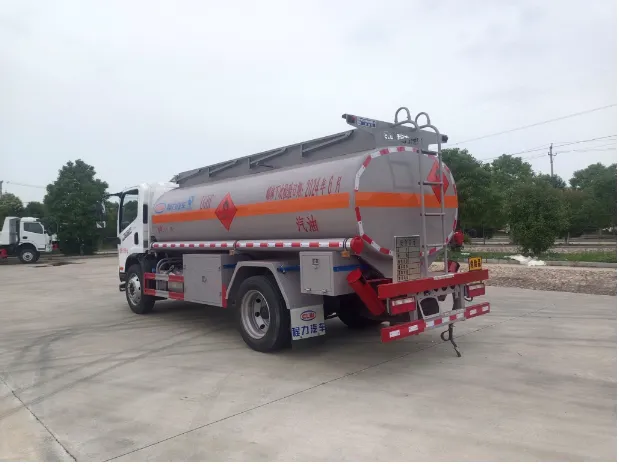
Our company offers a range of LPG tanker trucks, such as the 9.8 Cubic Meter Tank Truck, the Dongfeng Jincheng 13.4 Cubic Oil Tanker, and the Dongfeng Furika 9.9 Cubic Meter Tank Truck. These trucks are built to the highest standards, with features that make them reliable for LPG transportation.

Technical Feasibility of Alternative Uses
Compatibility with Other Liquids
One of the primary considerations when using an LPG tanker truck for other purposes is the compatibility of the tank material with the new cargo. LPG tanker tanks are typically made of steel or other alloys that can withstand the high pressures and corrosive nature of LPG. Some other liquids, such as certain types of non - corrosive chemicals or other hydrocarbon - based fuels, may be compatible with these tanks.
For example, some light - grade fuels like gasoline or kerosene may be stored in an LPG tanker truck if the tank is properly cleaned and inspected. However, heavier oils or highly corrosive chemicals may react with the tank material, leading to corrosion and potential leaks.
Pressure and Temperature Requirements
LPG is stored and transported under high pressure and at specific temperature conditions. When considering alternative uses, the new cargo's pressure and temperature requirements must be evaluated. If the new liquid requires lower pressure storage, modifications to the pressure - relief valves and other pressure - control systems may be necessary.
Conversely, if the new cargo needs to be kept at a different temperature, additional insulation or heating/cooling systems may have to be installed. These modifications can be complex and costly, and they must be carried out by qualified professionals.
Safety Considerations
Residual LPG
Even after a thorough cleaning, there may be residual LPG in the tank. LPG is highly flammable, and any ignition source can cause an explosion or fire. Before using the tanker truck for another purpose, it is crucial to ensure that all traces of LPG are removed. This may involve multiple cleaning cycles, purging with an inert gas, and testing for LPG residues.
Compatibility of Safety Systems
The safety systems in an LPG tanker truck, such as emergency shut - off valves, leak detectors, and fire suppression systems, are designed specifically for LPG. When using the truck for other purposes, these systems may need to be re - evaluated and, in some cases, modified to ensure they are effective for the new cargo. For instance, a different type of leak detector may be required if the new liquid has different properties than LPG.
Regulatory and Legal Aspects
Permits and Licenses
In most countries, transporting different types of liquids requires specific permits and licenses. An LPG tanker truck is licensed for LPG transportation, and using it for other purposes may require obtaining new permits. These permits are issued based on factors such as the type of cargo, the transportation route, and the safety measures in place.
Compliance with Standards
There are various national and international standards for the transportation of different liquids. An LPG tanker truck must comply with these standards when used for alternative purposes. For example, the tank design, construction, and testing requirements may differ depending on the cargo. Failure to comply with these standards can result in legal penalties and safety risks.
Potential Alternative Uses
Transporting Other Hydrocarbon Fuels
As mentioned earlier, some hydrocarbon - based fuels like gasoline or diesel can potentially be transported in an LPG tanker truck. However, this requires careful consideration of the technical, safety, and regulatory aspects. The truck may need to be modified to meet the specific requirements of these fuels, such as different vapor - recovery systems.
Non - Flammable Liquids
Some non - flammable liquids, such as water or certain types of non - corrosive industrial solvents, may be transported in an LPG tanker truck. These liquids generally pose fewer safety risks compared to flammable substances. However, the truck still needs to be properly cleaned and inspected to ensure there is no cross - contamination.
Conclusion
In conclusion, while it is technically possible to use an LPG tanker truck for other purposes, it is a complex process that involves careful consideration of technical, safety, and regulatory factors. Modifications may be necessary, and these must be carried out by qualified professionals.
If you are interested in exploring the use of our LPG tanker trucks for alternative purposes or have any questions about our products, we encourage you to contact us for a detailed discussion. Our team of experts can provide you with the information you need to make an informed decision.
References
- "Transportation of Dangerous Goods: Regulations and Standards," International Maritime Organization.
- "Safety Guidelines for LPG Tanker Trucks," National Fire Protection Association.
- "Materials Compatibility in Chemical Storage Tanks," American Society of Mechanical Engineers.


