


Hey there! As a fire truck supplier, I've been in the thick of the action when it comes to all things related to these powerful machines. One question that often pops up is, "How do fire trucks transport large equipment?" Well, let's dive right in and explore this topic together.
First off, fire trucks are like mobile command centers on wheels. They're designed to carry a wide range of equipment, from hoses and ladders to pumps and generators. The key to transporting large equipment lies in the design and layout of the fire truck itself.
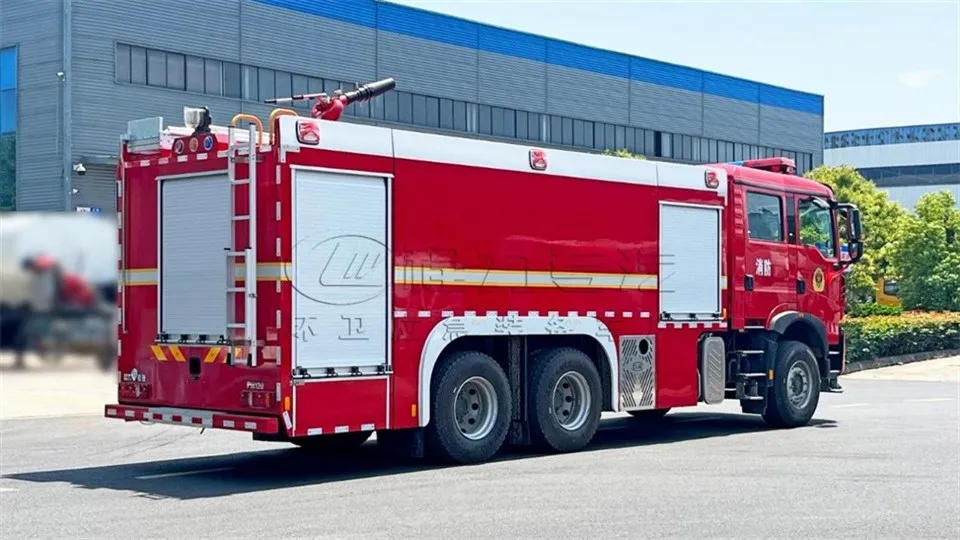
Most fire trucks have specialized compartments and storage areas. These compartments are built to be sturdy and secure, ensuring that the equipment stays in place during transit. For example, the larger ladders are usually stored on the side or rear of the truck. They're often secured with strong straps or brackets to prevent them from shifting around while the truck is on the move.
When it comes to transporting heavy pumps and generators, fire trucks are equipped with reinforced floors and mounting systems. These systems are engineered to distribute the weight evenly, reducing the stress on the truck's structure. This is crucial because uneven weight distribution can affect the truck's handling and stability, especially when driving at high speeds or on rough terrain.
Another important aspect is the loading and unloading process. Firefighters are trained to handle large equipment safely and efficiently. They use a variety of tools and techniques to move the equipment in and out of the truck. For instance, they might use hydraulic lifts or winches to lift heavy items onto the truck. This not only makes the job easier but also reduces the risk of injury to the firefighters.
Now, let's talk about some of the specific types of fire trucks that are commonly used to transport large equipment. One popular option is the Foam Fire Truck. These trucks are equipped with specialized foam tanks and delivery systems, which can be quite large and heavy. The design of the foam fire truck takes this into account, with dedicated compartments and secure mounting points for the foam equipment.
Another great example is the Sinotruk HOWO 16 - ton Pumper - Tanker. This powerful truck is capable of carrying a large amount of water and firefighting equipment. It has a spacious cargo area and well - designed storage compartments, making it ideal for transporting large hoses, pumps, and other heavy items.
In addition to the physical design of the fire truck, technology also plays a big role in transporting large equipment. Many modern fire trucks are equipped with advanced monitoring systems. These systems can track the weight and balance of the equipment on the truck, as well as monitor the condition of the storage compartments and mounting systems. This helps to ensure that everything is secure and in good working order at all times.
Safety is always the top priority when it comes to transporting large equipment on fire trucks. Fire departments have strict safety protocols in place to prevent accidents and injuries. For example, all equipment must be properly secured before the truck leaves the station. Firefighters are also trained to perform regular inspections of the equipment and the truck itself to identify any potential issues.
When it comes to maintenance, fire trucks require regular upkeep to ensure that they can continue to transport large equipment safely and effectively. This includes checking the integrity of the storage compartments, the functionality of the mounting systems, and the condition of the hydraulic lifts and winches. Regular maintenance helps to extend the lifespan of the fire truck and its equipment, as well as reduce the risk of breakdowns during emergencies.
So, if you're in the market for a fire truck that can transport large equipment, there are a few things to consider. First, think about the specific types of equipment you'll need to carry. This will help you determine the size and layout of the truck that's right for you. Second, look for a truck that has a reputation for reliability and durability. You want a truck that can withstand the rigors of daily use and emergency situations.

Finally, don't forget about the importance of training and support. Make sure that your firefighters are properly trained to handle the equipment and operate the fire truck safely. And choose a supplier that can provide you with ongoing support and maintenance services.
If you're interested in learning more about our fire trucks or have any questions about transporting large equipment, we'd love to hear from you. Whether you're a small local fire department or a large municipal agency, we have the expertise and the products to meet your needs. Just reach out to us, and we'll be happy to start a conversation about how we can help you find the perfect fire truck for your requirements.
References
- Firefighting Equipment Handbook: Covers general knowledge about fire truck equipment and transportation methods.
- Fire Truck Design and Engineering Manual: Provides in - depth information on the design and functionality of modern fire trucks.


