


Hey there! I'm a supplier of LPG tanker trucks, and I've been in this business for quite some time. One of the most common questions I get from my customers is how to improve the energy efficiency of these trucks. Well, in this blog post, I'm gonna share some tips and tricks that can help you make your LPG tanker trucks more energy - efficient.
1. Regular Maintenance
First off, regular maintenance is super important. Just like your car, an LPG tanker truck needs proper care to run at its best. Check the engine regularly. A well - tuned engine burns fuel more efficiently. Make sure the air filters are clean. Dirty air filters can restrict airflow to the engine, causing it to work harder and use more fuel. Also, keep an eye on the tire pressure. Under - inflated tires increase rolling resistance, which means the truck has to use more energy to move forward. So, check your tire pressure at least once a week and keep it at the recommended level.
2. Aerodynamic Improvements
Aerodynamics play a huge role in the energy efficiency of LPG tanker trucks. These trucks are big and bulky, and they face a lot of air resistance when they're on the road. You can make some simple modifications to reduce this resistance. For example, installing a cab fairing can smooth the airflow over the truck, reducing drag. Side skirts can also be added to the sides of the tanker to prevent air from getting underneath the truck, which further reduces drag. Some of our trucks, like the FAW Jiefang 15 Cubic Meter Liquefied Gas Transport Truck, are designed with aerodynamics in mind, which helps in saving energy.
3. Driver Training
The way a driver operates the truck can have a big impact on its energy efficiency. Teach your drivers to drive smoothly. Aggressive driving, like rapid acceleration and hard braking, wastes a lot of energy. Encourage them to maintain a steady speed on the highway. Using cruise control can be a great way to achieve this. Also, drivers should avoid idling for long periods. Idling burns fuel without moving the truck, so if they're going to be stopped for more than a minute or two, it's better to turn off the engine.
4. Load Management
Proper load management is another key factor. Don't overload the truck. An overloaded truck has to work harder to move, which uses more energy. On the other hand, if the truck is under - loaded, it's not using its full capacity efficiently. Try to fill the tanker to an optimal level. Our Dongfeng Jincheng 13.4 Cubic Oil Tanker is designed to handle specific loads efficiently, so make sure you're using it according to its capacity.
5. Route Planning
Smart route planning can save a lot of energy. Use GPS systems to find the shortest and least congested routes. Avoid routes with a lot of stop - and - go traffic, as this requires more energy for acceleration and braking. Also, consider the terrain. Uphill and downhill sections can affect the truck's energy consumption. Try to plan routes that have a good balance of flat and hilly areas.

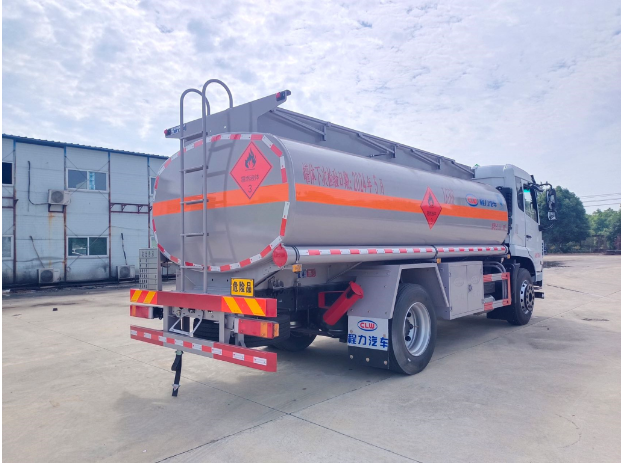
6. Use of Advanced Technologies
There are some advanced technologies that can improve the energy efficiency of LPG tanker trucks. For example, some trucks are equipped with engine management systems that can optimize the fuel injection and ignition timing. These systems adjust the engine's performance based on driving conditions, which can lead to significant fuel savings. Another technology is regenerative braking. When the truck brakes, regenerative braking systems capture the energy that would otherwise be wasted as heat and convert it into electrical energy, which can be used later. Our Dongfeng Furika 9.9 Cubic Meter Tank Truck is equipped with some of these advanced technologies to improve energy efficiency.
7. Alternative Fuels and Hybrid Systems
Considering alternative fuels or hybrid systems can also be a good option. LPG itself is a relatively clean - burning fuel compared to diesel, but there are other alternatives like biogas or a combination of LPG and electricity in hybrid systems. Hybrid LPG trucks can use the electric motor for low - speed driving and the LPG engine for high - speed or heavy - load situations, which can lead to better energy efficiency.
8. Monitoring and Data Analysis
Finally, it's important to monitor the truck's performance and analyze the data. Install sensors on the truck to collect information about fuel consumption, engine performance, and driving behavior. By analyzing this data, you can identify areas where improvements can be made. For example, if you notice that a particular driver has a high fuel consumption rate, you can provide them with additional training.
In conclusion, improving the energy efficiency of LPG tanker trucks is a multi - faceted process. It involves regular maintenance, aerodynamic improvements, driver training, load management, route planning, use of advanced technologies, alternative fuels, and data analysis. By implementing these strategies, you can not only save on fuel costs but also reduce your environmental impact.
If you're interested in purchasing LPG tanker trucks or want to know more about how to improve their energy efficiency, feel free to reach out. We're here to help you make the best decisions for your business.
References:
- General knowledge from the LPG tanker truck industry
- Manufacturer's guidelines for LPG tanker trucks


