


As a supplier of sewage trucks, I've witnessed firsthand the importance of proper operation in maintaining efficient and safe waste management. Operating a sewage truck isn't just about driving a vehicle; it involves a series of well - coordinated steps to ensure the effective collection, transportation, and disposal of sewage. In this blog, I'll guide you through the process of operating a sewage truck, sharing insights from years of experience in the industry.
Pre - operation Checks
Before starting any journey, a thorough pre - operation check is essential. This ensures that the sewage truck is in optimal working condition and reduces the risk of breakdowns during operation.
Vehicle Inspection
First, conduct a visual inspection of the entire truck. Check the tires for proper inflation and any signs of wear or damage. Low tire pressure can not only affect fuel efficiency but also pose a safety hazard. Inspect the brakes, lights, and turn signals to ensure they are all functioning correctly. A malfunctioning brake or light can lead to accidents on the road.
Tank and Equipment Inspection
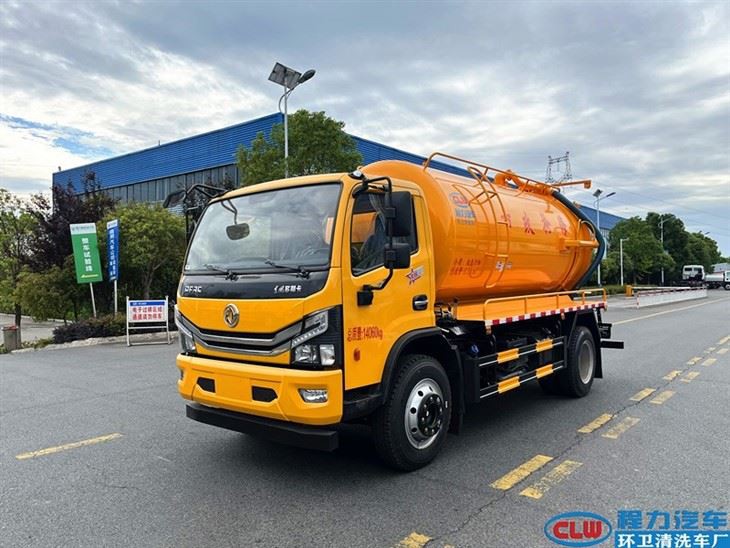
Examine the sewage tank for any signs of leaks or damage. A leaky tank can cause environmental contamination and waste valuable resources. Check the vacuum pump, hoses, and valves. The vacuum pump is the heart of the sewage collection system, so it's crucial to ensure it's working properly. Look for any cracks or blockages in the hoses and make sure the valves open and close smoothly.
Safety Equipment Check
Verify that all safety equipment is on board and in good condition. This includes fire extinguishers, warning triangles, and first - aid kits. In case of an emergency, having accessible and functional safety equipment can save lives and prevent further damage.
Loading Sewage
Once the pre - operation checks are complete, it's time to start loading sewage.
Positioning the Truck
Drive the sewage truck to the collection site and position it as close as possible to the sewage source. This reduces the length of the hoses required and minimizes the risk of blockages. Make sure the truck is parked on a level surface to ensure proper operation of the vacuum system.
Connecting the Hoses
Connect the suction hoses to the sewage source and the inlet of the sewage tank. Ensure that the connections are tight to prevent any leaks during the suction process. Use appropriate clamps or couplings to secure the hoses.
Starting the Vacuum Pump
Start the vacuum pump to create a negative pressure inside the sewage tank. This causes the sewage to be drawn into the tank through the hoses. Monitor the pressure gauge on the vacuum pump to ensure that the pressure remains within the safe operating range. If the pressure is too high or too low, it can indicate a problem with the system.
Monitoring the Loading Process
Keep an eye on the sewage level inside the tank. Most sewage trucks are equipped with level indicators that show the amount of sewage in the tank. Stop the suction process before the tank is completely full to avoid over - filling, which can cause spills and damage to the equipment.
Transporting Sewage
After loading the sewage, it's time to transport it to the disposal site.
Driving Safety
When driving a sewage truck, it's important to follow all traffic rules and regulations. Due to the weight and size of the truck, it may have different handling characteristics compared to a regular vehicle. Drive at a safe speed, especially when turning or braking. Avoid sudden maneuvers that can cause the sewage to shift inside the tank and affect the stability of the truck.
Route Planning
Plan your route in advance to avoid congested areas and roads with weight restrictions. Use GPS navigation systems that are specifically designed for commercial vehicles. This can help you find the most efficient and safe route to the disposal site.
Monitoring the Tank
During transportation, periodically check the tank to ensure that there are no leaks or signs of damage. If you notice any issues, pull over safely and address them immediately.
Unloading Sewage
Once you reach the disposal site, it's time to unload the sewage.
Positioning at the Disposal Site
Park the sewage truck at the designated unloading area. Make sure the truck is positioned in a way that allows for easy connection to the disposal system.

Connecting to the Disposal System
Connect the discharge hoses from the sewage tank to the disposal system. Similar to the loading process, ensure that the connections are tight to prevent leaks.
Opening the Valves
Open the appropriate valves to allow the sewage to flow out of the tank and into the disposal system. Some sewage trucks are equipped with gravity - fed systems, while others use pumps to assist with the unloading process. Follow the manufacturer's instructions for operating the valves and pumps.
Monitoring the Unloading Process
Monitor the unloading process to ensure that the sewage is being discharged properly. Check for any blockages in the hoses or valves. Once the tank is empty, close the valves and disconnect the hoses.
Post - operation Maintenance
After completing the operation, proper post - operation maintenance is crucial to keep the sewage truck in good condition.
Cleaning the Truck
Clean the exterior and interior of the truck, including the tank, hoses, and valves. Use appropriate cleaning agents to remove any remaining sewage and debris. This not only helps to prevent corrosion but also maintains a hygienic working environment.
Inspecting the Equipment
Conduct another inspection of the equipment to check for any signs of wear or damage that may have occurred during the operation. Replace any worn - out parts immediately to prevent further problems.
Recording the Operation
Keep a record of the operation, including the amount of sewage collected, the disposal site, and any maintenance or repairs performed. This record can be useful for future reference and for compliance with environmental regulations.
Why Choose Our Sewage Trucks?
At our company, we offer high - quality Sewage Vacuum Trucks that are designed for efficient and reliable operation. Our trucks are equipped with state - of - the - art vacuum pumps and advanced control systems, ensuring smooth and effective sewage collection and disposal.
We also provide comprehensive after - sales service, including maintenance, repair, and parts replacement. Our team of experienced technicians is always ready to assist you with any issues you may encounter.
If you're in the market for a sewage truck, we invite you to contact us for a detailed discussion. Whether you're a small - scale waste management company or a large municipal authority, we have the right solution for you. Our experts can help you choose the most suitable sewage truck based on your specific needs and budget.
Don't hesitate to reach out to us to start a procurement negotiation. We're committed to providing you with the best products and services in the industry.
References
- "Sewage Truck Operation Manuals" from various manufacturers
- Industry standards and regulations related to sewage collection and disposal
- Professional waste management journals and publications


