


Hey there! As a supplier of sewage trucks, I've seen firsthand how important it is to keep these vehicles in top - notch condition. Sewage trucks are the unsung heroes of sanitation, working hard to keep our communities clean and healthy. But like any piece of heavy - duty equipment, they need regular maintenance to function properly. So, let's dive into the maintenance requirements for a sewage truck.
Regular Inspections
First off, regular inspections are a must. You should check your sewage truck at least once a week, or more often if it's used frequently. Start with a visual inspection of the exterior. Look for any signs of damage, like dents, scratches, or rust. These might seem minor at first, but they can lead to bigger problems down the road, like leaks or structural issues.

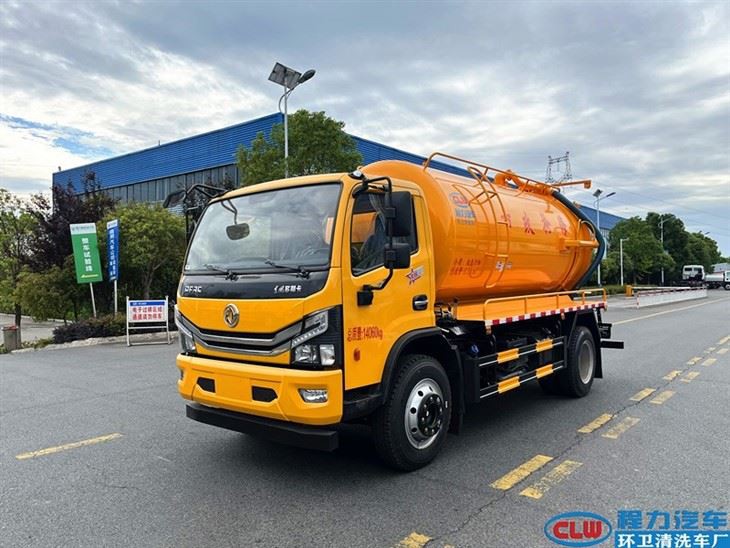
Next, take a look at the tires. Make sure they're properly inflated and that the tread depth is within the recommended range. Worn - out tires can affect the truck's handling and fuel efficiency, and they're a safety hazard. You don't want to be out on the road with a flat or a blowout while carrying a load of sewage!
Under the hood, check the engine oil, coolant, and transmission fluid levels. Low levels of these fluids can cause engine damage and other mechanical problems. Also, inspect the belts and hoses for any signs of wear or cracking. If you notice any issues, it's best to replace them right away.
Vacuum System Maintenance
The vacuum system is the heart of a sewage truck. It's what allows the truck to suck up and transport sewage. This system needs special attention.
The vacuum pump should be serviced regularly. Check the oil level in the pump and change it according to the manufacturer's recommendations. A well - lubricated pump will run smoothly and last longer. Also, inspect the pump for any signs of leaks or damage. If you hear any strange noises coming from the pump, it could be a sign that something's wrong.
The hoses and pipes in the vacuum system are also crucial. Over time, they can get clogged with debris or develop leaks. Inspect them regularly and clean or replace them as needed. A clogged hose can reduce the suction power of the truck, and a leak can create a messy and unhygienic situation.
Tank Maintenance
The sewage tank is where all the waste is stored. It needs to be kept clean and in good condition.
After each use, it's important to flush the tank thoroughly to remove any remaining sewage. This helps prevent the buildup of solids and odors. You can use a high - pressure water hose to clean the inside of the tank.
Inspect the tank for any signs of corrosion or damage. The harsh chemicals in sewage can eat away at the tank's interior over time. If you notice any rust or holes, have them repaired immediately. A damaged tank can lead to leaks, which are not only a health hazard but can also result in environmental pollution.
The tank's seals and gaskets should also be checked regularly. These components prevent leaks and ensure that the tank is airtight. If they're worn or damaged, replace them to avoid any problems.
Hydraulic System
Many sewage trucks use a hydraulic system to operate the lifting and dumping mechanisms. This system requires regular maintenance as well.
Check the hydraulic fluid level and make sure it's clean. Dirty or low - level hydraulic fluid can cause the system to malfunction. Also, inspect the hydraulic hoses and fittings for any signs of leaks or damage. A hydraulic leak can be dangerous, as the high - pressure fluid can cause serious injuries.
The hydraulic cylinders should be lubricated regularly to ensure smooth operation. If you notice any jerky movements or unusual noises when operating the lifting or dumping mechanism, it could be a sign of a problem with the hydraulic system.
Electrical System
The electrical system in a sewage truck is responsible for powering various components, such as the lights, pumps, and controls.
Inspect the battery regularly to make sure it's fully charged and the terminals are clean. Corroded terminals can cause starting problems. Check the wiring harnesses for any signs of wear or damage. Loose or frayed wires can lead to electrical shorts and other issues.
Test the lights, both the exterior and interior ones, to make sure they're all working properly. Faulty lights can be a safety hazard, especially when the truck is operating at night or in low - visibility conditions.
Filtration System
The filtration system in a sewage truck helps to remove impurities from the air and liquid being pumped.
Replace the air filters regularly. A clogged air filter can reduce the engine's performance and fuel efficiency. The liquid filters, which are designed to trap solids and debris in the sewage, also need to be cleaned or replaced as needed.
If the filtration system isn't working properly, it can cause damage to the vacuum pump and other components of the truck.
Now, if you're in the market for a sewage truck or need parts for maintenance, Sewage Vacuum Truck is the place to go. We offer a wide range of high - quality sewage trucks and all the necessary parts to keep them running smoothly.
If you have any questions about sewage truck maintenance or are interested in purchasing one of our trucks, don't hesitate to reach out. We're here to help you make the best decision for your sanitation needs. Whether you're a small - scale operator or a large - scale waste management company, we've got the right solution for you.
References
- Manufacturer's manuals for sewage trucks
- Industry best practices for heavy - duty vehicle maintenance
- Technical bulletins from leading sewage truck component suppliers


