


As a supplier of sewage trucks, I'm acutely aware of the significant role these vehicles play in environmental protection. Sewage trucks are essential for maintaining the cleanliness and hygiene of our communities by collecting and transporting wastewater and sewage. However, their operation also has the potential to impact the environment negatively if not managed properly. In this blog post, I'll share some key strategies on how to protect the environment when using a sewage truck, based on my experience in the industry.
1. Regular Maintenance and Inspection
One of the most fundamental steps in environmental protection when using a sewage truck is to ensure regular maintenance and inspection. A well - maintained sewage truck operates more efficiently and reduces the risk of leaks and spills.
Firstly, check the tank for any signs of damage or corrosion regularly. The tank is where the sewage is stored, and even a small crack or hole can lead to sewage leakage, which can contaminate soil and water sources. Inspect the seals around the manholes, valves, and connections as well. These seals prevent sewage from seeping out during transportation.
Secondly, maintain the vacuum system properly. A malfunctioning vacuum system may not collect sewage effectively, leading to over - filling or spillage. Regularly clean and replace filters in the vacuum system to ensure optimal performance. This not only helps in preventing environmental pollution but also extends the lifespan of the equipment.
Thirdly, keep an eye on the engine. A properly maintained engine consumes less fuel, reducing greenhouse gas emissions. Regular oil changes, air filter replacements, and tune - ups are essential. For example, a dirty air filter can restrict air flow to the engine, causing it to burn more fuel inefficiently. By following the manufacturer's recommended maintenance schedule, you can ensure that your sewage truck is operating at its best while minimizing its environmental footprint.
2. Proper Loading and Unloading Procedures
Proper loading and unloading of sewage are crucial for environmental protection. When loading sewage, make sure not to over - fill the tank. Over - filling can cause spills during transportation, especially when the truck is in motion or going over bumps. Use the level indicators on the tank to monitor the amount of sewage being loaded accurately.
During the loading process, also ensure that the connection between the suction hose and the sewage source is secure. A loose connection can result in sewage splashing out, which can be a health hazard and cause environmental contamination. It's also important to handle the suction hose carefully to avoid damage, as a damaged hose can lead to leaks.
When it comes to unloading, always use approved disposal sites. These sites are designed to handle sewage safely and treat it properly. Dumping sewage in unauthorized areas, such as rivers, lakes, or open fields, can have severe environmental consequences, including water pollution and the spread of diseases. Before unloading, make sure that the connection between the truck and the disposal facility is secure to prevent any spills.
3. Minimizing Idle Time
Idle time is a major contributor to unnecessary fuel consumption and emissions in sewage trucks. When the truck is idling, it is burning fuel without performing any useful work. To minimize idle time, plan your routes and operations efficiently. For example, group your collection stops in a way that reduces the need for the truck to sit idle between pick - ups.
If you need to stop for a short period, such as during a quick inspection or while waiting for a loading area to become available, turn off the engine. Modern sewage trucks are equipped with advanced engine start - stop systems that can be used to save fuel during short stops. By reducing idle time, you not only save on fuel costs but also reduce the amount of pollutants released into the atmosphere.
4. Training and Education
Proper training and education of the operators are essential for environmental protection when using a sewage truck. Operators should be well - versed in all aspects of the truck's operation, including maintenance, loading, unloading, and emergency procedures.
Training programs should cover topics such as environmental regulations, proper handling of sewage, and the importance of minimizing environmental impact. For example, operators should be aware of the local and national laws regarding sewage disposal and the penalties for non - compliance. They should also know how to respond in case of a spill, including the proper use of spill - containment materials and the steps to report the incident.
Regular refresher courses can help keep operators up - to - date with the latest environmental protection practices. By investing in the training of your operators, you can ensure that they are performing their jobs in an environmentally responsible manner.
5. Using Advanced Technologies
The sewage truck industry is constantly evolving, and there are many advanced technologies available that can help protect the environment. For example, some sewage trucks are now equipped with advanced filtration systems that can remove more contaminants from the sewage before it is transported. These filtration systems can reduce the load on the disposal facilities and improve the quality of the treated water.
Another technology is the use of GPS tracking systems. GPS tracking can help optimize routes, reducing the distance traveled and fuel consumption. It can also provide real - time information about the truck's location, speed, and fuel consumption, allowing for better monitoring and management of the vehicle's operations.
In addition, some sewage trucks are designed with more fuel - efficient engines and hybrid or electric powertrains. These technologies can significantly reduce greenhouse gas emissions compared to traditional diesel - powered trucks. For instance, electric sewage trucks produce zero tailpipe emissions, making them an excellent option for environmentally conscious operators. As a sewage truck supplier, I'm always looking for ways to incorporate these advanced technologies into our product offerings to help our customers protect the environment.
6. Monitoring and Record - Keeping
Monitoring and record - keeping are important for ensuring that your sewage truck operations are environmentally friendly. Keep records of fuel consumption, maintenance activities, loading and unloading times, and disposal sites used. By analyzing these records, you can identify areas where improvements can be made.
For example, if you notice a sudden increase in fuel consumption, it could indicate a problem with the engine or a change in operating procedures. By investigating the issue promptly, you can address the problem and reduce fuel waste. Similarly, by keeping track of the disposal sites used, you can ensure that you are using approved sites consistently and in compliance with environmental regulations.
Regularly monitoring the performance of your sewage truck can also help you detect any potential environmental issues early. For instance, if you notice a decrease in the efficiency of the vacuum system, it could be a sign of a leak or a blockage. By taking immediate action, you can prevent more significant problems from occurring and protect the environment.
Conclusion
Protecting the environment when using a sewage truck is a responsibility that we all share. As a sewage truck supplier, I'm committed to providing high - quality vehicles and promoting environmentally friendly practices. By following the strategies outlined above, such as regular maintenance, proper loading and unloading procedures, minimizing idle time, training operators, using advanced technologies, and monitoring and record - keeping, we can ensure that sewage trucks are operating in an environmentally sustainable manner.
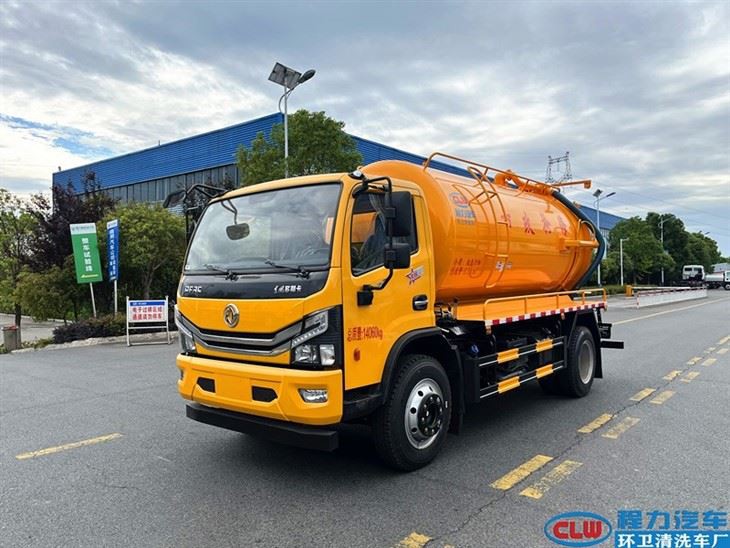

If you're interested in learning more about our Sewage Vacuum Truck or have any questions about environmental protection in sewage truck operations, please don't hesitate to contact us. We're here to help you make the best choices for your business while also protecting our planet.
References
- Manufacturer's manuals for sewage trucks
- Environmental regulations and guidelines from local and national authorities
- Industry research on fuel - efficiency and environmental protection in the sewage truck sector


