


Hey there! As a supplier of LPG tanker trucks, I'm super stoked to take you on a journey into how these bad boys work. LPG, or liquefied petroleum gas, is a widely used fuel, and getting it from point A to point B safely and efficiently is where our tanker trucks come in.
The Basics of LPG
First off, let's quickly talk about LPG. It's a mixture of propane and butane, and it's in a liquid state when it's under pressure. That's important because it allows us to store a whole lot more of it in a relatively small space compared to if it were in a gaseous state. LPG is used for all sorts of things, like heating homes, cooking, and even powering some vehicles.
The Structure of an LPG Tanker Truck
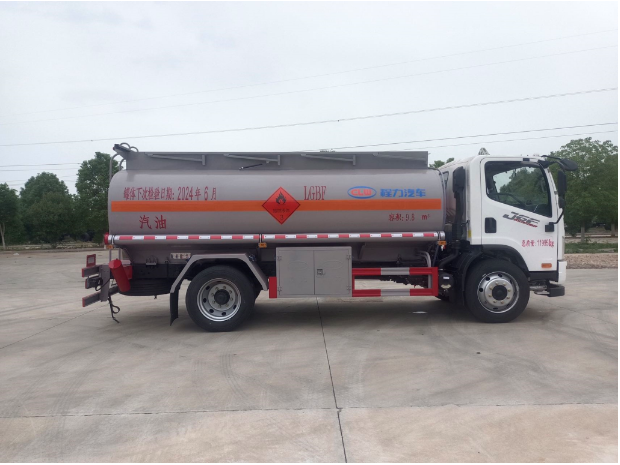
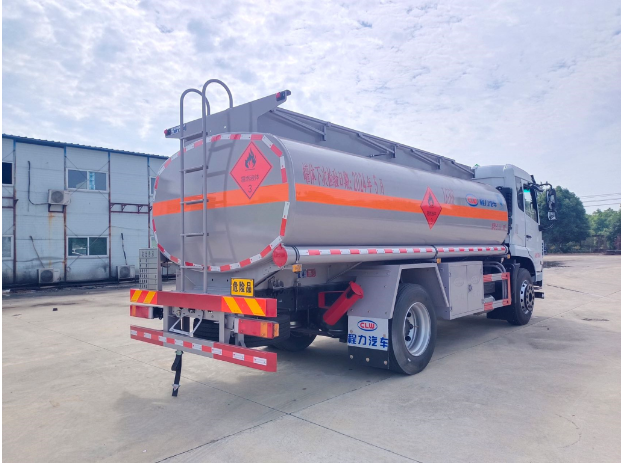
The main part of an LPG tanker truck is, of course, the tank. This tank is designed to hold the LPG under pressure. It's made from high - strength steel to withstand the internal pressure and the rigors of the road. The tank has to be really well - built because any leaks can be extremely dangerous.
There are also different sizes of tanks available. For example, we have the 9.8 Cubic Meter Tank Truck. This is a great option for smaller - scale deliveries or when you need to navigate through more congested areas. On the other hand, if you need to transport larger volumes, we've got the Dongfeng Jincheng 13.4 Cubic Oil Tanker and the FAW Jiefang 15 Cubic Meter Liquefied Gas Transport Truck. These larger trucks are perfect for long - haul deliveries and big - volume customers.
Loading the LPG
When it's time to load the LPG onto the tanker truck, there's a specific process. First, the truck is parked at a loading terminal. The terminal has a connection point that's designed to mate with the truck's loading valve.
Before the actual loading starts, a whole bunch of safety checks are done. The operators make sure that all the connections are tight, that there are no signs of damage or leaks, and that the pressure and temperature gauges on the truck are working properly.
Once everything checks out, the LPG starts flowing from the storage facility at the terminal into the truck's tank. This is usually done using a pump. The pump creates a pressure difference that forces the LPG into the tank. As the tank fills up, the operators keep an eye on the level indicators to make sure they don't overfill it. Overfilling can be a huge safety hazard, so it's a really important step in the process.
Transporting the LPG
Once the truck is loaded, it's ready to hit the road. But transporting LPG is not like just driving any old truck. There are strict safety regulations that the drivers have to follow.
The truck has to be driven at a reasonable speed, and the driver has to avoid sudden stops and starts. This is because the LPG inside the tank can slosh around, and if there are sudden movements, it can create extra stress on the tank and the connections.
The truck also has to be equipped with all sorts of safety features. There are pressure relief valves on the tank. These valves are designed to open if the pressure inside the tank gets too high. This helps prevent the tank from exploding. There are also emergency shut - off valves that can be used in case of an accident or a leak.
Unloading the LPG
When the truck reaches its destination, it's time to unload the LPG. Just like with loading, there's a specific process for this too.
The truck is parked at the unloading site, and the operators connect the truck's unloading valve to the storage tank at the destination. Again, a series of safety checks are done before the unloading starts.
The unloading is usually done using either a pump or by using the pressure difference between the truck's tank and the storage tank. The operators monitor the process closely to make sure that the LPG is transferred safely and that there are no leaks.
Maintenance and Safety
Maintaining an LPG tanker truck is crucial. Regular inspections are carried out to check the condition of the tank, the valves, the hoses, and all the other components. Any signs of wear and tear, corrosion, or damage are addressed immediately.
The drivers and operators are also trained to handle emergencies. They know how to respond in case of a leak, a fire, or an accident. Safety is our top priority, and we make sure that all our trucks are in top - notch condition and that everyone involved in the process is well - trained.
Why Choose Our LPG Tanker Trucks
We've been in the business of supplying LPG tanker trucks for a long time, and we know what it takes to make a great truck. Our trucks are built with the highest quality materials and the latest technology. They're designed to be safe, reliable, and efficient.
Whether you're a small - scale distributor or a large - scale company, we've got the right tanker truck for you. Our range of sizes and models means that you can find the perfect fit for your needs.
If you're in the market for an LPG tanker truck, we'd love to talk to you. We can provide you with all the information you need, and we can help you choose the right truck for your business. Just reach out to us, and we'll start the conversation.
References
- "Liquefied Petroleum Gas (LPG) Handbook" - A comprehensive guide on LPG properties and handling.
- "Tanker Truck Safety Regulations" - Government - issued regulations for the transportation of LPG by tanker trucks.


