


Hey there! As a supplier of Sprinkler Tankers, I often get asked about how to change the nozzles on these bad boys. It might seem like a daunting task at first, but trust me, with the right know - how, it's a piece of cake. In this blog, I'll walk you through the whole process step by step.
First things first, let's talk about why you might want to change the nozzles on your Sprinkler Tanker. There are a few reasons. Maybe the current nozzles are worn out or clogged, and they're not spraying water as effectively as they should. Or perhaps you need a different spray pattern for a specific job. Different nozzles can create different spray patterns, like a fan - shaped spray for wide - area coverage or a jet - like spray for more targeted watering.
Before you start the nozzle - changing process, you'll need to gather a few tools. You'll typically need a wrench, which will help you loosen and tighten the nozzles. Make sure the wrench fits the size of the nozzle connections on your Sprinkler Tanker. You might also want to have a clean cloth handy to wipe off any dirt or debris around the nozzle area.
Now, let's get down to business. The first step is to turn off the water supply to the Sprinkler Tanker. This is crucial for your safety and to prevent any water from spraying everywhere while you're working. You don't want to get soaked, right? Once the water is off, locate the nozzles on your tanker. They're usually located on the sides, front, or rear of the vehicle, depending on the model of your Sprinkler Tanker.
Next, use the wrench to loosen the nozzle. Turn the wrench counter - clockwise. Sometimes, the nozzles can be pretty tight, especially if they've been on there for a while. So, you might need to put a bit of muscle into it. But be careful not to over - do it and damage the nozzle or the connection. If the nozzle is really stuck, you can try using a little bit of lubricant to help loosen it up.
Once the nozzle is loose, you can simply pull it off by hand. Take a look at the old nozzle. Notice how it's designed and how it was attached. This will help you when you're installing the new nozzle. You might also want to inspect the old nozzle to see what went wrong with it. If it's clogged, you can try cleaning it out and keeping it as a spare.
Now, it's time to install the new nozzle. First, make sure the new nozzle is the right size and type for your Sprinkler Tanker. You don't want to end up with a nozzle that doesn't fit or doesn't work properly. Align the new nozzle with the connection on the tanker. Then, start screwing it on by hand. Make sure it's going on straight and not cross - threaded. Cross - threading can cause leaks and make it difficult to tighten the nozzle properly.
After you've started screwing the nozzle on by hand, use the wrench to tighten it further. Turn the wrench clockwise. You want to make sure the nozzle is tight enough so that there are no leaks, but again, don't over - tighten it. A good rule of thumb is to tighten it until it's snug, but you can still feel a little bit of resistance when you try to turn it a bit more.
Once you've installed all the new nozzles, it's time to turn the water supply back on. Check for any leaks around the nozzle connections. If you see any water dripping, you might need to tighten the nozzle a bit more. But if the leak persists, you might have a problem with the seal or the connection itself. In that case, you might need to double - check the installation or consult a professional.
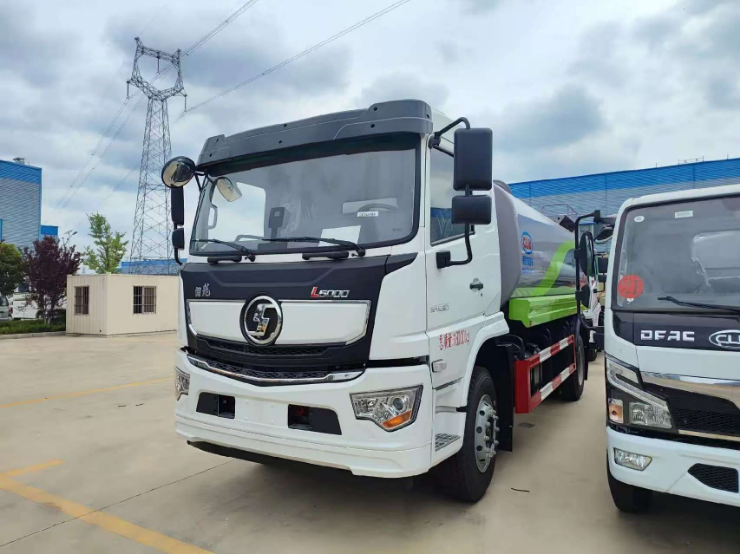

Now, let's talk about some tips and tricks to make the nozzle - changing process even easier. One tip is to keep a set of spare nozzles on hand. This way, if you ever have a nozzle problem on the job, you can quickly replace it without having to go back to the shop. Another tip is to label your nozzles. Different nozzles can create different spray patterns, so labeling them will help you keep track of which one is which and make it easier to choose the right nozzle for the job.
If you're using your Sprinkler Tanker for different types of jobs, you might want to invest in a variety of nozzles. For example, if you're doing street cleaning, a wide - fan nozzle might be ideal for covering a large area quickly. But if you're watering plants in a garden, a more targeted jet nozzle might be better.
As a Sprinkler Tanker supplier, I know that these vehicles are a great investment for many businesses. They're versatile and can be used for a variety of tasks, from dust suppression on construction sites to watering parks and gardens. And changing the nozzles is just one of the many maintenance tasks that will keep your Sprinkler Tanker running smoothly.
If you're in the market for a new Sprinkler Truck or you need more information about nozzles or other parts for your existing Sprinkler Tanker, don't hesitate to reach out. We're here to help you make the most of your investment. Whether you're a small landscaping business or a large municipal department, we have the right Sprinkler Tanker and parts for you.
And if you're interested in other types of sanitation trucks, like the 10cbm Sewage Suction Truck, we've got you covered too. We offer a wide range of high - quality sanitation trucks and parts to meet your needs.
So, there you have it - a complete guide on how to change the nozzles on a Sprinkler Tanker. I hope this blog has been helpful to you. If you have any questions or need further advice, feel free to contact us. We're always happy to assist you in making your Sprinkler Tanker work at its best.
References
- General knowledge and experience in the Sprinkler Tanker industry.
- Manufacturer's manuals for Sprinkler Tankers.


