


Transporting a sewage vacuum truck is a complex process that requires careful planning, specialized equipment, and strict adherence to safety regulations. As a supplier of sewage vacuum trucks, I have gained extensive experience in handling the transportation of these heavy - duty vehicles. In this blog, I will share some key aspects of how to transport a sewage vacuum truck effectively and safely.
Pre - transport Preparation
Vehicle Inspection
Before transporting a sewage vacuum truck, a thorough inspection of the vehicle is essential. Check the engine, brakes, tires, and all mechanical components to ensure they are in good working condition. Any pre - existing issues should be addressed immediately to prevent problems during transportation. For example, if the brakes are worn, they should be replaced to avoid safety risks on the road. Also, make sure the sewage tank is empty or properly sealed to prevent any leakage during transit.
Documentation
Gather all the necessary documentation for the transportation. This includes the vehicle's registration papers, insurance documents, and any permits required for over - sized or overweight loads. Some regions may have specific regulations regarding the transportation of sewage vacuum trucks due to their large size and weight. Ensure that you have obtained all the appropriate permits in advance to avoid legal issues during the journey.
Route Planning
Select the most suitable route for transporting the sewage vacuum truck. Consider factors such as road conditions, traffic volume, and the presence of low bridges or narrow passages. Use mapping tools and local knowledge to plan a route that minimizes the risk of damage to the vehicle and ensures a smooth journey. Avoid routes with heavy traffic or poor road surfaces, as these can increase the wear and tear on the truck and pose safety hazards.
Transportation Methods
Flatbed Trucking
One of the most common methods of transporting a sewage vacuum truck is by using a flatbed truck. Flatbed trucks are ideal for this purpose because they provide a stable and open platform for loading and unloading the sewage vacuum truck. The sewage vacuum truck can be driven onto the flatbed or winched up using a hoist. Once on the flatbed, the truck should be securely fastened using straps or chains to prevent it from shifting during transit.
When choosing a flatbed truck, make sure it has a sufficient weight capacity to handle the sewage vacuum truck. The flatbed should also be in good condition, with no signs of damage or wear that could affect the safety of the transportation. Additionally, the flatbed truck driver should be experienced in transporting heavy and oversized loads.
Trailer Towing
Another option for transporting a sewage vacuum truck is trailer towing. This method involves attaching the sewage vacuum truck to a trailer and towing it behind a suitable vehicle. Trailer towing requires a strong and reliable towing vehicle with the appropriate towing capacity. The trailer should also be properly maintained and equipped with brakes and lights for safe operation.
Before towing the sewage vacuum truck, ensure that the trailer hitch is securely attached and that all safety chains are in place. The towing vehicle and trailer combination should be tested for proper braking and steering before setting off on the journey. Trailer towing can be a cost - effective option for short - distance transportation, but it may not be suitable for long - distance or complex routes.
Loading and Unloading
Loading
Loading a sewage vacuum truck onto a flatbed or trailer requires careful planning and execution. If driving the truck onto the flatbed, make sure the flatbed is level and that the approach angle is suitable for the truck. Use ramps if necessary to facilitate the loading process. When winching the truck onto the flatbed, ensure that the winch is properly attached and that the truck is balanced during the lifting process.
During loading, it is important to position the sewage vacuum truck correctly on the flatbed or trailer. The truck should be centered and evenly distributed to prevent any imbalance that could cause problems during transportation. Once the truck is in position, secure it tightly using straps or chains. Make sure the straps or chains are tightened evenly to prevent the truck from moving.
Unloading
Unloading a sewage vacuum truck is the reverse of the loading process. When unloading from a flatbed, carefully release the straps or chains and lower the truck to the ground using a hoist or by driving it off the flatbed. If towing with a trailer, detach the sewage vacuum truck from the trailer and ensure that all connections are removed safely.

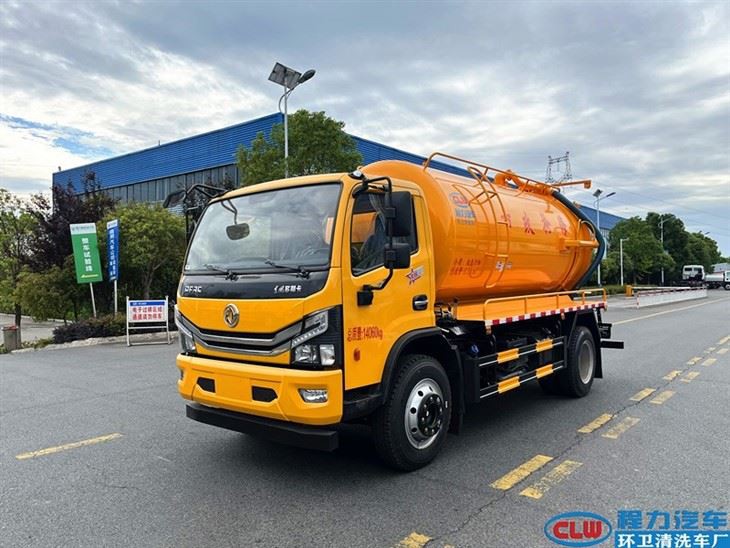
During unloading, pay attention to the surroundings and make sure there is enough space for the sewage vacuum truck to maneuver. Avoid sudden movements or jerks that could damage the truck or cause injury to the operators.
Safety Considerations
Driver Training
The driver involved in transporting the sewage vacuum truck should receive specialized training. This training should cover aspects such as handling heavy and oversized loads, understanding the vehicle's dimensions and weight, and following safety regulations. A well - trained driver is essential for ensuring the safety of the transportation and minimizing the risk of accidents.
Safety Equipment
Both the transportation vehicle (flatbed truck or towing vehicle) and the sewage vacuum truck should be equipped with appropriate safety equipment. This includes reflective markers, warning signs, and emergency lighting. The safety equipment helps to increase the visibility of the vehicles on the road, especially during low - light conditions or when traveling at night.
Weather Conditions
Weather conditions can have a significant impact on the transportation of a sewage vacuum truck. Avoid transporting the truck during extreme weather conditions such as heavy rain, snow, or strong winds. These conditions can make the roads slippery and reduce visibility, increasing the risk of accidents. If transportation cannot be avoided in adverse weather, take extra precautions such as reducing speed and increasing the following distance.
Post - transport Checks
After the sewage vacuum truck has been transported to its destination, a post - transport check should be conducted. Inspect the truck for any signs of damage that may have occurred during transportation. Check the mechanical components, the body of the truck, and the sewage tank for any dents, scratches, or leaks. If any damage is found, it should be repaired immediately to ensure the proper functioning of the sewage vacuum truck.
Conclusion
Transporting a sewage vacuum truck requires careful planning, proper equipment, and strict adherence to safety regulations. By following the steps outlined in this blog, you can ensure that the transportation process is safe, efficient, and successful. As a Sewage Vacuum Truck supplier, we are committed to providing high - quality products and assisting our customers with all aspects of transportation. If you are interested in purchasing a sewage vacuum truck or need more information about transportation, please feel free to contact us for further discussions and procurement negotiations.
References
- Trucking Industry Standards and Regulations Handbook
- Heavy Equipment Transportation Best Practices Guide
- Vehicle Inspection and Maintenance Manuals


