


Air pollution is a pressing global issue that affects human health, the environment, and climate change. As a supplier of Concrete Agi Truck, I am acutely aware of the role our vehicles play in this complex scenario. In this blog post, I will delve into the air pollution levels associated with Concrete Agi Trucks, exploring the sources of emissions, the factors influencing them, and the measures we can take to mitigate their environmental impact.
Sources of Air Pollution in Concrete Agi Trucks
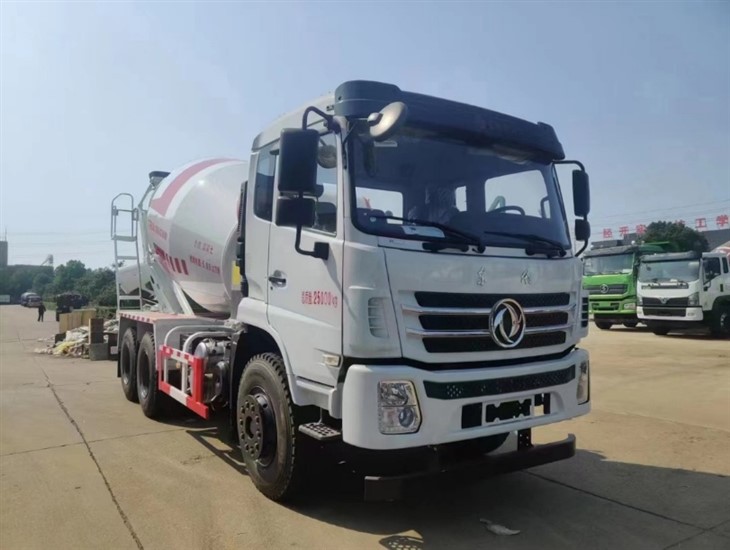
Concrete Agi Trucks are heavy - duty vehicles primarily used in the construction industry to transport and mix concrete. These trucks are powered by internal combustion engines, which are the main source of air pollutants. The combustion of diesel fuel in these engines releases several harmful substances into the atmosphere:
Particulate Matter (PM)
Particulate matter consists of tiny solid or liquid particles suspended in the air. In the case of Concrete Agi Trucks, PM is mainly emitted from the exhaust of diesel engines. These particles can vary in size, with fine particulate matter (PM2.5, particles with a diameter of 2.5 micrometers or less) and coarse particulate matter (PM10, particles with a diameter of 10 micrometers or less) being of particular concern. PM2.5 is especially dangerous as it can penetrate deep into the lungs and even enter the bloodstream, causing respiratory and cardiovascular diseases.
Nitrogen Oxides (NOx)
Nitrogen oxides are a group of highly reactive gases formed during the high - temperature combustion of diesel fuel. The two main nitrogen oxides emitted by Concrete Agi Trucks are nitric oxide (NO) and nitrogen dioxide (NO2). NOx emissions contribute to the formation of ground - level ozone, a major component of smog. Ozone can cause respiratory problems, reduce lung function, and damage crops and other vegetation.
Carbon Monoxide (CO)
Carbon monoxide is a colorless, odorless gas produced by the incomplete combustion of diesel fuel. When inhaled, CO binds to hemoglobin in the blood, reducing its ability to carry oxygen. This can lead to headaches, dizziness, nausea, and in severe cases, even death.
Hydrocarbons (HC)
Hydrocarbons are organic compounds that are also released during the combustion process. Some hydrocarbons are volatile organic compounds (VOCs), which react with NOx in the presence of sunlight to form ground - level ozone.
Factors Influencing Air Pollution Levels
The air pollution levels of a Concrete Agi Truck can be influenced by several factors:
Engine Technology
The type and age of the engine play a significant role in determining the emission levels. Older engines are generally less efficient and emit higher levels of pollutants compared to newer, more advanced engines. Modern engines are equipped with technologies such as exhaust gas recirculation (EGR), diesel particulate filters (DPF), and selective catalytic reduction (SCR) systems, which can significantly reduce emissions of PM, NOx, and other pollutants.
Driving Conditions
The way a Concrete Agi Truck is driven also affects its air pollution levels. Stop - and - go traffic, frequent acceleration and deceleration, and idling can increase fuel consumption and emissions. In contrast, smooth driving at a constant speed can help reduce emissions.
Load and Payload
The weight of the concrete being transported by the truck can impact its fuel efficiency and emission levels. A fully loaded truck requires more power to operate, which can lead to higher fuel consumption and emissions.
Maintenance
Proper maintenance of the truck is crucial for reducing emissions. Regular servicing, including oil changes, air filter replacements, and engine tune - ups, can ensure that the engine operates efficiently and emits fewer pollutants.
Measuring Air Pollution Levels
To accurately assess the air pollution levels of a Concrete Agi Truck, several methods can be used:
Emission Testing
Emission testing involves measuring the concentration of pollutants in the exhaust gases of the truck. This can be done using portable emission measurement systems (PEMS) or stationary dynamometer testing. These tests provide real - time data on the emissions of PM, NOx, CO, and HC.

Remote Sensing
Remote sensing is a non - intrusive method that uses infrared and ultraviolet light to measure the concentration of pollutants in the exhaust plumes of passing vehicles. This method can quickly and efficiently assess the emission levels of a large number of trucks on the road.
Modeling
Emission models can be used to estimate the air pollution levels of Concrete Agi Trucks based on factors such as engine type, driving conditions, and load. These models can provide a comprehensive understanding of the emissions over a given period and in different scenarios.
Mitigating Air Pollution from Concrete Agi Trucks
As a supplier of Concrete Agi Trucks, we are committed to reducing the environmental impact of our vehicles. Here are some of the measures we can take:
Promote Cleaner Engine Technologies
We can encourage the use of trucks equipped with the latest engine technologies, such as those meeting the strictest emission standards. For example, the Dongfeng D17 Engineering Mixer Truck is designed with advanced emission control systems to minimize its environmental footprint.
Provide Driver Training
We can offer driver training programs to educate drivers on fuel - efficient driving techniques. These techniques include smooth acceleration and deceleration, maintaining a constant speed, and reducing idling time.
Implement Maintenance Programs
We can develop and promote regular maintenance programs for our trucks. This includes scheduled inspections, filter replacements, and engine tune - ups to ensure that the trucks operate at peak efficiency and emit fewer pollutants.
Explore Alternative Fuels
We can research and promote the use of alternative fuels, such as biodiesel, natural gas, or electric power, in our Concrete Agi Trucks. These alternative fuels can significantly reduce emissions of PM, NOx, CO, and HC.
Conclusion
The air pollution levels of a Concrete Agi Truck are influenced by various factors, including engine technology, driving conditions, load, and maintenance. While these trucks do contribute to air pollution, there are several measures that can be taken to mitigate their environmental impact. As a supplier, we have a responsibility to promote cleaner technologies, provide driver training, implement maintenance programs, and explore alternative fuels.
If you are interested in learning more about our Concrete Agi Trucks and how we are working to reduce their air pollution levels, or if you are considering purchasing a truck for your construction project, please feel free to contact us for a detailed discussion. We look forward to partnering with you to build a more sustainable future.
References
- "Air Quality Guidelines for Particulate Matter, Ozone, Nitrogen Dioxide and Sulfur Dioxide", World Health Organization.
- "Diesel Engine Emissions and Control", SAE International.
- "Transportation and Air Quality", Environmental Protection Agency.


