


Hey there! As a supplier of Sewage Vacuum Truck, I've seen firsthand how important it is to keep these machines running at their best. In this blog, I'll share some tips on how to upgrade the performance of a sewage vacuum truck.
Regular Maintenance
First things first, regular maintenance is the key to keeping your sewage vacuum truck in top shape. Just like any other vehicle, these trucks need routine check - ups. You should start by changing the engine oil regularly. Old oil can get dirty and lose its lubricating properties, which can put extra stress on the engine. Aim to change the oil every 3,000 to 5,000 miles, depending on the manufacturer's recommendations.
The air filter is another crucial component. A clogged air filter restricts the airflow to the engine, making it work harder and reducing fuel efficiency. Check the air filter monthly and replace it if it looks dirty. Also, don't forget about the fuel filter. A clean fuel filter ensures that the engine gets a steady supply of clean fuel, which is essential for optimal performance.
The vacuum system is the heart of a sewage vacuum truck. Inspect the vacuum pump regularly for any signs of wear and tear. Check the belts for proper tension and replace them if they're cracked or frayed. The hoses in the vacuum system should also be inspected for leaks. A small leak can significantly reduce the suction power of the truck.
Upgrade the Vacuum System
If your sewage vacuum truck is getting a bit old, upgrading the vacuum system can make a huge difference. There are several new - generation vacuum pumps on the market that offer higher suction power and better efficiency. These pumps are designed to handle larger volumes of sewage in less time, which can increase your productivity.
When upgrading the vacuum pump, consider getting one with a higher CFM (cubic feet per minute) rating. A higher CFM means more air can be moved through the system, resulting in stronger suction. Some modern vacuum pumps also come with advanced features like automatic shut - off when the tank is full, which can prevent over - filling and potential damage to the system.
In addition to the pump, you can also upgrade the hoses. High - quality, thick - walled hoses are less likely to kink or collapse, ensuring a consistent flow of sewage into the tank. They also have better resistance to abrasion and chemicals, which can extend their lifespan.
Optimize the Tank Design
The design of the sewage tank can also impact the performance of the truck. An efficient tank design allows for easy loading and unloading of sewage. Some tanks are designed with sloped bottoms, which help the sewage flow towards the discharge valve. This can reduce the time it takes to empty the tank and prevent residue from being left behind.
You can also consider adding baffles inside the tank. Baffles help to stabilize the liquid inside the tank, reducing sloshing and improving the overall balance of the truck. This is especially important when the truck is in motion, as it can prevent the weight of the sewage from shifting suddenly and affecting the handling of the vehicle.
Another aspect to consider is the size of the tank. If your operations require you to handle large volumes of sewage, upgrading to a larger tank can be a good idea. However, keep in mind that a larger tank will also add more weight to the truck, which can affect fuel consumption and maneuverability. So, it's a balance that you need to strike based on your specific needs.
Improve the Hydraulic System
The hydraulic system in a sewage vacuum truck is responsible for powering many of its functions, such as lifting the tank for unloading and operating the boom. A well - maintained and upgraded hydraulic system can improve the overall performance of the truck.
Start by checking the hydraulic fluid level regularly. Low fluid levels can cause the system to overheat and lose power. Replace the hydraulic fluid according to the manufacturer's recommendations, usually every 1,000 to 2,000 hours of operation.
The hydraulic filters should also be changed regularly. A clogged filter can restrict the flow of fluid, reducing the efficiency of the system. Upgrading to high - quality hydraulic filters can help to keep the fluid clean and extend the life of the hydraulic components.
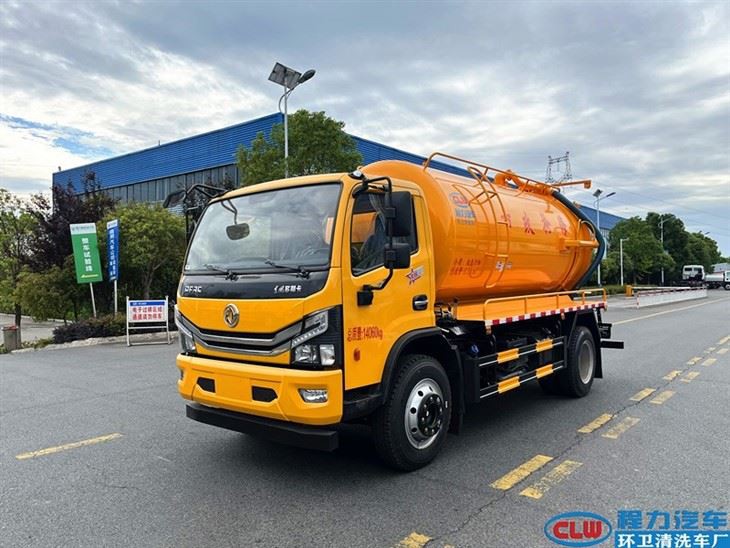

If your truck's hydraulic system is outdated, consider upgrading to a more advanced system. Newer hydraulic systems often offer better control and faster response times, which can improve the speed and precision of operations like tank lifting and boom movement.
Train Your Operators
No matter how great your sewage vacuum truck is, its performance can be limited by the skills of the operator. Providing proper training to your operators is essential for getting the most out of the truck.
Training should cover all aspects of operating the truck, from starting and stopping the engine to using the vacuum system and unloading the sewage. Operators should be taught how to perform basic maintenance tasks, such as checking fluid levels and inspecting hoses.
Proper operating techniques can also improve the performance of the truck. For example, operators should be trained to use the vacuum system at the right speed and pressure to avoid clogging the hoses. They should also know how to position the truck and the boom correctly to maximize the suction area.
Use High - Quality Parts
When it comes to upgrading and maintaining your sewage vacuum truck, using high - quality parts is non - negotiable. Cheap, low - quality parts may seem like a cost - effective option at first, but they often wear out quickly and can cause more problems in the long run.
Invest in parts from reputable manufacturers. For example, when replacing the engine components, look for parts that are specifically designed for your truck's make and model. High - quality parts are more durable and reliable, which can reduce downtime and save you money on repairs in the long term.
Monitor and Analyze Performance
To continuously improve the performance of your sewage vacuum truck, you need to monitor and analyze its performance. Keep a record of things like fuel consumption, suction power, and the time it takes to load and unload sewage.
You can use this data to identify trends and areas for improvement. For example, if you notice that the fuel consumption has been increasing steadily, it could be a sign of a problem with the engine or the vacuum system. By analyzing the data, you can take proactive steps to address the issue before it becomes a major problem.
Conclusion
Upgrading the performance of a sewage vacuum truck is a multi - faceted process that involves regular maintenance, upgrading key components, optimizing the design, and training operators. By following these tips, you can ensure that your truck runs efficiently, lasts longer, and provides better service.
If you're interested in upgrading your sewage vacuum truck or have any questions about our products, feel free to reach out. We're here to help you make the most of your investment and keep your operations running smoothly.
References
- "Sewage Vacuum Truck Maintenance Guide" by an industry expert
- Manufacturer's manuals for various sewage vacuum truck models


