


Hey there! As a supplier of LPG tanker trucks, I've seen firsthand how hot weather can throw a wrench into the mix when it comes to these vehicles. So, I thought I'd share some of the key considerations you need to keep in mind during those scorching summer months.
1. Temperature and Pressure Risks
One of the most critical things to understand is the relationship between temperature and pressure in an LPG tanker truck. LPG, or liquefied petroleum gas, is stored in a liquid state under pressure. When the temperature rises, the pressure inside the tank also goes up. This is because the gas expands as it heats up.
For instance, if you're driving an 9.8 Cubic Meter Tank Truck on a sweltering day, the pressure inside the tank can increase significantly. If the pressure gets too high, it can lead to safety issues, like the release of gas through the pressure relief valve. This not only wastes product but can also be a fire hazard.
To prevent this, it's essential to monitor the tank's pressure regularly. Most modern LPG tanker trucks are equipped with pressure gauges, so you can keep an eye on things. If you notice the pressure rising too quickly, you might need to take some action, like finding a shaded area to park and let the tank cool down.
2. Cooling Systems
Another important aspect is the cooling system of the tanker truck. Just like your car's engine needs to be cooled down, the LPG tank also requires proper cooling to maintain a safe temperature.
Some LPG tanker trucks come with built - in cooling systems. These systems work by either circulating a coolant around the tank or using a refrigeration unit to keep the temperature in check. For example, the Dongfeng Furika 9.9 Cubic Meter Tank Truck might be equipped with an advanced cooling system to handle high - temperature conditions.
However, these cooling systems need to be well - maintained. Make sure to check the coolant levels regularly and look for any signs of leaks or malfunctions. A faulty cooling system can quickly lead to overheating of the tank, which is a huge risk.
3. Tire Pressure
You might not think about it, but tire pressure is also affected by hot weather. When the temperature outside rises, the air inside the tires expands, causing the tire pressure to increase. This can lead to uneven wear on the tires and even blowouts.
For an LPG tanker truck, which is carrying a heavy load, proper tire pressure is crucial. Check the tire pressure before you start your journey and make sure it's within the recommended range. If the pressure is too high, you can let out a little air. But be careful not to let out too much, as under - inflated tires can also be dangerous.
4. Fuel Efficiency
Hot weather can also have an impact on the fuel efficiency of an LPG tanker truck. The engine has to work harder to keep the cooling system running and to overcome the increased air resistance on hot days. This means you'll burn more fuel than usual.
To improve fuel efficiency, you can take a few steps. For example, try to drive at a steady speed and avoid sudden accelerations and decelerations. Also, make sure the truck is properly maintained, with clean air filters and well - tuned engines. The FAW Jiefang 15 Cubic Meter Liquefied Gas Transport Truck is designed to be relatively fuel - efficient, but proper driving habits can still make a big difference.
5. Driver Comfort and Safety
Let's not forget about the driver. Driving an LPG tanker truck in hot weather can be extremely uncomfortable and dangerous. The cabin can get very hot, which can lead to fatigue and reduced concentration.
To keep the driver safe and comfortable, make sure the truck's air - conditioning system is working properly. Provide the driver with plenty of water to stay hydrated and encourage regular breaks. Fatigue can lead to mistakes, and when you're transporting LPG, even a small mistake can have serious consequences.
6. Maintenance and Inspections
Regular maintenance and inspections are even more important in hot weather. Before each trip, give the tanker truck a thorough check. Look for any signs of leaks, especially around the valves and connections. A small leak can quickly turn into a big problem in high - temperature conditions.
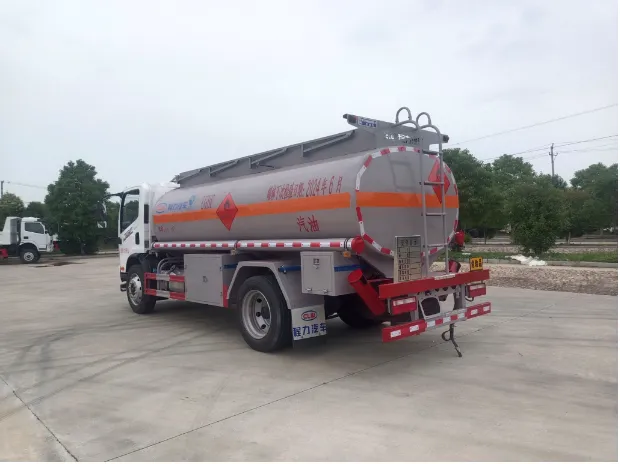
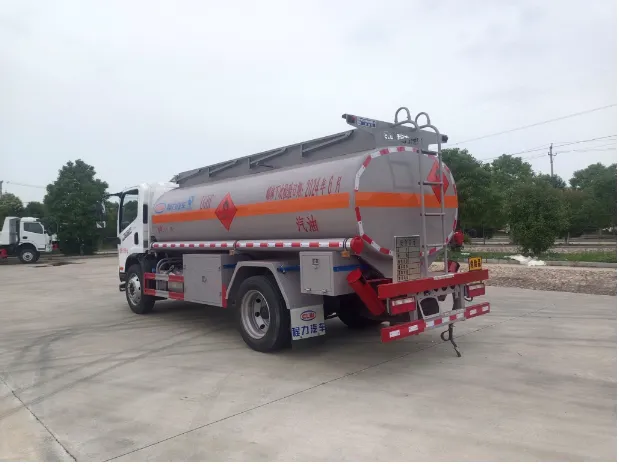
Check the hoses and pipes for any signs of damage or wear. The heat can cause rubber hoses to become brittle and crack. Replace any damaged parts immediately to prevent leaks.
Also, make sure the fire suppression system is in good working order. In case of an emergency, a functioning fire suppression system can save lives and prevent a major disaster.
7. Emergency Preparedness
Despite all the precautions, emergencies can still happen. That's why it's crucial to be prepared. Make sure the driver knows what to do in case of a leak, fire, or other emergencies. Provide them with proper training and emergency response plans.
Have the necessary safety equipment on board, like fire extinguishers, first - aid kits, and emergency communication devices. And make sure the driver knows how to use all of these items.
Conclusion
So, there you have it - the key hot - weather considerations for an LPG tanker truck. As a supplier, I know how important it is to keep these vehicles safe and efficient, especially in challenging weather conditions.
If you're in the market for an LPG tanker truck or need more information about how to handle them in hot weather, don't hesitate to reach out. We're here to help you make the right choice and ensure the safety of your operations.
References
- "LPG Handling and Storage Guidelines" - Industry Standard Publication
- "Truck Maintenance Handbook for High - Temperature Conditions" - Professional Trucking Association


