


Hey there! As a supplier of Sewage Vacuum Trucks, I often get asked about how to measure the level of sewage in these trucks. It's a crucial aspect, especially for efficient operation and preventing over - filling. In this blog, I'll share some practical methods and tips on this topic.
Why Measuring Sewage Level is Important
First off, let's talk about why it's so important to measure the sewage level in a sewage vacuum truck. For starters, over - filling can lead to a whole bunch of problems. It can cause spills, which are not only a mess but can also pose environmental risks. Sewage spills can contaminate soil, water sources, and even harm wildlife.
Secondly, from an operational perspective, knowing the sewage level helps in planning. You can estimate how many more pick - ups you can make before you need to empty the truck. This saves time and money by reducing unnecessary trips to the disposal site.
Manual Measurement Methods
One of the simplest ways to measure the sewage level is through manual methods. The most basic of these is the dipstick method. It's similar to checking the oil level in a car. You insert a long, marked stick into the sewage tank through an access port. Once the stick touches the bottom of the tank, you pull it out. The wet part of the stick indicates the level of sewage in the tank.
However, this method has its drawbacks. It can be messy, as you're directly in contact with the sewage. Also, it's not very accurate, especially if the sewage is thick or has debris. There's a risk of the debris sticking to the dipstick and giving a false reading.
Another manual method is using a sight glass. A sight glass is a transparent tube attached to the side of the sewage tank. The level of sewage in the tube corresponds to the level in the tank. You can simply look at the tube to see how full the tank is. This method is cleaner than the dipstick method, but it also has limitations. If the sewage is dirty or has a lot of solids, it can block the sight glass, making it difficult to get an accurate reading.
Electronic Measurement Methods
In recent years, electronic measurement methods have become more popular. One of the most common electronic sensors used is the ultrasonic sensor. Ultrasonic sensors work by emitting high - frequency sound waves. These waves bounce off the surface of the sewage and return to the sensor. The time it takes for the waves to return is used to calculate the distance between the sensor and the sewage surface, which in turn gives the level of sewage in the tank.
Ultrasonic sensors are great because they're non - contact. This means there's no need to insert anything into the sewage, reducing the risk of contamination and damage to the sensor. They're also quite accurate and can work well even in dirty or thick sewage. However, they can be affected by factors like temperature and humidity, which can slightly alter the speed of sound and thus affect the measurement.
Another type of electronic sensor is the pressure sensor. Pressure sensors measure the pressure exerted by the sewage at the bottom of the tank. Since the pressure is directly related to the depth of the sewage, the sensor can calculate the level of sewage based on the pressure reading. Pressure sensors are reliable and can work in a wide range of conditions. But they need to be properly calibrated, and they can be affected by factors like the density of the sewage.
Considerations for Choosing a Measurement Method
When choosing a measurement method for your sewage vacuum truck, there are a few things to consider. First, think about the accuracy you need. If you're dealing with strict regulations or need to make precise operational plans, an electronic sensor might be the way to go.
Cost is also an important factor. Manual methods are generally cheaper, as they don't require expensive sensors or electronics. However, they might not be as efficient in the long run, especially if you're operating a large fleet of trucks.
Ease of use is another consideration. If your operators are not very tech - savvy, a manual method like a sight glass might be more suitable. On the other hand, if you have well - trained staff, an electronic sensor can offer more benefits.
Maintenance of Measurement Systems
Regardless of which measurement method you choose, proper maintenance is essential. For manual methods like dipsticks and sight glasses, regular cleaning is necessary. Dipsticks should be washed thoroughly after each use to prevent the build - up of sewage and debris. Sight glasses need to be checked for blockages and cleaned if necessary.
For electronic sensors, they need to be calibrated regularly. Ultrasonic sensors might need to be adjusted for changes in temperature and humidity. Pressure sensors should be checked for accuracy and any signs of damage. It's also a good idea to have a backup measurement method in case the primary one fails.
Tips for Accurate Measurement
Here are some tips to ensure accurate measurement of the sewage level. First, make sure the truck is on a level surface when taking the measurement. If the truck is tilted, it can give an inaccurate reading, especially for methods like the dipstick and sight glass.
Secondly, take multiple measurements. This is especially important for manual methods, as they can be less accurate. By taking several readings and averaging them, you can get a more reliable result.
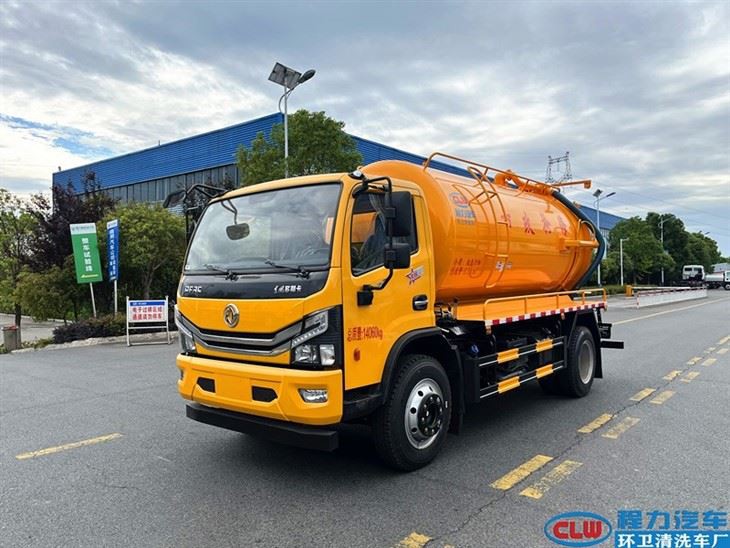

For electronic sensors, follow the manufacturer's instructions carefully. Make sure the sensors are installed correctly and are in good working condition.
Conclusion
Measuring the level of sewage in a sewage vacuum truck is an important task that can have a big impact on the efficiency and safety of your operations. Whether you choose a manual or electronic method, it's crucial to understand the advantages and limitations of each. By taking the time to choose the right measurement method and maintaining it properly, you can ensure accurate readings and avoid the problems associated with over - filling.
If you're in the market for a high - quality sewage vacuum truck or need more information on sewage level measurement, feel free to reach out. We're here to help you make the best decisions for your business.
References
- "Sewage Truck Operation and Maintenance Guide"
- "Principles of Electronic Sensors in Industrial Applications"
- "Environmental Regulations for Sewage Disposal"


