


As a supplier of LPG tanker trucks, I understand the critical importance of risk assessment in the transportation of liquefied petroleum gas (LPG). LPG is a highly flammable and potentially hazardous substance, and any incident involving an LPG tanker truck can have severe consequences for public safety, the environment, and property. In this blog post, I will discuss some of the key risk assessment methods for LPG tanker trucks and how they can help ensure the safe and efficient operation of these vehicles.
Hazard Identification
The first step in any risk assessment is to identify the potential hazards associated with the transportation of LPG. These hazards can include:
- Fire and Explosion: LPG is highly flammable and can ignite easily if it comes into contact with an ignition source. A fire or explosion involving an LPG tanker truck can cause significant damage to the vehicle, surrounding property, and the environment.
- Toxic Gas Release: LPG contains propane and butane, which are both toxic gases. A release of LPG can pose a serious health risk to people in the vicinity, especially if they are exposed to high concentrations of the gas.
- Mechanical Failure: LPG tanker trucks are complex vehicles that are subject to mechanical wear and tear. A mechanical failure, such as a tire blowout or a brake failure, can increase the risk of an accident.
- Human Error: Human error is a common cause of accidents in the transportation industry. Mistakes made by drivers, such as speeding, distracted driving, or improper loading and unloading procedures, can increase the risk of an incident involving an LPG tanker truck.
Risk Analysis
Once the potential hazards have been identified, the next step is to analyze the likelihood and consequences of each hazard occurring. This involves considering factors such as the frequency of transportation, the route taken, the condition of the vehicle, and the training and experience of the driver.

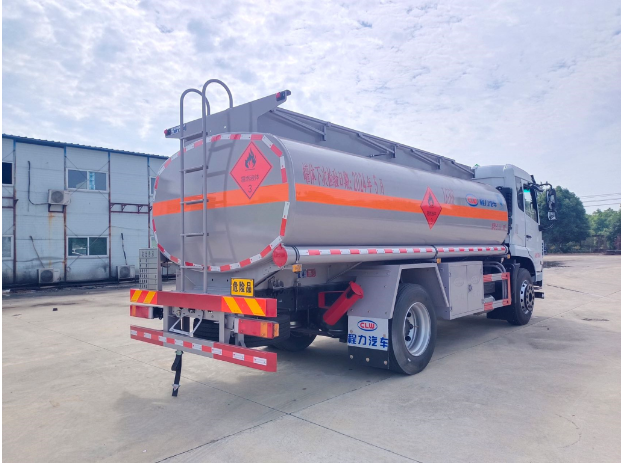
- Quantitative Risk Analysis: Quantitative risk analysis involves using mathematical models and statistical data to estimate the probability of an incident occurring and the potential consequences. This method can provide a more accurate assessment of risk but requires a significant amount of data and expertise.
- Qualitative Risk Analysis: Qualitative risk analysis involves using expert judgment and experience to assess the likelihood and consequences of each hazard. This method is less precise than quantitative risk analysis but can be more practical and cost-effective, especially for smaller companies or when data is limited.
Risk Evaluation
After the risk analysis has been completed, the next step is to evaluate the risks and determine whether they are acceptable or unacceptable. This involves comparing the estimated risks to established risk criteria, such as industry standards or regulatory requirements.
- Acceptable Risks: Risks that are considered acceptable are those that are within the established risk criteria and do not pose a significant threat to public safety, the environment, or property. These risks may be managed through normal operating procedures and maintenance practices.
- Unacceptable Risks: Risks that are considered unacceptable are those that exceed the established risk criteria and pose a significant threat to public safety, the environment, or property. These risks require immediate action to reduce or eliminate them.
Risk Mitigation
Once the risks have been evaluated, the next step is to develop and implement risk mitigation measures to reduce or eliminate the identified risks. These measures can include:
- Vehicle Design and Maintenance: Ensuring that LPG tanker trucks are designed and maintained to the highest safety standards is essential for reducing the risk of accidents. This includes regular inspections, maintenance, and repairs, as well as the use of safety features such as emergency shut-off valves and fire suppression systems.
- Driver Training and Certification: Providing drivers with comprehensive training and certification is crucial for ensuring that they are qualified and competent to operate LPG tanker trucks safely. This includes training on vehicle operation, safety procedures, emergency response, and hazard communication.
- Route Planning and Management: Planning and managing the routes taken by LPG tanker trucks can help reduce the risk of accidents. This includes avoiding high-traffic areas, congested roads, and areas with a high risk of natural disasters or other hazards.
- Emergency Response Planning: Developing and implementing an emergency response plan is essential for minimizing the consequences of an incident involving an LPG tanker truck. This includes having a trained emergency response team on standby, as well as the necessary equipment and supplies to respond to a fire, explosion, or toxic gas release.
Conclusion
In conclusion, risk assessment is a critical process for ensuring the safe and efficient operation of LPG tanker trucks. By identifying potential hazards, analyzing the risks, evaluating the risks, and implementing risk mitigation measures, we can reduce the likelihood and consequences of accidents involving these vehicles. As a supplier of LPG tanker trucks, we are committed to providing our customers with the highest quality products and services, and we take the safety of our customers and the public very seriously.
If you are interested in purchasing an LPG tanker truck, we offer a range of high-quality vehicles, including the Dongfeng Jincheng 13.4 Cubic Oil Tanker, the FAW Jiefang 15 Cubic Meter Liquefied Gas Transport Truck, and the 9.8 Cubic Meter Tank Truck. Our vehicles are designed and built to the highest safety standards, and we provide comprehensive training and support to ensure that our customers can operate them safely and efficiently.
If you have any questions or would like to discuss your specific requirements, please feel free to contact us. We look forward to working with you to meet your LPG transportation needs.
References
- American Petroleum Institute (API). (2019). Recommended Practice for the Design and Construction of Liquefied Petroleum Gas (LPG) Installations. API RP 581.
- International Maritime Organization (IMO). (2018). International Code for the Construction and Equipment of Ships Carrying Liquefied Gases in Bulk (IGC Code).
- National Fire Protection Association (NFPA). (2017). Liquefied Petroleum Gas Code. NFPA 58.
- Occupational Safety and Health Administration (OSHA). (2012). Hazardous Waste Operations and Emergency Response Standard. 29 CFR 1910.120.


