


When it comes to operating a tank truck, safety should always be the top priority. As a tank truck supplier, I understand the critical importance of adhering to strict safety precautions to prevent accidents, protect lives, and safeguard the environment. In this blog post, I will share some essential safety measures that operators should follow when handling tank trucks.
Pre - operation Checks
Before starting any journey, a thorough pre - operation check is essential. Inspect the tank truck's overall condition, including the chassis, tires, brakes, and steering system. Check the tire pressure to ensure it meets the manufacturer's specifications. Under - inflated or over - inflated tires can lead to poor handling and even blowouts, which are extremely dangerous on the road.
Examine the brakes carefully. Test the brake pedal for proper feel and responsiveness. Any signs of sponginess or excessive travel could indicate a brake system problem that needs immediate attention. The steering system should also be checked for play or stiffness. A well - functioning steering system is crucial for maintaining control of the large and heavy tank truck.
Inspect the tank itself. Look for any signs of damage, such as dents, cracks, or leaks. Pay special attention to the valves, fittings, and seals. A leak in the tank can result in the spillage of hazardous materials, which can have serious environmental and safety consequences. Check the gauges to ensure they are working correctly and providing accurate readings of the tank's contents.
Loading and Unloading
Loading and unloading operations are high - risk activities when it comes to tank trucks. First of all, ensure that the loading and unloading area is properly secured. This may involve setting up barriers to prevent unauthorized access and ensuring that the area is well - ventilated, especially when dealing with volatile or flammable substances.
When connecting the hoses, make sure they are properly attached and tightened. Use the correct type of hoses for the specific product being transported. Incorrect hoses can lead to leaks or even explosions if they are not compatible with the chemicals in the tank.

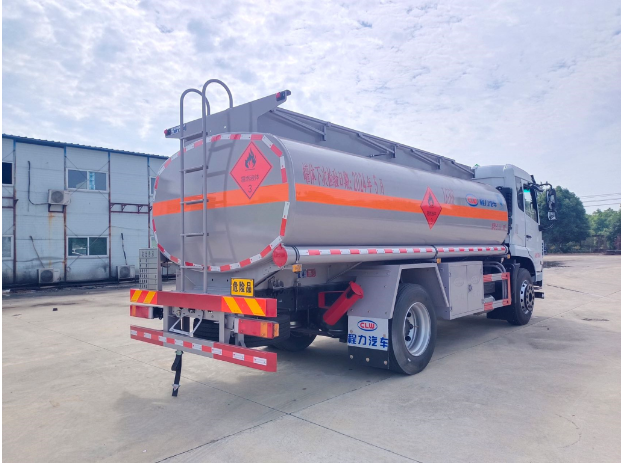
During loading, monitor the level of the product in the tank closely. Overfilling can cause spills and is a common cause of accidents. Many modern tank trucks are equipped with automatic overfill prevention devices, but it is still the operator's responsibility to double - check.
Unloading should also be carried out with extreme caution. Ensure that the receiving container or facility is suitable for the product. Ground the tank truck and the receiving equipment to prevent static electricity buildup, which can ignite flammable vapors. Static electricity is a significant hazard when handling flammable liquids, and proper grounding can eliminate this risk.
Driving Safety
Operating a tank truck on the road requires special skills and awareness. Due to the large size and weight of the vehicle, tank trucks have different handling characteristics compared to regular cars. Drivers should be well - trained in handling these vehicles.
When driving, maintain a safe speed. Tank trucks take longer to stop than smaller vehicles, so it is important to keep a safe distance from the vehicle in front. In adverse weather conditions, such as rain, snow, or fog, reduce speed even further.
Be aware of the center of gravity of the tank truck. The weight distribution in the tank can affect the vehicle's stability. When turning, make wide, slow turns to prevent the truck from tipping over. Avoid sudden acceleration or braking, as this can cause the liquid in the tank to shift and affect the vehicle's balance.
Use the appropriate signaling when changing lanes or making turns. Since tank trucks are large and can block the view of other drivers, clear signaling is essential to communicate your intentions.
Emergency Preparedness
Despite all the precautions, emergencies can still occur. Tank truck operators should be well - prepared to handle various emergency situations. Carry a well - stocked emergency kit on board, including fire extinguishers, first - aid supplies, and warning signs.
Know the location of the emergency shut - off valves on the tank. In case of a leak or fire, these valves can be used to stop the flow of the product and prevent further damage.
Be familiar with the emergency response procedures for different types of hazardous materials. Different chemicals require different response methods, and it is crucial to act quickly and correctly in an emergency.
In addition, operators should be trained in basic first - aid techniques. In case of an accident, being able to provide immediate first - aid can save lives.
Training and Certification
Proper training and certification are non - negotiable for tank truck operators. Operators should receive comprehensive training on the operation of the tank truck, including pre - operation checks, loading and unloading procedures, driving safety, and emergency response.
The training should be updated regularly to keep up with the latest safety standards and regulations. Certification programs ensure that operators have the necessary knowledge and skills to operate tank trucks safely.
Our Tank Truck Offerings
As a tank truck supplier, we offer a wide range of high - quality tank trucks to meet different customer needs. For example, the Dongfeng Jincheng 13.4 Cubic Oil Tanker is a reliable option for transporting oil. It is designed with safety in mind, featuring advanced safety systems and high - quality construction.
In addition to tank trucks, we also provide other types of trucks, such as Flatbed Wrecker and Crane Recovery Truck. These trucks are also built to the highest safety and quality standards.
If you are in the market for a tank truck or other related vehicles, we invite you to contact us for more information and to discuss your specific requirements. Our team of experts is ready to assist you in finding the right solution for your business.
Conclusion
Operating a tank truck safely is a complex but achievable task. By following the safety precautions outlined above, operators can significantly reduce the risk of accidents and ensure the safe transportation of hazardous materials. As a tank truck supplier, we are committed to providing high - quality vehicles and supporting our customers with the latest safety information and training. If you have any questions or are interested in purchasing a tank truck, please feel free to contact us for further details and to start the procurement negotiation process.
References
- "Tank Truck Safety Manual", National Tank Truck Carriers
- "Transportation of Hazardous Materials Regulations", Department of Transportation
- "Safe Loading and Unloading of Tank Trucks", Occupational Safety and Health Administration


