


Traffic congestion is a persistent challenge that affects various industries, and the transportation of LPG (liquefied petroleum gas) via tanker trucks is no exception. As a supplier of LPG tanker trucks, I've witnessed firsthand how traffic congestion can disrupt delivery schedules, increase operational costs, and pose safety risks. In this blog post, I'll explore some effective traffic congestion coping strategies for LPG tanker trucks, which can help ensure the smooth and efficient transportation of this valuable energy resource.
Route Planning and Optimization
One of the most fundamental strategies for coping with traffic congestion is careful route planning. By leveraging advanced mapping and traffic prediction tools, LPG tanker truck drivers can identify the most efficient routes to their destinations, taking into account real - time traffic conditions, road closures, and peak traffic hours.
Modern GPS systems and mobile applications offer features that can provide up - to - date traffic information. These tools can suggest alternative routes in case of unexpected congestion, allowing drivers to avoid gridlocks and reduce travel time. For example, some apps analyze historical traffic data and current road conditions to predict future congestion, enabling drivers to plan their trips more effectively.
As a supplier, we often recommend our customers to invest in high - quality GPS navigation systems that are specifically designed for commercial vehicles. These systems can factor in the size and weight of LPG tanker trucks, ensuring that the selected routes are suitable for large vehicles. Additionally, we provide training to drivers on how to use these tools effectively to optimize their routes.
Off - Peak Delivery Scheduling
Another effective strategy is to schedule LPG tanker truck deliveries during off - peak hours. Traffic congestion is typically more severe during rush hours, which are usually in the morning and evening on weekdays. By avoiding these peak periods, drivers can significantly reduce the time spent in traffic.
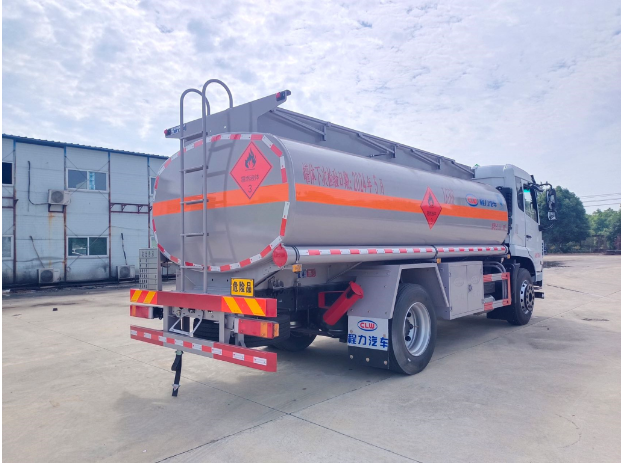

For instance, scheduling deliveries during the late night or early morning hours can be a smart move. Not only is the traffic lighter, but there are also fewer distractions on the road, which can enhance safety. However, this approach requires careful coordination with customers to ensure that they can receive the LPG at the scheduled time.
We work closely with our customers to develop delivery schedules that take into account their operational needs and the traffic patterns in the area. By having open communication channels, we can adjust the delivery times to minimize the impact of traffic congestion.
Fleet Management and Vehicle Maintenance
Proper fleet management is crucial for coping with traffic congestion. Maintaining a well - maintained fleet of LPG tanker trucks can improve their reliability and performance, reducing the likelihood of breakdowns that can further exacerbate traffic issues.
Regular vehicle maintenance, including engine tune - ups, brake inspections, and tire rotations, is essential. A well - maintained truck is less likely to experience mechanical problems on the road, which can cause delays and potentially block traffic. We offer maintenance packages to our customers, ensuring that their LPG tanker trucks are in top - notch condition.
In addition, efficient fleet management involves monitoring the performance of each truck in real - time. Telematics systems can be installed in the vehicles to track their location, speed, and fuel consumption. This data can be used to identify any inefficiencies in the fleet and make adjustments accordingly. For example, if a particular truck is consuming more fuel than usual, it could indicate a mechanical issue that needs to be addressed.
Collaboration with Local Authorities
Collaboration with local authorities can also play a significant role in coping with traffic congestion. Local transportation departments often have valuable information about road construction projects, traffic management plans, and upcoming events that could affect traffic flow.
We encourage our customers to establish relationships with local authorities and stay informed about any changes in the road network. By working together, we can find solutions to traffic problems that are specific to the area. For example, local authorities may be able to provide special permits for LPG tanker trucks to use certain lanes or access restricted areas during off - peak hours.
Moreover, we support initiatives by local authorities to improve traffic infrastructure. This could include advocating for the construction of new roads, the expansion of existing ones, or the implementation of intelligent transportation systems. By being part of these efforts, we can contribute to a more efficient traffic environment for LPG tanker trucks.
Vehicle Design and Technology Advancements
The design and technology of LPG tanker trucks can also contribute to coping with traffic congestion. Newer models are often equipped with features that improve fuel efficiency and reduce emissions, which can be beneficial in congested traffic conditions.
For example, some LPG tanker trucks are designed with aerodynamic shapes to reduce drag, which in turn improves fuel economy. Hybrid or electric LPG tanker trucks are also emerging as viable options, as they can operate more quietly and with lower emissions. These vehicles can be particularly advantageous in urban areas where traffic congestion is common and environmental regulations are strict.
As a supplier, we are constantly researching and developing new technologies to improve the performance of our LPG tanker trucks. We offer a range of models, such as the FAW Jiefang 15 Cubic Meter Liquefied Gas Transport Truck, Dongfeng Furika 9.9 Cubic Meter Tank Truck, and Dongfeng Jincheng 13.4 Cubic Oil Tanker, which incorporate the latest advancements in vehicle design and technology.
Driver Training and Safety Awareness
Well - trained drivers are essential for coping with traffic congestion. Drivers need to have the skills and knowledge to handle challenging traffic situations safely and efficiently.
We provide comprehensive training programs for drivers, which include defensive driving techniques, traffic law compliance, and emergency response procedures. Defensive driving training teaches drivers how to anticipate potential hazards on the road and take proactive measures to avoid accidents. For example, drivers are trained to maintain a safe following distance, especially in congested traffic, to prevent rear - end collisions.
Safety awareness is also a key component of our training. Drivers are educated about the importance of adhering to safety regulations, such as wearing seat belts, using turn signals, and conducting pre - trip inspections. By promoting a culture of safety, we can reduce the risk of accidents that can cause traffic disruptions.
Conclusion
Traffic congestion is a complex problem, but with the right strategies, LPG tanker truck operators can minimize its impact on their operations. Route planning, off - peak delivery scheduling, fleet management, collaboration with local authorities, vehicle design advancements, and driver training are all important aspects of coping with traffic congestion.
As a supplier of LPG tanker trucks, we are committed to supporting our customers in implementing these strategies. We offer a wide range of products and services to help them optimize their transportation operations. If you are interested in learning more about our LPG tanker trucks or need advice on coping with traffic congestion, please feel free to contact us. We look forward to collaborating with you to ensure the efficient and safe transportation of LPG.
References
- Federal Highway Administration. (n.d.). Traffic Congestion and Reliability: Trends and Advanced Strategies for Congestion Mitigation.
- Transportation Research Board. (2019). Strategies for Reducing Traffic Congestion in Urban Areas.
- American Trucking Associations. (2020). Best Practices for Fleet Management in Congested Traffic Conditions.


