


Hey there! As a supplier of Foam Fire Trucks, I often get asked about the differences between regular fire trucks and foam fire trucks. So, I thought I'd take a few minutes to break it down for you.
Let's start with the regular fire trucks. These are the ones you typically see in your local fire department. They're designed to handle a wide range of fires, from small kitchen blazes to large building fires. Regular fire trucks are usually equipped with a large water tank, a powerful pump, and hoses. The water tank can hold anywhere from a few hundred gallons to several thousand gallons of water, depending on the size of the truck. The pump is used to draw water from the tank and send it through the hoses at high pressure, allowing firefighters to reach the fire quickly and effectively.
One of the main advantages of regular fire trucks is their versatility. Water is a great extinguishing agent for most types of fires, especially those involving ordinary combustibles like wood, paper, and fabric. It cools the fire and reduces the heat, which helps to prevent the fire from spreading. Regular fire trucks are also relatively easy to maintain and operate, which makes them a popular choice for many fire departments.
For example, the Sinotruk HOWO 16 - ton Pumper - Tanker is a well - known regular fire truck. It has a large water - carrying capacity and a reliable pumping system, making it suitable for various firefighting scenarios in urban and rural areas.
Now, let's talk about foam fire trucks. Foam fire trucks are specialized vehicles that are designed to fight fires that involve flammable liquids, such as gasoline, oil, and chemicals. These types of fires are known as Class B fires, and they can be extremely dangerous because they burn very hot and can spread quickly.
Foam fire trucks are equipped with a foam system in addition to the standard water tank and pump. The foam system consists of a foam concentrate tank, a proportioner, and a foam nozzle. The foam concentrate is a special chemical that, when mixed with water in the right proportions, creates a thick, sticky foam. This foam has several important properties that make it effective for fighting Class B fires.
First of all, the foam forms a barrier between the fuel and the oxygen in the air. This cuts off the supply of oxygen to the fire, which helps to extinguish it. Second, the foam cools the fuel, reducing its temperature and preventing it from vaporizing and reigniting. Third, the foam can also help to prevent the spread of the fire by covering the surface of the fuel and preventing it from flowing.
One of the key differences between regular fire trucks and foam fire trucks is the type of fires they're best suited for. While regular fire trucks can be used to fight some Class B fires, they're not as effective as foam fire trucks. Water alone can sometimes spread the flammable liquid, making the fire worse. Foam fire trucks, on the other hand, are specifically designed to handle these types of fires safely and effectively.
Another difference is the cost and complexity. Foam fire trucks are generally more expensive than regular fire trucks. This is because the foam system is more complex and requires more maintenance. The foam concentrate itself can also be costly, and it needs to be stored and handled properly. Additionally, firefighters need to be trained specifically on how to operate the foam system, which adds to the overall cost.
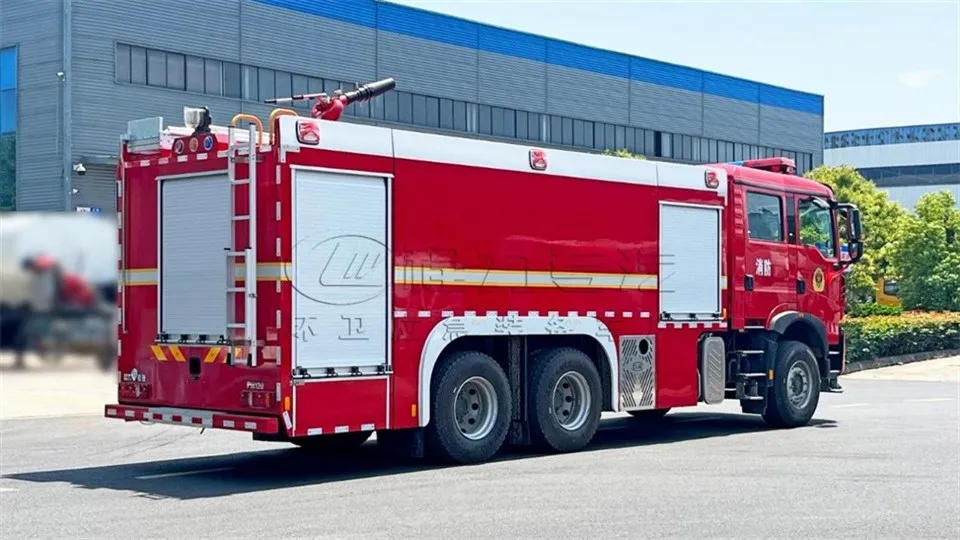
Take our Foam Fire Truck for example. It's built with high - quality components and a state - of - the - art foam system. The foam proportioner is calibrated to ensure the perfect mixture of foam concentrate and water, and the foam nozzle is designed to deliver the foam precisely where it's needed.
In terms of applications, regular fire trucks are used in a wide variety of situations. They're often the first responders to fires in residential areas, commercial buildings, and industrial facilities. They can also be used for other purposes, such as providing water for decontamination or for fighting wildfires in some cases.
Foam fire trucks, on the other hand, are mainly used in areas where there's a high risk of flammable liquid fires. This includes oil refineries, chemical plants, airports, and fuel storage facilities. At airports, for instance, foam fire trucks are on standby to respond quickly in case of an aircraft fuel spill or fire.
When it comes to maintenance, regular fire trucks need to have their water tanks, pumps, and hoses inspected and maintained regularly. This includes checking for leaks, ensuring the pump is working properly, and replacing any worn - out parts. Foam fire trucks, in addition to these regular maintenance tasks, also need to have their foam system inspected and maintained. This includes checking the foam concentrate level, testing the proportioner, and cleaning the foam nozzles.
In summary, regular fire trucks are great all - around vehicles for fighting a wide range of fires, especially those involving ordinary combustibles. They're versatile, relatively easy to operate and maintain, and are a staple in most fire departments. Foam fire trucks, on the other hand, are specialized vehicles designed for fighting fires involving flammable liquids. They're more effective for these types of fires, but they're also more expensive and complex.
If you're in the market for a fire truck, it's important to consider your specific needs. If you're dealing with a lot of Class B fires, a foam fire truck might be the right choice for you. But if you need a general - purpose vehicle for a variety of firefighting scenarios, a regular fire truck could be a better option.
As a Foam Fire Truck supplier, we're here to help you make the right decision. Whether you're a small local fire department or a large industrial facility, we can provide you with the information and support you need to choose the best fire truck for your situation. If you're interested in learning more about our foam fire trucks or have any questions about the differences between regular and foam fire trucks, don't hesitate to reach out. We'd love to have a chat with you and discuss your requirements. Let's work together to ensure your firefighting needs are met effectively and efficiently.

References:
- Firefighting Equipment Handbook
- National Fire Protection Association (NFPA) Standards


