


A gas leak is a hazardous situation that poses significant risks to both human lives and property. In such scenarios, the role of a fire truck extends far beyond just extinguishing fires. As a fire truck supplier, I understand the critical functions these vehicles play in gas leak emergencies and the advanced features that make them indispensable in ensuring public safety.
Initial Response and Assessment
When a fire truck arrives at the scene of a gas leak, the first step is to assess the situation. Firefighters use specialized equipment, such as gas detectors, to determine the type of gas, its concentration, and the extent of the leak. This information is crucial for formulating an appropriate response strategy.
The fire truck serves as a mobile command center during this phase. It is equipped with communication systems that allow firefighters to coordinate with other emergency responders, such as police and hazardous materials teams. This seamless communication ensures a unified and efficient response to the gas leak.
Containment and Isolation
Once the situation has been assessed, the fire truck's next role is to contain and isolate the gas leak. Firefighters use a variety of techniques to achieve this, depending on the nature of the gas and the location of the leak.
One common method is to use water spray to disperse the gas and reduce its concentration in the air. The fire truck's powerful pumps can deliver a large volume of water at high pressure, creating a mist that helps to dilute the gas and prevent it from spreading.
In addition to water spray, firefighters may also use foam to contain the gas. Foam Fire Trucks are specifically designed for this purpose. They are equipped with foam generators that can produce a thick layer of foam to cover the leak and prevent the gas from escaping.
Fire Prevention and Suppression
Gas leaks are often accompanied by the risk of fire or explosion. The fire truck plays a crucial role in preventing and suppressing these potential hazards.
Firefighters use the fire truck's water cannons and hoses to create a barrier between the gas leak and any potential ignition sources. This helps to prevent the gas from coming into contact with flames or sparks, reducing the risk of a fire or explosion.
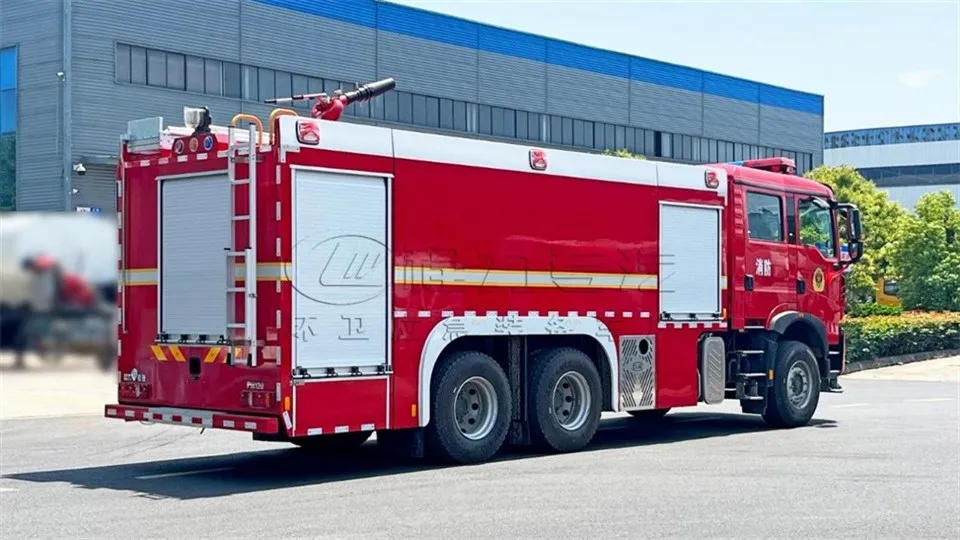
If a fire does break out, the fire truck is ready to respond immediately. The Sinotruk HOWO 16 - ton Pumper - Tanker is a powerful and reliable vehicle that can deliver a large volume of water to extinguish the fire quickly. Its advanced pumping system and large water tank ensure that firefighters have a continuous supply of water to fight the fire effectively.
Evacuation and Rescue
In some cases, a gas leak may pose a significant threat to the safety of nearby residents and workers. The fire truck is an essential tool in facilitating evacuation and rescue operations.
Firefighters use the fire truck's loudspeakers to alert the public and provide instructions on how to evacuate safely. They also use the vehicle's lights and sirens to guide people to safety and to clear the way for emergency responders.
If there are people trapped in the affected area, the fire truck is equipped with specialized rescue equipment, such as ladders, hydraulic tools, and breathing apparatus. Firefighters can use these tools to access hard - to - reach areas and rescue those in need.
Decontamination and Clean - up
After the gas leak has been contained and the fire has been extinguished, the fire truck is also involved in the decontamination and clean - up process.
Firefighters use the fire truck's water supply to wash away any remaining gas or contaminants from the affected area. They also use specialized cleaning agents and equipment to remove any traces of the gas from surfaces and structures.

The fire truck's waste management systems are designed to collect and dispose of the contaminated water and debris safely. This helps to prevent further environmental contamination and ensures that the area is safe for re - entry.
Advanced Features of Modern Fire Trucks
Modern fire trucks are equipped with a range of advanced features that enhance their effectiveness in gas leak situations. These features include:
- Remote - controlled water cannons: These allow firefighters to operate the water cannons from a safe distance, reducing their exposure to the hazardous gas.
- Thermal imaging cameras: These cameras can detect the presence of gas and other hazards in low - visibility conditions, helping firefighters to identify the source of the leak and potential ignition sources.
- GPS tracking systems: These systems enable the fire truck to be located quickly and accurately, ensuring a rapid response to the gas leak.
- Self - contained breathing apparatus (SCBA): Firefighters wear SCBAs to protect themselves from inhaling the toxic gas. The fire truck is equipped with a supply of SCBAs and charging stations to ensure that firefighters have a continuous supply of clean air.
The Importance of Regular Maintenance and Training
To ensure that fire trucks are ready to respond effectively to gas leak situations, regular maintenance and training are essential.
As a fire truck supplier, I recommend that fire departments conduct regular inspections and maintenance on their vehicles to ensure that all systems are in good working condition. This includes checking the pumps, hoses, water tanks, and other critical components.
In addition to maintenance, firefighters should receive regular training on how to respond to gas leak emergencies. This training should include how to use the fire truck's equipment, how to assess the situation, and how to implement the appropriate response strategies.
Conclusion
In conclusion, the role of a fire truck in a gas leak situation is multi - faceted and critical. From initial response and assessment to containment, fire prevention, evacuation, and clean - up, fire trucks are essential in ensuring public safety and minimizing the damage caused by gas leaks.
As a fire truck supplier, I am committed to providing high - quality, reliable fire trucks that are equipped with the latest technology and features to meet the challenges of gas leak emergencies. If you are interested in learning more about our fire trucks or would like to discuss your specific needs, please feel free to contact us for a procurement consultation.
References
- National Fire Protection Association (NFPA). (Year). NFPA standards for fire trucks and emergency response vehicles.
- Firefighting and Emergency Response Handbook. (Publisher, Year).


