


Hey there! As a supplier of Concrete Agi Trucks, I often get asked about the unloading chute angle adjustment range of these beasts. It's a crucial aspect that can make or break the efficiency of your concrete pouring operations. So, let's dive right in and explore this topic in detail.
Why the Unloading Chute Angle Matters
First off, why is the unloading chute angle such a big deal? Well, think about it. When you're pouring concrete, you need to be able to direct the flow precisely where it's needed. Whether you're filling a small formwork or a large foundation, the right chute angle ensures that the concrete lands exactly where you want it, minimizing spillage and waste.
Moreover, the chute angle can also affect the speed and consistency of the concrete flow. A steeper angle might allow for a faster pour, but it could also lead to a more turbulent flow, which might not be ideal for some applications. On the other hand, a shallower angle can provide a more controlled and steady flow, but it might take longer to complete the pour.
Typical Unloading Chute Angle Adjustment Range
So, what's the typical unloading chute angle adjustment range for a Concrete Agi Truck? Generally speaking, most trucks offer an adjustment range of around 15 to 45 degrees. This range gives you a good amount of flexibility to adapt to different pouring scenarios.
At the lower end of the range (around 15 degrees), you have a more gentle slope. This is great for situations where you need a slow and precise pour, like when filling small gaps or working in tight spaces. The slower flow rate also helps to prevent segregation of the concrete, ensuring a more uniform mix.
On the other hand, at the upper end of the range (around 45 degrees), you get a much steeper slope. This is ideal for large-scale pours where you need to move a lot of concrete quickly. The faster flow rate can significantly reduce the time it takes to complete the pour, increasing overall productivity.
Factors Affecting the Ideal Angle
Of course, the ideal unloading chute angle isn't just about the numbers. There are several factors that can influence which angle is best for a particular job. Let's take a look at some of these factors:
Concrete Consistency
The consistency of the concrete plays a big role in determining the optimal chute angle. If the concrete is very wet and fluid, a shallower angle might be sufficient to ensure a smooth flow. However, if the concrete is more stiff and viscous, a steeper angle might be needed to get it moving.
Pouring Height
The height from which you're pouring the concrete also matters. If you're pouring from a great height, a steeper angle might be necessary to prevent the concrete from splashing or spreading out too much. Conversely, if you're pouring at a lower height, a shallower angle might be more appropriate.
Pouring Location
The location of the pour can also affect the chute angle. For example, if you're pouring into a narrow trench or a formwork with limited access, you might need to adjust the angle to ensure that the concrete reaches the desired spot without getting stuck or spilling over the edges.
Adjusting the Unloading Chute Angle
Most Concrete Agi Trucks are equipped with a simple and easy-to-use mechanism for adjusting the unloading chute angle. In many cases, it's just a matter of operating a lever or a hydraulic control to change the angle. Some trucks even come with automated systems that allow you to adjust the angle remotely, making the process even more convenient.
It's important to note that when adjusting the chute angle, you should always do it slowly and carefully. Sudden or rapid adjustments can cause the concrete to flow erratically, leading to spillage and potential safety hazards.
Benefits of a Wide Adjustment Range
Having a wide unloading chute angle adjustment range offers several benefits for concrete contractors. Here are just a few:

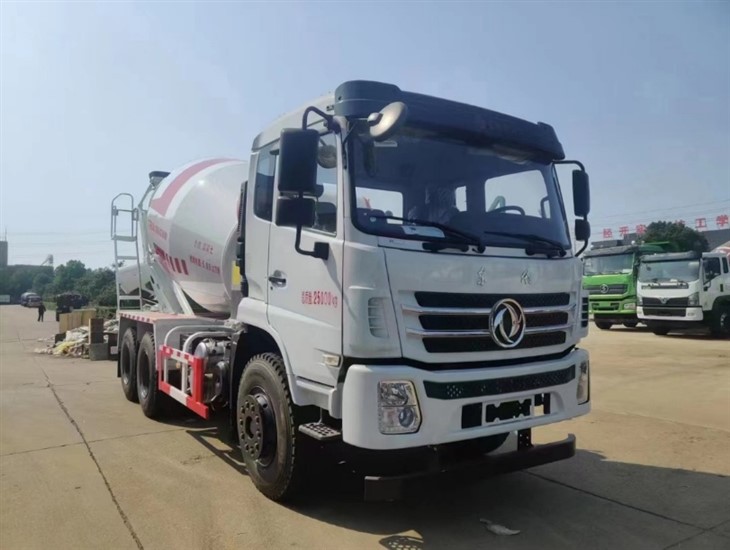
Versatility
With a wide range of angles to choose from, you can tackle a variety of pouring jobs with a single truck. Whether you're working on a small residential project or a large commercial development, you'll be able to adjust the chute angle to suit the specific requirements of the job.
Efficiency
The ability to adjust the chute angle quickly and easily can significantly improve the efficiency of your concrete pouring operations. You can optimize the flow rate and direction of the concrete, reducing the time it takes to complete the pour and minimizing waste.
Safety
A proper chute angle adjustment helps to ensure a more controlled and stable flow of concrete, reducing the risk of spills and accidents. This not only protects your workers and equipment but also helps to maintain a clean and safe work environment.
Our Concrete Agi Trucks
At our company, we understand the importance of a reliable and adjustable unloading chute. That's why our Concrete Agi Trucks are designed with a wide unloading chute angle adjustment range to meet the diverse needs of our customers.
Our trucks are equipped with high-quality hydraulic systems that allow for smooth and precise angle adjustments. We also offer a range of optional features, such as remote control operation and automated angle adjustment, to make your concrete pouring experience even more convenient and efficient.
Contact Us for More Information
If you're in the market for a Concrete Agi Truck or have any questions about the unloading chute angle adjustment range, we'd love to hear from you. Our team of experts is here to help you find the right truck for your needs and provide you with all the information you need to make an informed decision.
Whether you're a small contractor looking for a reliable workhorse or a large construction company in need of a fleet of trucks, we have the solutions to meet your requirements. So, don't hesitate to reach out and start a conversation with us. Let's work together to take your concrete pouring operations to the next level.
References
- Concrete Construction Handbook. McGraw-Hill Education.
- ACI Manual of Concrete Practice. American Concrete Institute.


