


As a supplier of Sprinkler Tankers, ensuring the proper functioning of the sprinkler system is crucial. A well - tested sprinkler system not only guarantees the efficiency of the Sprinkler Tanker but also extends its service life. In this blog, I'll share some comprehensive steps on how to test the sprinkler system of a Sprinkler Tanker.
Pre - test Preparations
Before starting the actual testing, it's essential to carry out a series of pre - test preparations. First, conduct a visual inspection of the entire Sprinkler Tanker. Check the exterior of the tanker for any signs of physical damage, such as dents, cracks, or loose parts. Pay special attention to the pipes, nozzles, and hoses of the sprinkler system. Any visible damage here can significantly affect the performance of the system.
Next, check the water tank. Ensure that it is clean and free from any debris or contaminants that could clog the sprinkler nozzles. Also, verify the water level in the tank. For an accurate test, the tank should be filled to an appropriate level. Usually, filling it to about 70 - 80% capacity is recommended. This allows for sufficient water pressure during the test without overloading the system.
Inspect the power source of the Sprinkler Tanker. Whether it's an engine - driven pump or an electric - powered system, make sure it is in good working condition. Check the fuel level (if it's engine - driven) or the battery charge (if it's electric). Faulty power sources can lead to inconsistent water pressure and affect the testing results.
Pressure Testing
The first step in testing the sprinkler system is to check the water pressure. Pressure is a key factor that determines the reach and coverage of the water spray. To start, connect a pressure gauge to the main outlet of the sprinkler system. This gauge will provide real - time readings of the water pressure.
Start the power source of the Sprinkler Tanker and gradually increase the power to the pump. Observe the pressure gauge. The ideal water pressure for a Sprinkler Tanker's sprinkler system typically ranges from 30 to 50 psi (pounds per square inch). However, this can vary depending on the specific model and design of the tanker.
If the pressure is too low, it could indicate several problems. There might be a blockage in the pipes or nozzles, a malfunctioning pump, or a leak in the system. On the other hand, if the pressure is too high, it can cause excessive wear and tear on the pipes and nozzles, and may even lead to pipe bursts.
To troubleshoot low - pressure issues, start by checking the intake filter. A clogged filter can restrict the water flow and reduce the pressure. Clean or replace the filter if necessary. Next, inspect the pipes for any blockages. You can use a pipe - cleaning tool to remove any debris or sediment that might be obstructing the water flow.

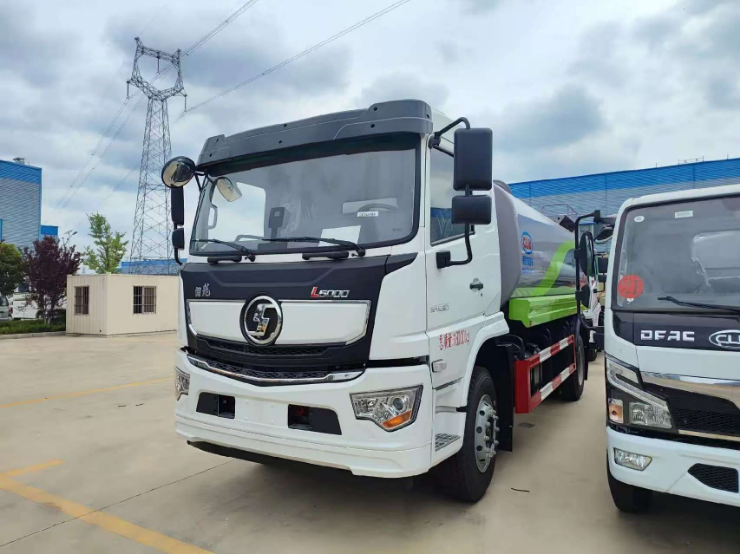
If the pressure is too high, check the pressure relief valve. This valve is designed to release excess pressure and protect the system. If it's not working properly, it may need to be repaired or replaced.
Nozzle Testing
After ensuring the proper water pressure, it's time to test the nozzles. The nozzles are responsible for dispersing the water in a specific pattern and coverage area. Start by turning on the sprinkler system and observing the water spray pattern.
The water should be evenly distributed in a wide - spread pattern. If you notice any unevenness in the spray, such as gaps or concentrated streams, it could mean that some nozzles are clogged or damaged. To check for clogged nozzles, turn off the system and remove the nozzles one by one. Inspect them for any debris or blockages. You can clean the nozzles using a small brush or a nozzle - cleaning kit.
Measure the spray distance of the nozzles. The spray distance should be consistent across all nozzles. If some nozzles have a shorter spray distance than others, it may be due to a difference in the nozzle size or a problem with the internal structure of the nozzle. Replace any damaged or malfunctioning nozzles to ensure uniform water distribution.
Pattern and Coverage Testing
In addition to the nozzle - level testing, it's important to test the overall pattern and coverage of the sprinkler system. Mark a test area on a flat surface, such as a large parking lot or an open field. The size of the test area should be appropriate for the intended use of the Sprinkler Tanker.
Drive the Sprinkler Tanker through the test area at a constant speed while the sprinkler system is operating. After passing through the area, observe the wet pattern on the ground. The water should cover the area evenly without any large dry spots.
Use a grid or a measurement tool to calculate the coverage area. Compare the actual coverage area with the specifications provided by the manufacturer. If the coverage is less than expected, it could be due to incorrect nozzle settings, low water pressure, or a problem with the tanker's movement speed.
Adjust the nozzle angles and settings if necessary to improve the coverage. Some Sprinkler Tankers allow for adjustable nozzles, which can be customized according to different application scenarios.
Flow Rate Testing
The flow rate of the sprinkler system is another important parameter to test. The flow rate indicates how much water is being delivered per unit of time. To measure the flow rate, you can use a flow meter installed in the main pipe of the sprinkler system.
Start the Sprinkler Tanker's sprinkler system and record the flow rate reading on the flow meter. The flow rate should be within the recommended range for the specific model of the Sprinkler Tanker. A low flow rate can result in insufficient water coverage, while a high flow rate can waste water and put unnecessary stress on the system.
If the flow rate is not within the desired range, check the pump's performance. A malfunctioning pump may not be able to deliver the required amount of water. Also, examine the pipes for any restrictions or leaks that could affect the flow rate.
Post - test Maintenance
After completing all the tests, it's important to perform some post - test maintenance. Turn off the Sprinkler Tanker and drain any remaining water from the system. This helps prevent corrosion and freezing (in cold weather).
Clean the nozzles and pipes thoroughly to remove any remaining debris or sediment. Lubricate any moving parts, such as valves and pumps, to ensure smooth operation in the future.
Inspect all the connections and fasteners for tightness. Loose connections can lead to leaks during normal operation. Tighten any loose parts as needed.
Conclusion
Testing the sprinkler system of a Sprinkler Tanker is a comprehensive process that involves multiple steps, from pre - test preparations to post - test maintenance. By following these steps, you can ensure that the sprinkler system is in optimal working condition, providing efficient and reliable performance.
If you are interested in our Sprinkler Tanker products or other related sanitation trucks like Sprinkler Truck and 10cbm Sewage Suction Truck, feel free to contact us for more information and to start a procurement negotiation. We are committed to providing high - quality products and excellent service to meet your needs.
References
- "Sprinkler System Design and Installation Manual" - A technical guide on the design and installation of sprinkler systems.
- Manufacturer's specifications and user manuals for Sprinkler Tankers.


