


Hey there! As a supplier of concrete mixer trucks, I've been thinking a lot about the air pollution situation these vehicles create. It's a hot topic, and it's something that affects not just the environment but also our daily lives. So, let's dig into what's going on with the air pollution from concrete mixer trucks.
First off, let's understand how these trucks work. A concrete mixer truck is basically a big, mobile factory on wheels. It takes in raw materials like cement, water, sand, and gravel, mixes them up on the go, and then delivers fresh concrete to construction sites. Sounds cool, right? But the process isn't without its drawbacks when it comes to air pollution.
One of the main sources of air pollution from concrete mixer trucks is the exhaust emissions. These trucks are usually powered by diesel engines, and diesel engines are known for emitting a whole bunch of pollutants. The most common ones are particulate matter (PM), nitrogen oxides (NOx), carbon monoxide (CO), and hydrocarbons (HC).
Particulate matter is tiny particles of soot and other stuff that get released into the air when the diesel fuel burns. These particles are so small that they can easily be inhaled into our lungs, causing all sorts of health problems like respiratory issues, heart disease, and even cancer. Nitrogen oxides, on the other hand, are a major contributor to smog and acid rain. They react with other chemicals in the air to form ozone, which is not only bad for the environment but also for our health. High levels of ozone can cause coughing, wheezing, and shortness of breath, especially in people with asthma or other respiratory conditions.
Carbon monoxide is a colorless, odorless gas that can be really dangerous. When we breathe it in, it binds to our red blood cells and prevents them from carrying oxygen effectively. This can lead to headaches, dizziness, nausea, and in severe cases, even death. Hydrocarbons are also a problem because they react with nitrogen oxides in the presence of sunlight to form ground - level ozone.
Another source of air pollution from concrete mixer trucks is the dust generated during the loading and unloading of the concrete. When the raw materials are being poured into the mixer or when the finished concrete is being discharged at the construction site, a lot of dust gets kicked up into the air. This dust contains fine particles of cement and other materials, which can be harmful if inhaled. Cement dust, in particular, can cause irritation to the eyes, nose, and throat, and long - term exposure can lead to a lung disease called silicosis.
Now, you might be wondering what's being done to reduce the air pollution from these trucks. Well, there have been some significant improvements in recent years. Many manufacturers, including us, are now equipping our concrete mixer trucks with advanced emission control technologies. For example, diesel particulate filters (DPFs) are being used to trap and remove particulate matter from the exhaust gases. These filters can reduce PM emissions by up to 90%. Selective catalytic reduction (SCR) systems are also being installed to reduce nitrogen oxide emissions. SCR systems use a urea - based solution to convert NOx into nitrogen and water, which are harmless substances.
In addition to these technological solutions, there are also some operational changes that can be made to reduce air pollution. For example, drivers can be trained to operate the trucks more efficiently, avoiding unnecessary idling. Idling is when the engine is running but the truck isn't moving, and it's a major source of unnecessary emissions. By turning off the engine when the truck is not in use, we can significantly reduce the amount of pollutants being released into the air.
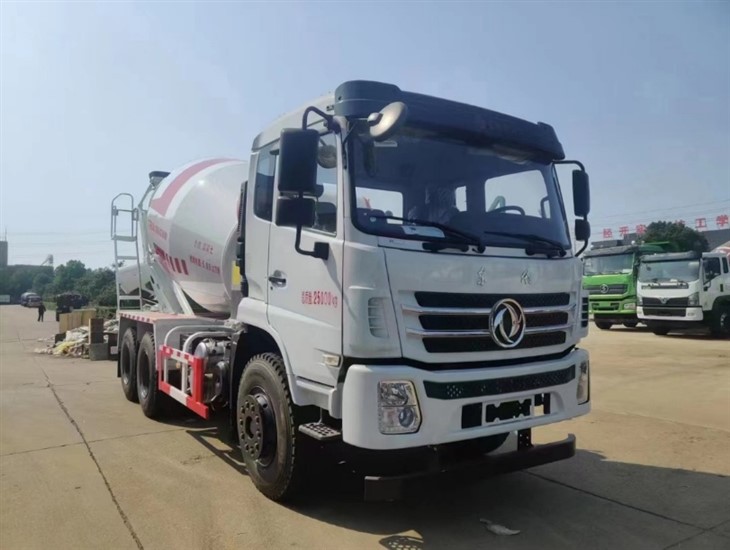
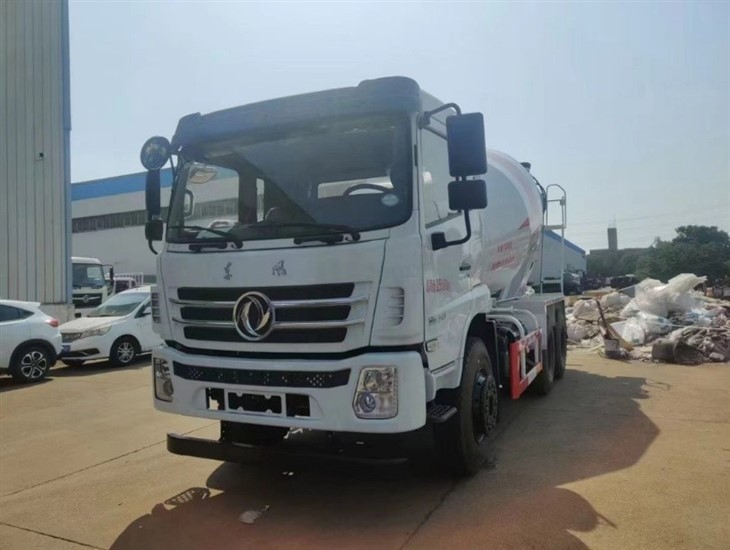
We're also looking into alternative fuel options for our concrete mixer trucks. Electric and hybrid models are becoming more and more popular, and they offer a much cleaner alternative to traditional diesel - powered trucks. Electric trucks produce zero tailpipe emissions, which means they don't release any pollutants directly into the air. Hybrid trucks, on the other hand, combine an electric motor with a conventional engine, allowing for reduced fuel consumption and emissions.
As a supplier, we're committed to doing our part to reduce the air pollution from our concrete mixer trucks. We believe that it's not only our responsibility to protect the environment but also to meet the growing demand from our customers for more sustainable products. That's why we're constantly investing in research and development to improve the environmental performance of our trucks.
If you're in the market for a concrete mixer truck, you might want to check out our Concrete Agi Truck. It's one of our latest models, and it comes with all the latest emission control technologies to ensure that it's as clean as possible. Whether you're a small construction company or a large contractor, we have a wide range of options to meet your needs.
We understand that choosing the right concrete mixer truck is an important decision, and we're here to help you make the best choice. If you have any questions or if you'd like to learn more about our products, please don't hesitate to reach out to us. We'd be more than happy to have a chat with you about your requirements and how we can provide you with a solution that's not only cost - effective but also environmentally friendly.
In conclusion, the air pollution situation of concrete mixer trucks is a complex issue, but there are definitely steps being taken to address it. With the right technologies and operational practices, we can significantly reduce the environmental impact of these trucks. And as a supplier, we're dedicated to leading the way in providing sustainable solutions for the construction industry. So, if you're interested in learning more about our concrete mixer trucks and how they can help you reduce your carbon footprint, get in touch with us today!
References
- "Air Quality and Emissions from Heavy - Duty Diesel Vehicles." Environmental Protection Agency.
- "Health Effects of Particulate Matter." World Health Organization.
- "Reducing Emissions from Construction Equipment." Construction Industry Institute.


