


Hey there! I'm a supplier of concrete mixer trucks, and today I wanna chat about the mixing quality standard for these awesome machines.
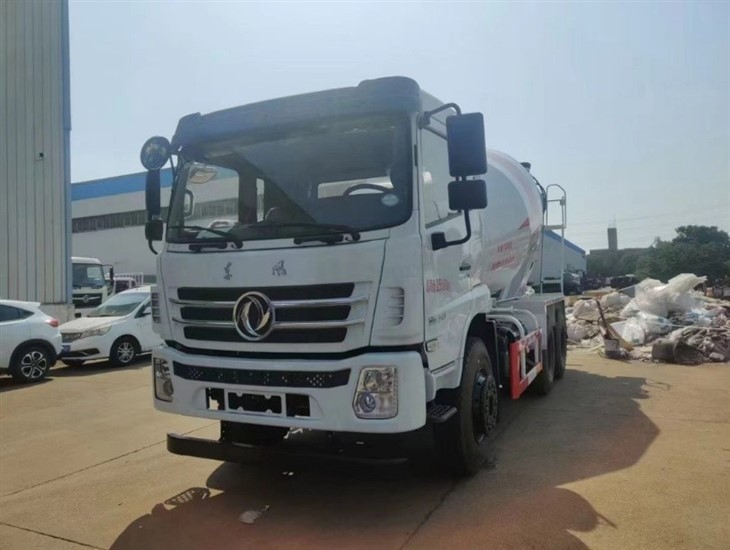
Let's start with the basics. A concrete mixer truck is like a mobile factory on wheels, churning out fresh concrete wherever it goes. But for that concrete to be any good, it has to meet certain mixing quality standards.
Why Mixing Quality Matters
First off, why do we even care about mixing quality? Well, high - quality mixed concrete is the backbone of any construction project. If the concrete isn't mixed properly, it can lead to all sorts of problems. For example, the concrete might not have the right strength. That means the building or structure you're constructing could be at risk of cracking or even collapsing over time.

Another issue is workability. If the concrete isn't mixed well, it might be too stiff or too runny. A stiff mix won't flow easily into the forms, making it hard to shape and finish. On the other hand, a runny mix can cause segregation, where the aggregates and cement separate, leading to an uneven and weak final product.
Key Factors Affecting Mixing Quality
1. Mixing Time
One of the most important factors is mixing time. You can't just throw all the ingredients into the mixer and expect perfect concrete in a few seconds. Generally, the longer the mixing time, the more uniform the concrete will be. But there's a balance to strike. If you mix for too long, the concrete can start to lose its workability and even set prematurely.
Most industry standards recommend a minimum mixing time of around 70 to 90 revolutions of the mixer drum. This ensures that the cement, aggregates, and water are thoroughly combined. However, the exact time can vary depending on the type of mixer, the size of the drum, and the specific concrete mix design.
2. Rotation Speed
The rotation speed of the mixer drum also plays a crucial role. A slow rotation might not provide enough energy to properly blend the ingredients, while a very fast rotation can cause the concrete to splash out or create a lot of air bubbles.
Typically, the rotation speed of a concrete mixer truck drum is set between 2 to 6 revolutions per minute during transit. This speed helps keep the concrete in a homogeneous state without causing any major issues. When it's time to discharge the concrete, the rotation speed can be increased slightly to ensure a smooth and quick flow.
3. Ingredient Proportions
Getting the right proportions of cement, aggregates, water, and additives is essential. If you use too much water, the concrete will be weak and prone to cracking. Too little water, and it won't be workable.
The water - cement ratio is a critical factor. A lower water - cement ratio generally results in stronger concrete, but it also makes the mix less workable. So, you need to find the sweet spot based on the requirements of your project.
For aggregates, the size, shape, and gradation matter. Well - graded aggregates with a good mix of different sizes will fill the voids in the concrete more effectively, leading to a denser and stronger product.
Testing the Mixing Quality
So, how do we know if the concrete in our mixer truck meets the quality standards? There are several tests that can be done.
Slump Test
The slump test is one of the most common ways to check the workability of concrete. It involves filling a cone - shaped mold with the freshly mixed concrete, then removing the mold and measuring how much the concrete slumps. A higher slump indicates a more workable mix, while a lower slump means a stiffer mix.
The acceptable slump values depend on the type of construction. For example, for general building construction, a slump of 3 to 6 inches is often considered appropriate. For concrete that needs to be pumped, a higher slump of 6 to 8 inches might be required.
Compressive Strength Test
The compressive strength test is used to determine the strength of the concrete. Cubes or cylinders of concrete are cast and cured for a specific period (usually 7 or 28 days). Then, they are placed in a testing machine and loaded until they fail.
The minimum compressive strength requirements are specified by building codes and project specifications. For most residential and commercial buildings, the compressive strength of concrete at 28 days should be at least 2500 to 3000 pounds per square inch (psi).
Our Concrete Mixer Trucks and Quality Assurance
As a supplier of Concrete Agi Truck, we take mixing quality very seriously. Our trucks are designed with state - of - the - art technology to ensure that the concrete is mixed to the highest standards.
We use high - quality materials in the construction of our mixer drums, which are built to withstand the harsh conditions of concrete mixing. The drums are also equipped with efficient mixing blades that help in achieving a uniform mix.
In addition, we provide training and support to our customers on how to operate the mixer trucks properly. This includes guidelines on mixing time, rotation speed, and ingredient proportions. We also offer after - sales service to ensure that any issues with the trucks are quickly resolved.
Contact Us for Your Concrete Mixer Truck Needs
If you're in the market for a reliable concrete mixer truck, look no further. Our trucks are designed to meet the strictest mixing quality standards, ensuring that you get the best - quality concrete for your construction projects.
Whether you're working on a small residential building or a large commercial development, we have the right mixer truck for you. Contact us today to discuss your requirements and let's start a great business partnership.
References
- ACI 318 - Building Code Requirements for Structural Concrete
- ASTM C143 - Standard Test Method for Slump of Hydraulic - Cement Concrete
- PCA - Portland Cement Association, Design and Control of Concrete Mixtures


