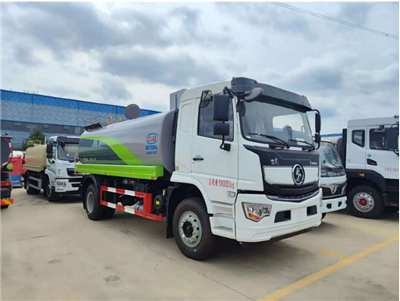
In the construction industry, concrete mixer trucks play a pivotal role in transporting ready - mixed concrete from batching plants to construction sites. However, these vehicles are notorious for their high fuel consumption, which not only adds to operational costs but also has environmental implications. As a concrete mixer truck supplier, I understand the concerns of our customers regarding fuel efficiency. In this blog, I will share some practical strategies on how to reduce the fuel consumption of a concrete mixer truck.
1. Vehicle Selection and Maintenance
Right Truck for the Job
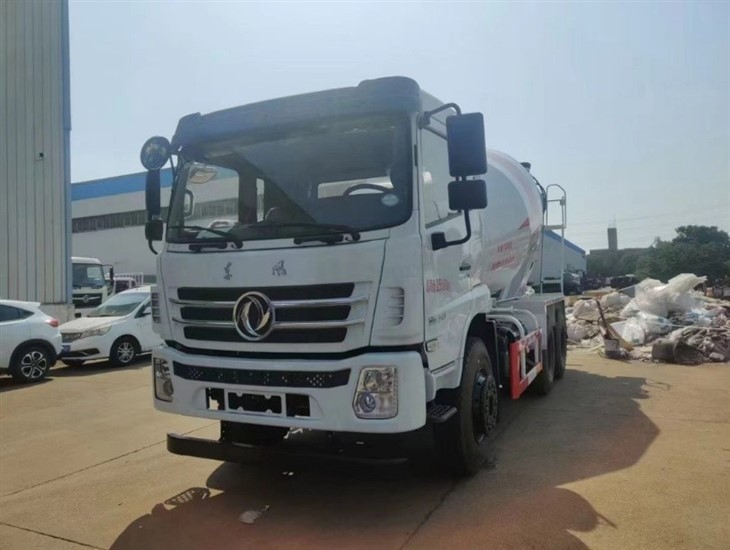
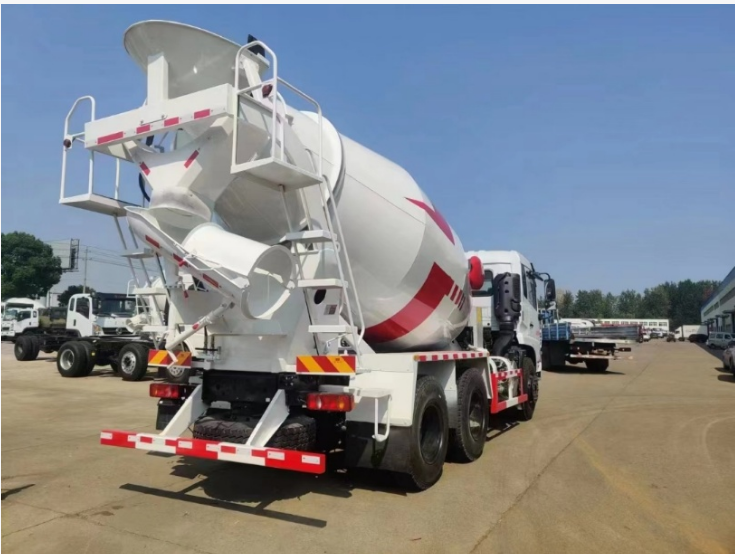
Selecting the appropriate concrete mixer truck for your specific needs is the first step in reducing fuel consumption. Different models have varying engine capacities, payloads, and fuel efficiency ratings. For instance, the Concrete Agi Truck is designed with advanced engine technology that optimizes fuel combustion. It has a lightweight yet durable structure, which means less energy is required to move the vehicle. Similarly, the Dongfeng D17 Engineering Mixer Truck is engineered to balance power and fuel economy, making it suitable for a wide range of construction projects.
Regular Maintenance
Proper and regular maintenance is crucial for keeping the truck in optimal condition. A well - maintained engine runs more efficiently, thus consuming less fuel. Here are some key maintenance tasks:
- Engine Tuning: Regular engine tuning ensures that the engine is operating at its peak performance. This includes checking and adjusting the ignition timing, fuel injection system, and air - fuel mixture. A misfiring engine can waste a significant amount of fuel.
- Tire Pressure: Under - inflated tires increase rolling resistance, which forces the engine to work harder and consume more fuel. Check the tire pressure at least once a week and keep it at the recommended level.
- Air Filter Replacement: A clogged air filter restricts the airflow to the engine, causing it to burn more fuel to compensate for the lack of oxygen. Replace the air filter according to the manufacturer's recommendations.
2. Driving Techniques
Smooth Acceleration and Deceleration
Aggressive driving, such as rapid acceleration and hard braking, can significantly increase fuel consumption. When accelerating, gradually press the accelerator pedal to allow the engine to build up power smoothly. Similarly, anticipate stops and start braking early to avoid sudden stops. This not only saves fuel but also reduces wear and tear on the brakes.
Maintain a Steady Speed
Driving at a consistent speed is one of the most effective ways to reduce fuel consumption. Most concrete mixer trucks have an optimal speed range where they achieve the best fuel efficiency. Generally, driving at a moderate and steady speed on highways can save up to 20% of fuel compared to stop - and - go driving in urban areas. Use cruise control when possible to maintain a constant speed.
Avoid Idling
Idling for extended periods is a major culprit of wasted fuel. If the truck is going to be stationary for more than a minute, it is more fuel - efficient to turn off the engine. For example, when waiting at a construction site or in traffic, turning off the engine can prevent unnecessary fuel consumption.
3. Load Management
Optimize Payload
Overloading a concrete mixer truck not only poses safety risks but also increases fuel consumption. The engine has to work harder to move the extra weight. On the other hand, under - loading can also be inefficient as the truck is still consuming fuel to operate. Calculate the optimal payload based on the project requirements and the truck's capacity.
Mixing Efficiency
The way concrete is mixed in the truck can also affect fuel consumption. Ensure that the mixing process is efficient. Over - mixing can consume additional power from the truck's engine. Use the appropriate mixing speed and time as recommended by the concrete supplier and the truck manufacturer.
4. Route Planning
Choose the Shortest and Smoothest Routes
Planning the most efficient routes can save a significant amount of fuel. Use GPS navigation systems that can provide real - time traffic information and suggest the shortest and least congested routes. Avoid routes with a lot of traffic lights, stop - signs, and hilly terrains, as these conditions require more frequent acceleration and deceleration.
Consider Traffic Patterns
Take into account the traffic patterns at different times of the day. For example, avoid peak traffic hours if possible. If you know that a particular route is usually congested during certain hours, plan your trips accordingly to minimize idle time in traffic.
5. Aerodynamics
Reduce Drag
Concrete mixer trucks have a large and boxy shape, which creates a lot of aerodynamic drag. Although it is difficult to change the basic design of the truck, there are some measures that can be taken to reduce drag:
- Clean the Truck: A dirty truck has a rougher surface, which increases drag. Regularly wash the truck to keep the surface smooth.
- Remove Unnecessary Accessories: Remove any unnecessary accessories or equipment that are mounted on the outside of the truck. These can disrupt the airflow and increase drag.
6. Training for Drivers
Driver Training Programs
Provide comprehensive training programs for drivers on fuel - efficient driving techniques. These programs should cover all the aspects mentioned above, including smooth driving, load management, and route planning. Drivers are the ones operating the trucks on a daily basis, so their awareness and skills can have a significant impact on fuel consumption.
Incentive Programs
Implement incentive programs for drivers who achieve low fuel consumption. This can motivate drivers to adopt fuel - efficient driving habits and contribute to overall cost savings for the company.
Conclusion
Reducing the fuel consumption of a concrete mixer truck is a multi - faceted approach that involves vehicle selection, maintenance, driving techniques, load management, route planning, aerodynamics, and driver training. As a concrete mixer truck supplier, we are committed to providing our customers with high - quality trucks that are designed with fuel efficiency in mind. By implementing these strategies, construction companies can not only save on fuel costs but also reduce their environmental footprint.
If you are interested in learning more about our concrete mixer trucks or want to discuss how to further optimize fuel consumption for your operations, please feel free to contact us for a procurement discussion. We look forward to working with you to find the best solutions for your construction needs.
References
- SAE International. "Fuel Efficiency Best Practices for Heavy - Duty Trucks".
- Federal Highway Administration. "Truck Fuel Efficiency Research and Development".
- Construction Equipment Guide. "Tips for Improving Fuel Efficiency in Concrete Mixer Trucks".